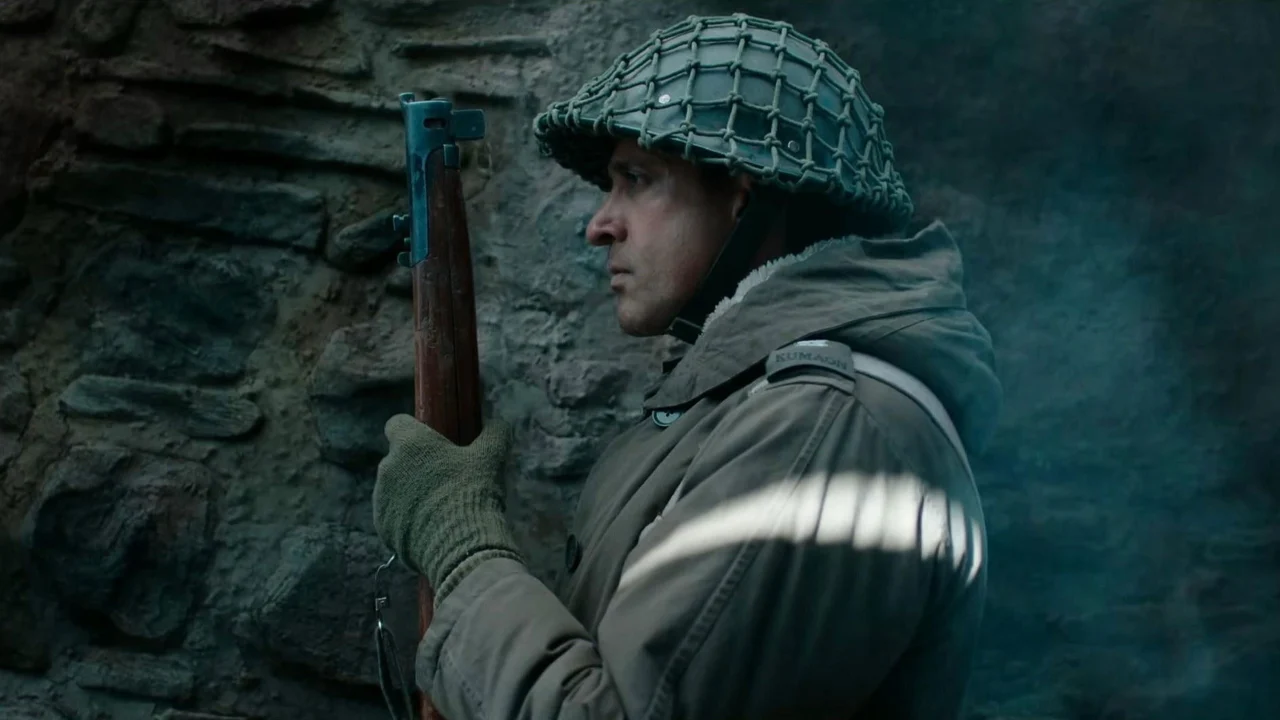
120 Bahadur (2026): Why Farhan’s Quietest Performance Hits the Hardest
After staying away from films for nearly four years, Farhan Akhtar picks a difficult subject for his return—120 Bahadur. This war drama directed by Razneesh Ghai takes us back to November 1962, when 120 Indian soldiers faced thousands of Chinese troops in Ladakh’s frozen mountains.
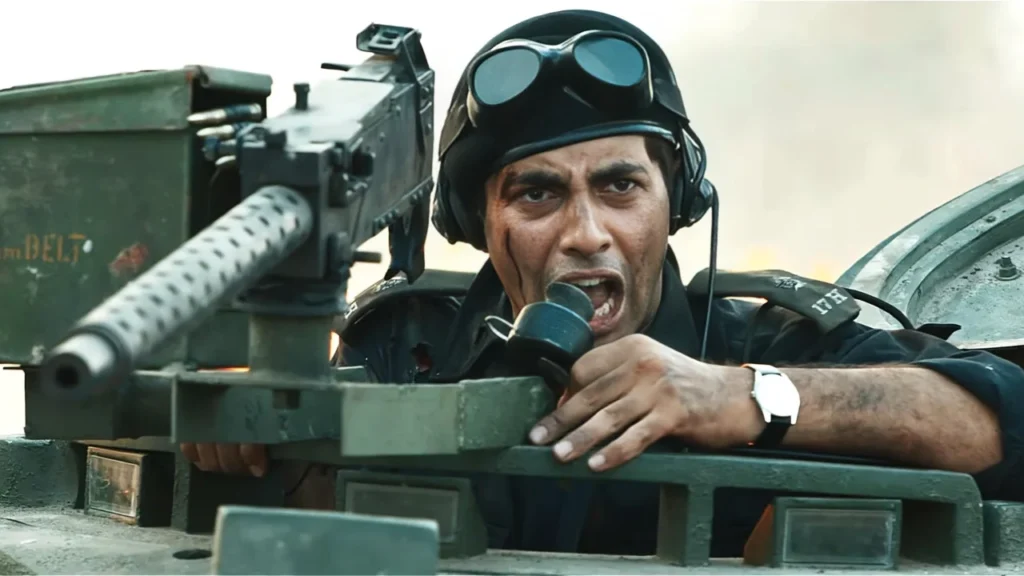
The film brings together Akhtar as Major Shaitan Singh Bhati, Raashii Khanna in a brief role as his wife, and newcomer Sparsh Walia as a radio operator. Released on November 21, 2025, matching the battle’s 63rd anniversary, this Excel Entertainment project tries to tell a story most Indians have never heard about.
What Happens in the Film
We see everything through young Ramchander Yadav’s eyes, the only man who walked away alive. It’s October 1962. Chinese forces are pushing into Ladakh, heading straight for the Chushul airstrip. Major Bhati’s Charlie Company sits at Rezang La, right in the path of this invasion.
When scouts spot 3,000 enemy soldiers marching toward them, headquarters tells the Major to pull back. His response changes everything—he refuses to leave. He makes it clear that his 120 men will hold that position, fully aware they’re choosing death over retreat.
The movie gives us two different feels. First, we get to know the soldiers, their daily routines, small jokes, thoughts of home. We even see brief moments of Major Bhati’s family life. Then everything shifts. The second half throws us into brutal combat where these men face numbers they simply cannot beat.
What struck me was the honesty. The film doesn’t pretend war is glorious. These soldiers made a choice knowing exactly what would happen. That heaviness sits with you. The story follows official military records closely. But honestly, the first hour moves too slowly.
The Performances That Matter
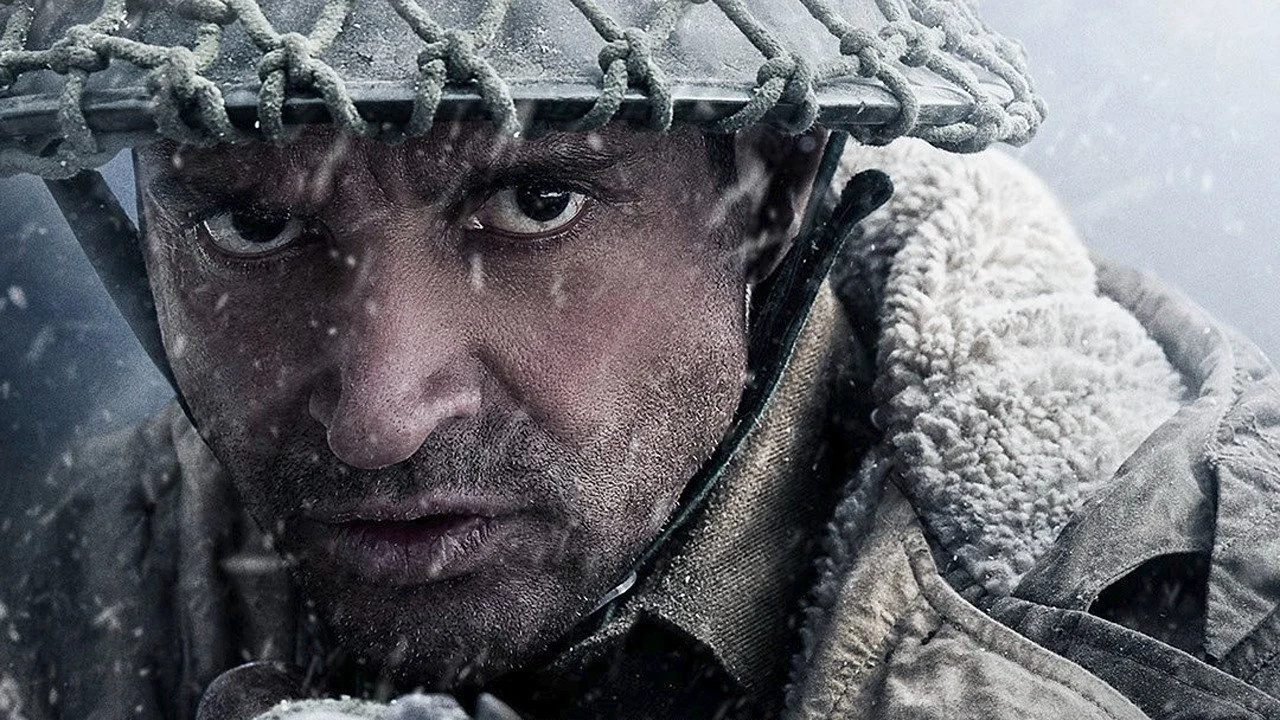
Farhan Akhtar understands what this role needs. He doesn’t raise his voice or give big speeches. Instead, there’s this calm authority in how he carries himself. Watch his eyes—they tell you everything about the burden of command. Shooting this at 14,000 feet in freezing cold while struggling to breathe must have been torture, but it doesn’t show on screen.
Sparsh Walia walks into his first film and holds his own. That’s not easy when you’re sharing screen space with veterans. His character matters because he becomes the bridge between what happened and what the world remembers. He plays it with real feeling.
Raashii Khanna appears in just a few scenes, but she uses them well. Vivan Bhatena, Eijaz Khan, and Ajinkya Deo bring the military discipline you’d expect from their officer roles. The soldiers, mostly first-timers, trained hard for six months and it’s visible in every frame.
The Strong Points
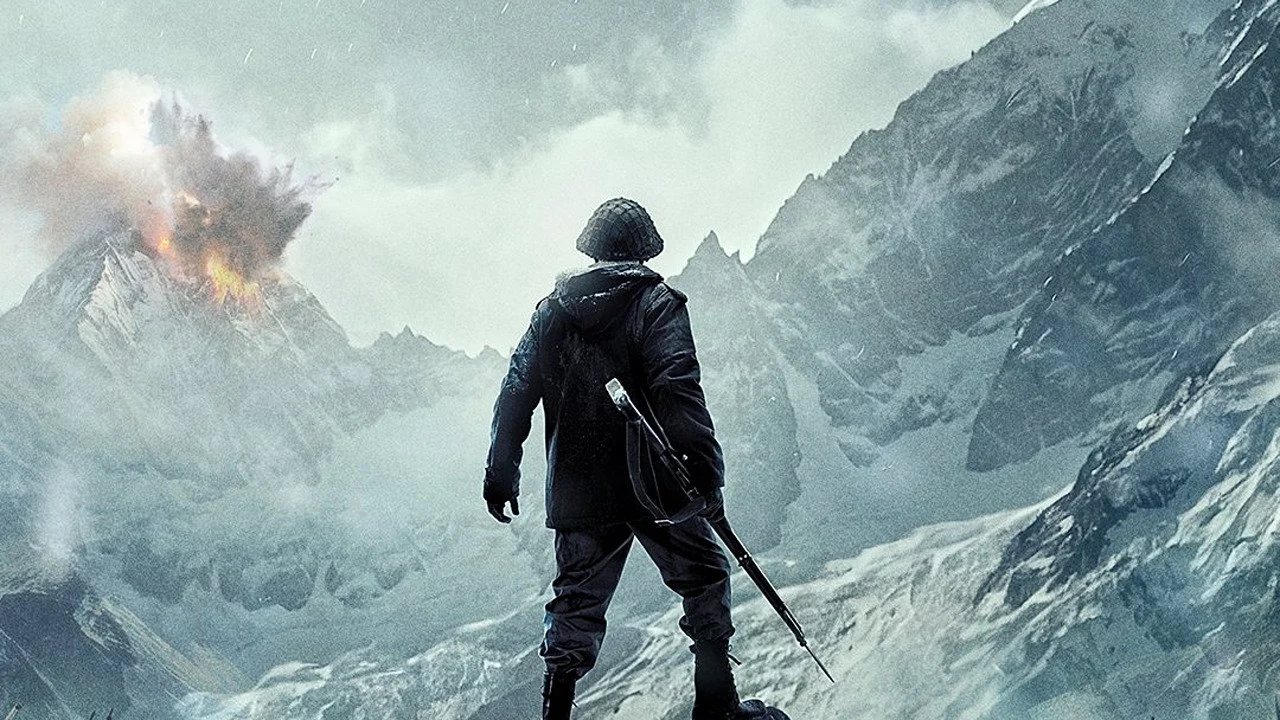
Let’s talk about how this film looks. Tetsuo Nagata’s camera work captures Ladakh like we’ve rarely seen before. No green screens here—they actually went to those mountains and filmed in brutal conditions with the Army’s support. You feel the cold, the altitude, the isolation. It becomes part of why this story matters.
The battle planning shows real thought. Ghai knows how soldiers actually fight, and that knowledge shapes the action. Combat feels grounded. The fistfights work because they’re not flashy—they’re desperate and raw. That makes them hit harder.
I appreciated the restraint too. The film could have gone overboard with emotion, but it doesn’t. It respects the real men who died there. Satish Raghunathan’s music supports scenes without drowning them. That balance is hard to achieve.
Where Problems Show Up
The opening hour needs serious trimming. Too many scenes just sit there without building anything. I found myself waiting for the film to find its rhythm. Many people I know felt the same watching it. Better editing would have helped a lot.
Then there are the songs. Why? They pop up and pull you right out of the story. That romantic track about married life especially feels wrong in a war film. These feel like box-ticking exercises rather than organic parts of the narrative.
Some battle moments don’t add up. Officers standing where snipers can easily shoot them, enemy soldiers walking in neat lines toward machine guns—these things break the realism the film works hard to build elsewhere. The lighting during combat sometimes looks too perfect, like someone set up studio lights on a war zone.
How Critics and Audiences Reacted
Hindustan Times gave it 3 stars, praising Farhan and the visuals but finding the emotional connect missing. India TV appreciated the tribute but wanted more intensity. Deccan Herald went higher with 4 stars for the pacing and camera work.
India Today landed at 3 stars, pointing out how emotional beats and action don’t gel properly. On Rotten Tomatoes, 73% of critics recommended it. The common thread? Technically solid, respectful, but not the masterpiece it could have been.
Regular audiences tell a different story though. People connect with it emotionally in ways critics didn’t. Many called this Farhan’s finest work. The visuals blow people away. Theaters are seeing tears and silence. For viewers learning about Rezang La for the first time, this hits differently—it’s education wrapped in cinema.
My Take
120 Bahadur gives forgotten heroes the screen tribute they deserved. It doesn’t manipulate your emotions cheaply or make war look cool. Farhan leads with quiet power that stays with you. The decision to shoot in actual Ladakh locations instead of comfortable studios pays off massively.
The battle sequences work when they focus on tactics and survival. For people who don’t know this history, the film opens a window into sacrifice that shaped our borders. That value alone makes it worth watching, even with its flaws.
Rating: 3.5/5