Avatar 3 (2025): What Works and What Doesn’t in Cameron’s Latest Epic
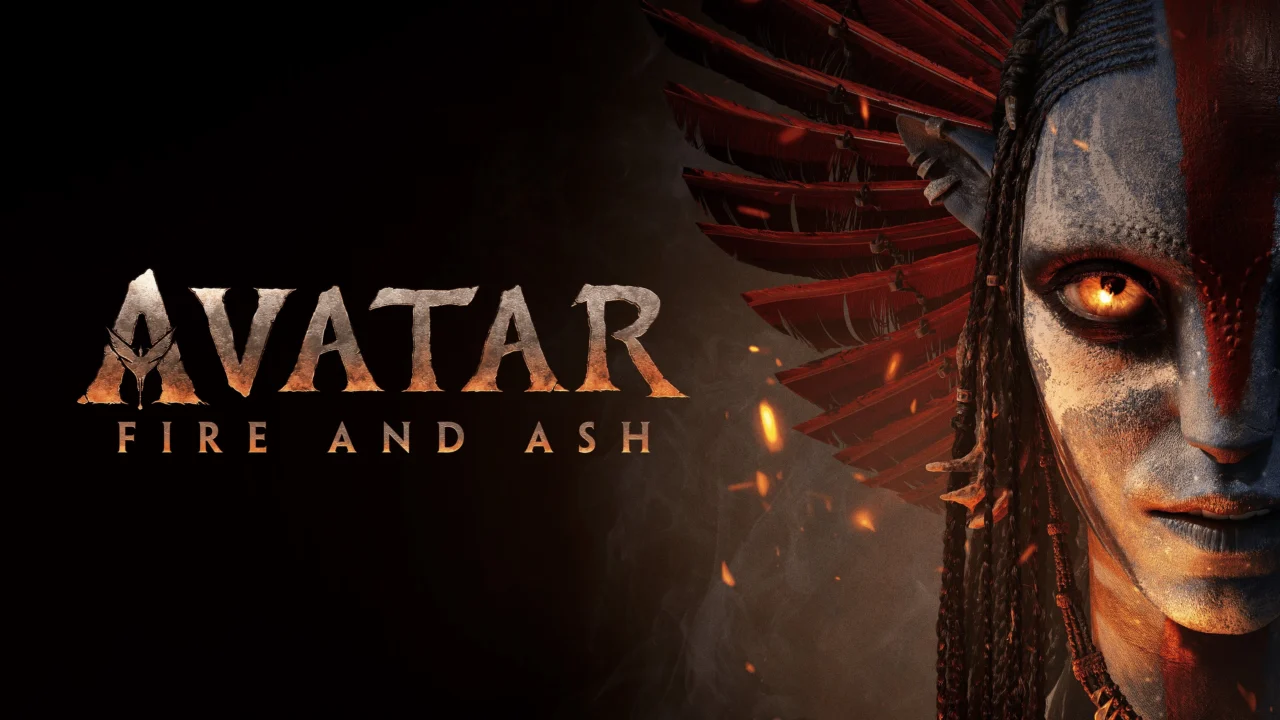
James Cameron’s third trip to Pandora arrives in December 2025, with Zoe Saldaña, Sam Worthington, and Sigourney Weaver leading the charge. Fire and Ash shifts focus from ocean depths to volcanic heights, introducing a culture that’s learned to survive among fire and ash.
The production cost reportedly crossed $400 million, with Cameron doubling down on technology that blurs the line between animation and live action. Kate Winslet returns alongside newcomers Oona Chaplin and David Thewlis, filling out a cast that’s expected to carry both emotional weight and spectacle.
What Happens This Time
The Sully family ventures into regions where fire shapes everything. The Ash People live differently than any tribe we’ve seen, their entire existence built around volcanic landscapes that would kill most other Na’vi. It’s a smart contrast that makes Pandora feel genuinely massive.
Jake and Neytiri’s troubles continue after the previous film’s events. Their kids face dangers from this new tribe, whose connection to fire makes them unpredictable. The family’s trying to stay together while external forces keep pulling them apart.
Acting Through Technology
Saldaña carries real intensity as Neytiri. I was struck by how she balances fierce protectiveness with the exhaustion of someone who’s been fighting too long. Motion-capture lets her bring nuance that CGI alone couldn’t achieve.
Worthington plays Jake as someone carrying visible scars from leadership. You can see the weight in how he moves and speaks. Weaver doing a teenage role sounds odd until you watch it work, her performance as Kiri tapping into something mystical that grounds the stranger elements of Pandora’s mythology.

What Works
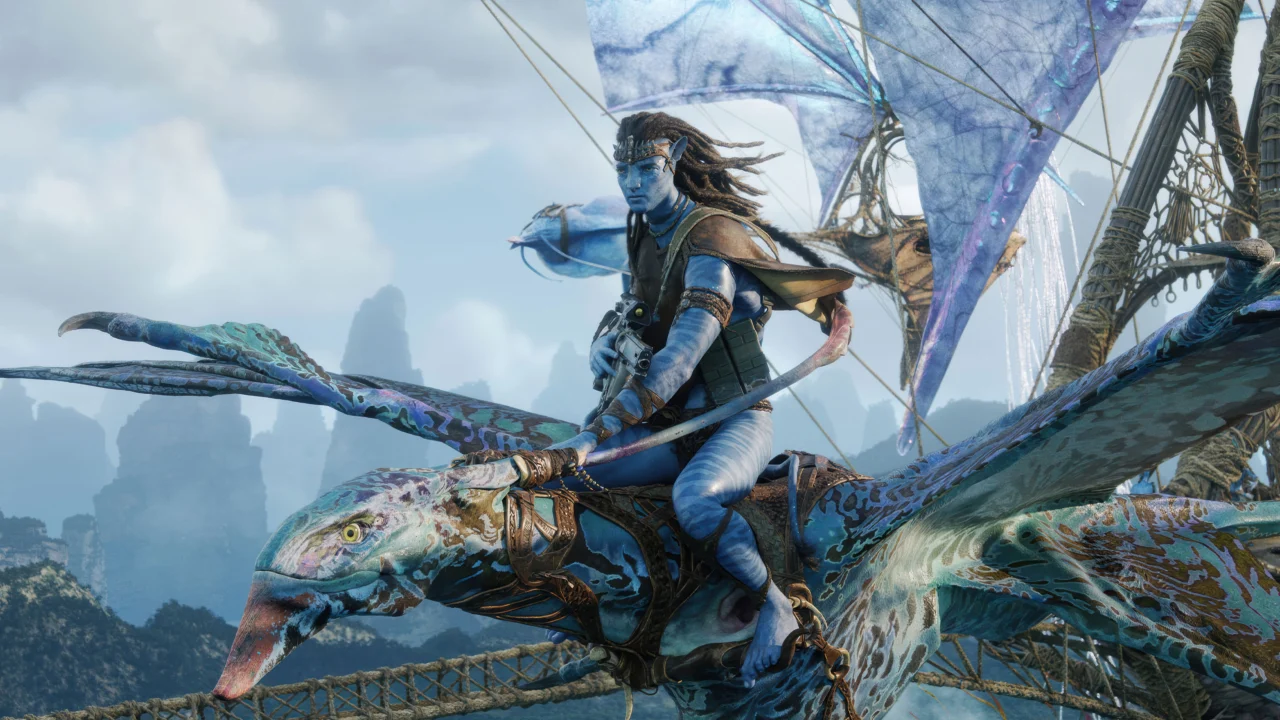
The volcanic world looks incredible. Lava flows, ash storms, and creatures adapted to extreme heat create visuals that feel genuinely alien. Cameron’s team figured out how to make fire and ash interact with light in ways I haven’t seen before.
The Ash People aren’t just window dressing. Their culture reflects their environment in ways that make sense. Fire destroys but also renews, and that philosophy runs through everything they do. It’s world-building that respects intelligence in the audience.
What Doesn’t Quite Land
Three-plus hours is a commitment. The second film sometimes spun its wheels showing off underwater footage. This one needs tighter editing to keep volcanic exploration from turning into a screensaver, no matter how pretty.
We’ve heard the environmental message twice already. Finding new angles on these themes would help. Otherwise, it’s just the same conversation in a different location, which undermines the effort put into creating fresh settings.
How It’s Tracking
Reviews won’t drop until closer to release. The first film scored 81% with critics, the second got 76%. Cameron’s earned trust for technical execution even when story beats feel familiar.
Trade publications sound cautiously excited. Audience interest remains massive based on trailer numbers and social chatter. People want to see what Cameron does with fire after nailing water, and early footage suggests he’s figured it out.
Bottom Line
Fire and Ash represents Cameron at his most ambitious. The technical side will be talked about for years. Story concerns exist around length and repetition, but the combination of jaw-dropping visuals and committed performances should overcome those weaknesses.
Volcanic Pandora expands this world in meaningful ways. The actors sell the emotion despite the digital layers. Whether you’re already invested or curious about the hype, this delivers spectacle that reminds you why theaters still matter.
Rating: 4 out of 5