Dhurandhar (2025): When Bollywood Spy Thrillers Get Serious for Better and Worse
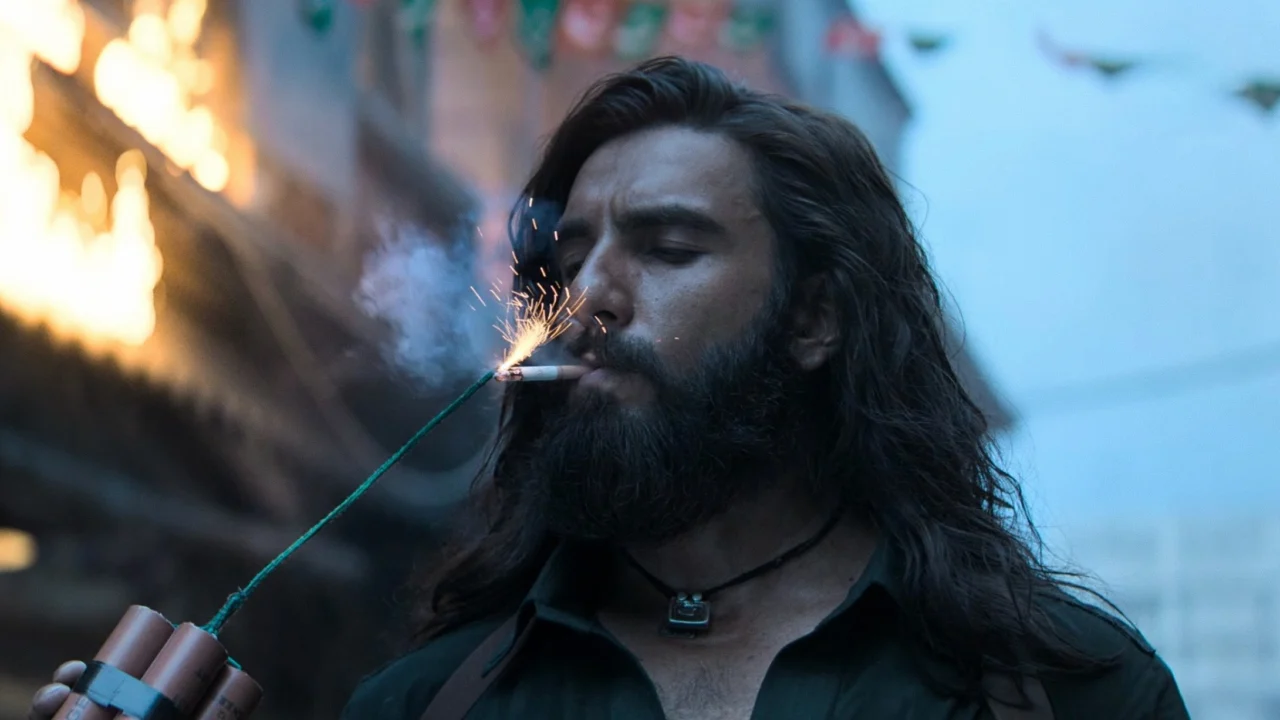
When Ranveer Singh walked into theaters with Dhurandhar on December 5, 2025, nobody expected him to be this quiet. The guy who usually bounces off walls has turned into something completely different here. Director Aditya Dhar reunites his Uri team with a much darker, grittier story that pulls from real terror attacks and covert missions. The cast reads like a who’s who of Bollywood—Akshaye Khanna, Sanjay Dutt, R. Madhavan, Arjun Rampal—but this isn’t your typical star vehicle.
Fair warning: this thing runs 214 minutes. That’s almost four hours in a theater seat, and it’s only Part 1. Whether that’s bold filmmaking or asking too much depends entirely on your tolerance for slow-burn espionage. Dhar clearly wants to build something massive here, but does he pull it off?
Getting Into Enemy Territory
The film drops you into Hamza’s world—a young guy trained to become a ghost in Karachi’s criminal underground. After IC-814 and the Parliament attacks, India’s intelligence bureau decides they need someone inside Pakistan’s mafia network. So they take a kid from Punjab with a revenge streak and mold him into their weapon.
What struck me most was how unglamorous they make the spy life look. Hamza isn’t James Bond sipping martinis. He’s constantly looking over his shoulder, lying to everyone, and wondering if today’s the day his cover gets blown. The film breaks into chapters, giving each phase of his infiltration its own space to breathe.
This approach works when the tension is tight. Watching Hamza navigate gang politics while feeding information back home kept me engaged. But the second half loses steam. Scenes stretch longer than they should, and I found myself checking my watch. Since everything’s building toward Part 2, major questions go unanswered. After three-plus hours, leaving without closure stings.
The connection to real events adds weight but also controversy. They recreate the 26/11 attacks with disturbing realism—it genuinely angered me watching it. But mixing these actual tragedies with fictional heroics walks a fine line between tribute and exploitation.
The Actors Bring Their Best
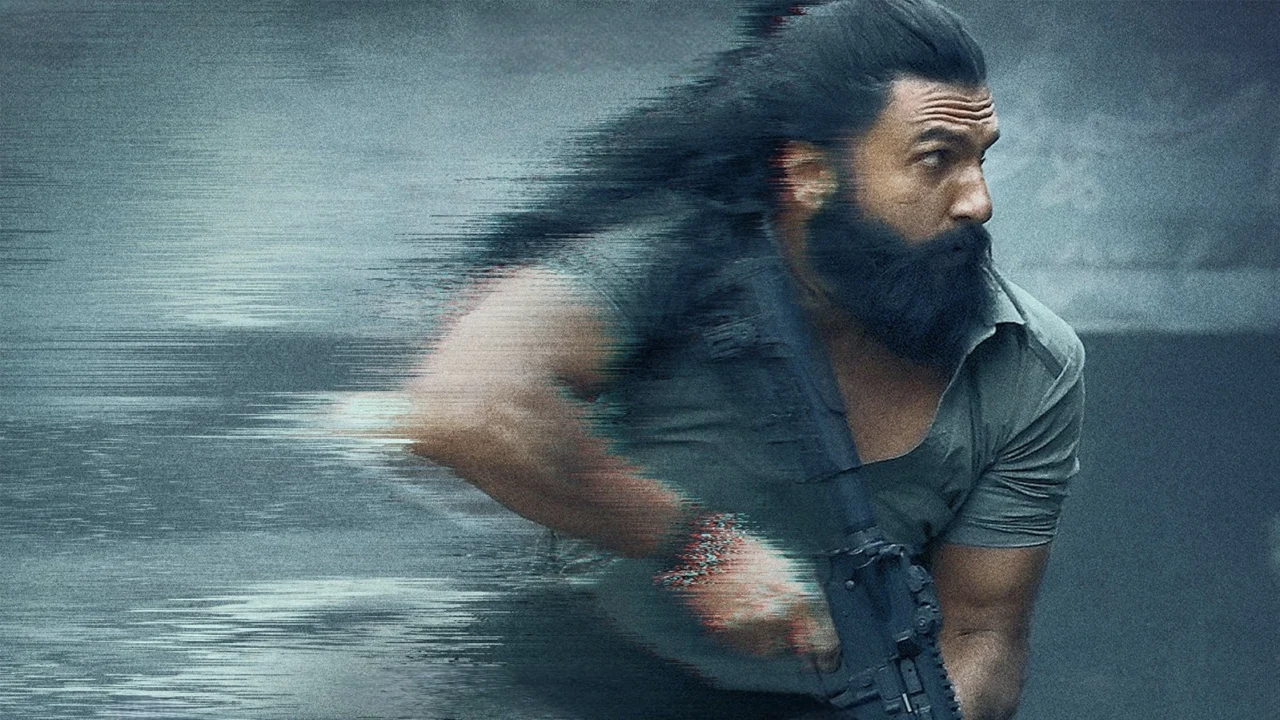
I’ll be honest—Ranveer impressed me here more than any of his previous films. He doesn’t showboat or chew scenery. Instead, he goes quiet, letting his eyes do the talking. There’s a scene where he breaks down that felt completely real. This restrained Ranveer is someone I want to see more of.
Akshaye Khanna though? He’s the real discovery here. Every time he appears on screen, the temperature drops. His villain doesn’t need dialogue to be terrifying—just that cold stare and slow walk. The internet’s already turned him into memes, but jokes aside, his performance elevates every scene he’s in.
Sanjay Dutt pops up in the middle to shake things up, and you feel his presence immediately. Madhavan plays the puppet master convincingly, making you believe he could orchestrate this entire operation. Arjun Rampal gets less time but makes himself memorable as an ISI officer who’s clearly dangerous.
The weak link is Sara Arjun’s character. Not her fault—the writing gives her nothing to work with. She’s the politician’s daughter who falls for the bad boy, and it feels as generic as it sounds. The romance angle drags the film down rather than adding emotional stakes.
When It Clicks
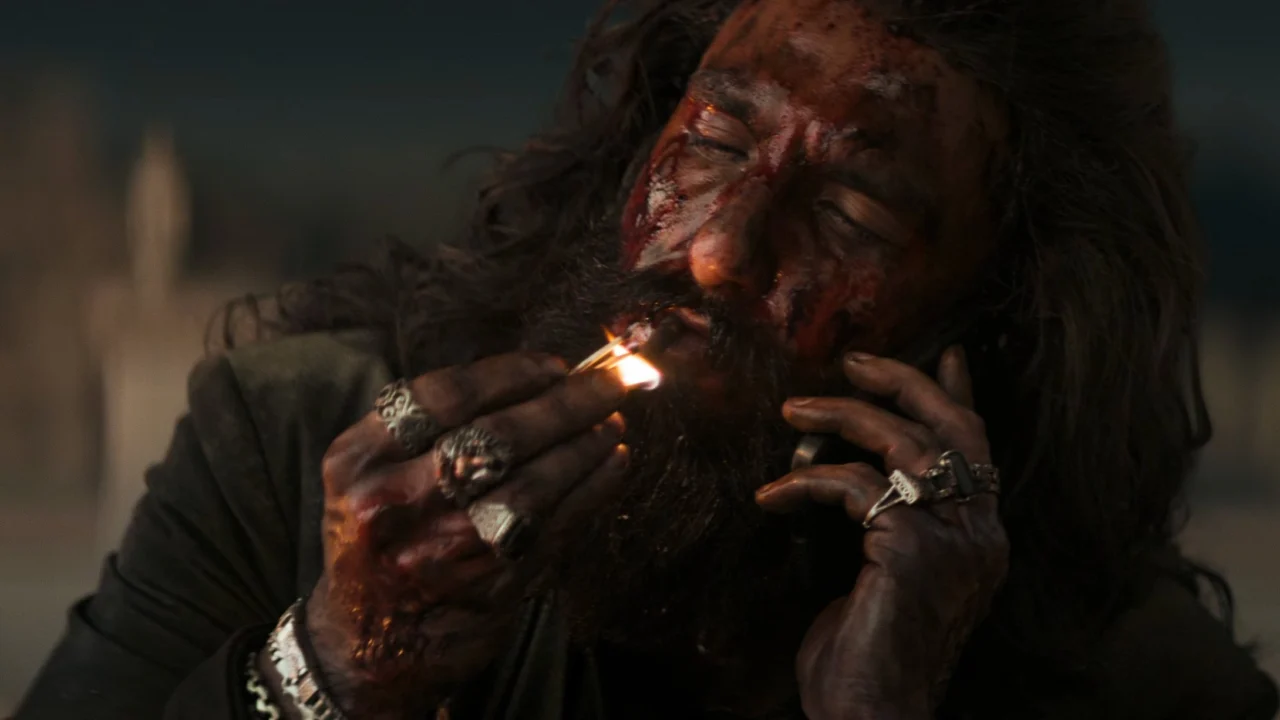
The visuals are stunning. Cinematographer Vikash Nowlakha shoots Karachi’s alleys and hideouts with this shadowy, paranoid style that kept me on edge. The color palette—lots of grays, blacks, muted tones—matches the mood perfectly. Nothing looks sanitized or Bollywood-glossy. It feels dirty and real.
Dhar’s direction shows confidence. The way he structures scenes, the text overlays highlighting key information, even using real audio recordings of terrorist communications—these choices make the film feel distinct. He’s clearly learned from his Uri success and applied those lessons on a bigger canvas.
Fight scenes hit hard. No wire work or CGI nonsense. When characters throw punches, you feel the impact. A motorcycle chase through narrow streets had me holding my breath. The violence can be brutal—this earned its A certificate for good reason—but it never feels gratuitous. It serves the story’s dark tone.
Shashwat Sachdev’s music deserves serious credit. The background score shifts perfectly between pulsing action beats and quiet, tense moments. Dropping old Bollywood classics into unexpected places was genius—it added this surreal quality that worked surprisingly well.
Where Problems Show Up
That runtime kills momentum. I get that building this world takes time, but did we need every single scene? The first half moves decently, but after the interval, things drag. People were shifting in their seats during the screening I attended. The interval itself comes at the two-hour mark, which feels way too late.
Making this Part 1 creates inherent problems. You’re essentially watching the first half of a much longer story. By the time credits roll, nothing’s really resolved. The cliffhanger setup for Part 2 is clear, but asking audiences to wait after investing four hours feels like a big ask. Some will appreciate the ambition; others will feel frustrated.
The romantic subplot never works. How this politician’s daughter keeps sneaking out and nobody notices feels ridiculous. Their chemistry doesn’t convince me either. This track needed either complete removal or a full rewrite because right now it’s the weakest element.
Women get a raw deal across the board. Every female character exists only in relation to male characters. Sara’s role is “the girlfriend.” Other women barely speak or appear just to die. In 2025, this feels really backward. The film had space to give these characters actual depth but chose not to.
Pakistani characters are painted with the broadest brush possible. They’re all crude, corrupt, or cruel while Indians are heroic and noble. Real espionage is messier than this black-and-white portrayal suggests. The nationalistic tone crosses into propaganda territory at times, which has drawn legitimate criticism.
What Everyone’s Saying
Critics split down the middle on this one. Bollywood Hungama gave it 3/5, acknowledging the craft while noting the length issues. Times of India went slightly higher at 3.5/5, focusing on Ranveer’s transformation. Rotten Tomatoes sits at 47% positive from critics, showing how divisive it’s been.
The technical side gets universal praise—the cinematography, action, direction, and performances. Complaints center on runtime, pacing, and whether mixing real tragedies with fictional narratives crosses ethical lines. Some reviewers called it outright propaganda disguised as entertainment.
Audiences tell a different story though. IMDb users rated it 8.6/10, indicating strong viewer approval. People kept saying they forgot about the length because the story gripped them. The performances, especially Ranveer and Akshaye, earned consistent praise. Viewers appreciated getting something different from typical Bollywood fare.
Beyond reviews, the film sparked real controversy. A line about Balochistan forced changes after legal pressure. Despite bans in Gulf countries, it became Pakistan’s most pirated film almost immediately. That speaks to both the curiosity it generated and the political sensitivity surrounding it.
My Final Take
Dhurandhar swings for the fences and mostly connects. Dhar assembled a technical masterclass with performances that match the ambition. Ranveer and Akshaye alone make this worth watching. The world-building is detailed, the action feels real, and when the film clicks, it’s genuinely gripping.
But that runtime and incomplete story hurt it. I appreciate the attempt at serious, grounded espionage cinema, but not every scene earns its place. The weak romantic subplot and poor treatment of female characters feel like missed opportunities. The heavy nationalistic slant will bother viewers looking for nuance.
Who should watch this? If you love spy thrillers, don’t mind lengthy runtimes, and want something darker than typical Bollywood offerings, give it a shot. Ranveer and Akshaye’s performances alone justify the ticket price. Just know you’re watching the first half of a longer story—Part 2 arrives in March 2026.
If you prefer tighter pacing, complete narratives, or lighter entertainment, this might test your patience. It demands commitment from viewers and doesn’t apologize for its length or darkness.
Rating: 4.5 out of 5