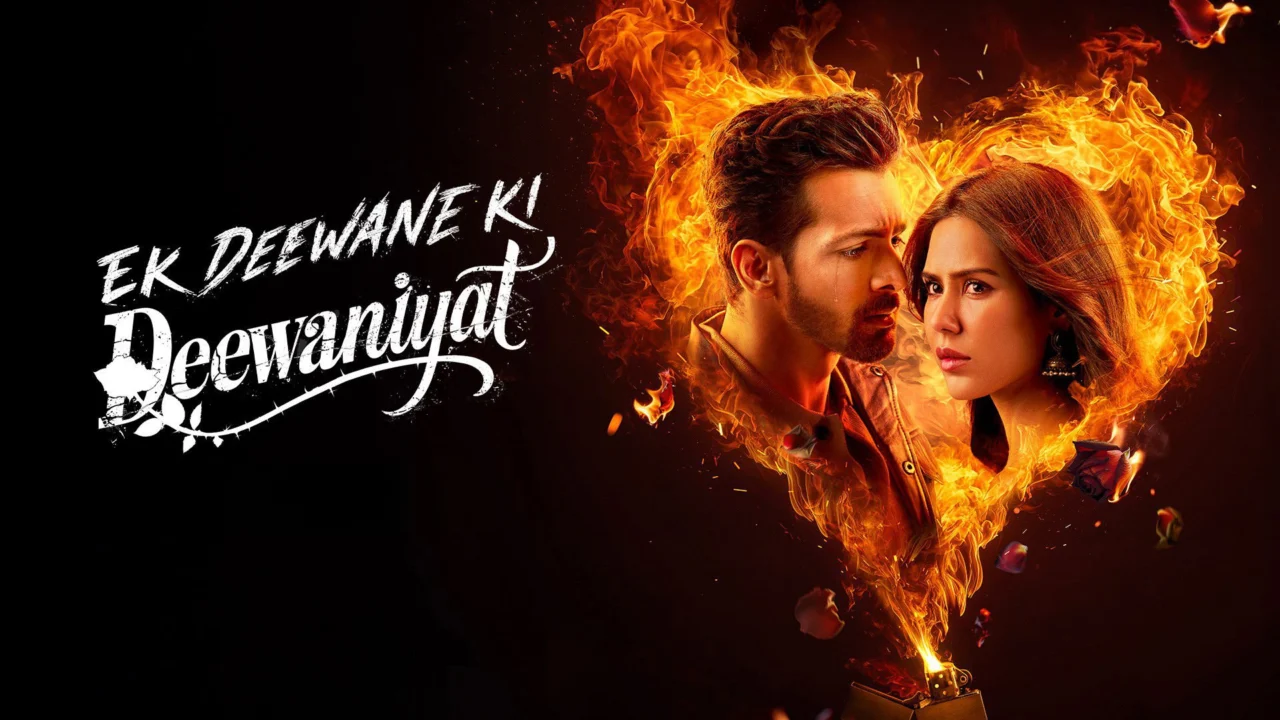
Ek Deewane Ki Deewaniyat (2026): When Passion Crosses Into Something Dangerous
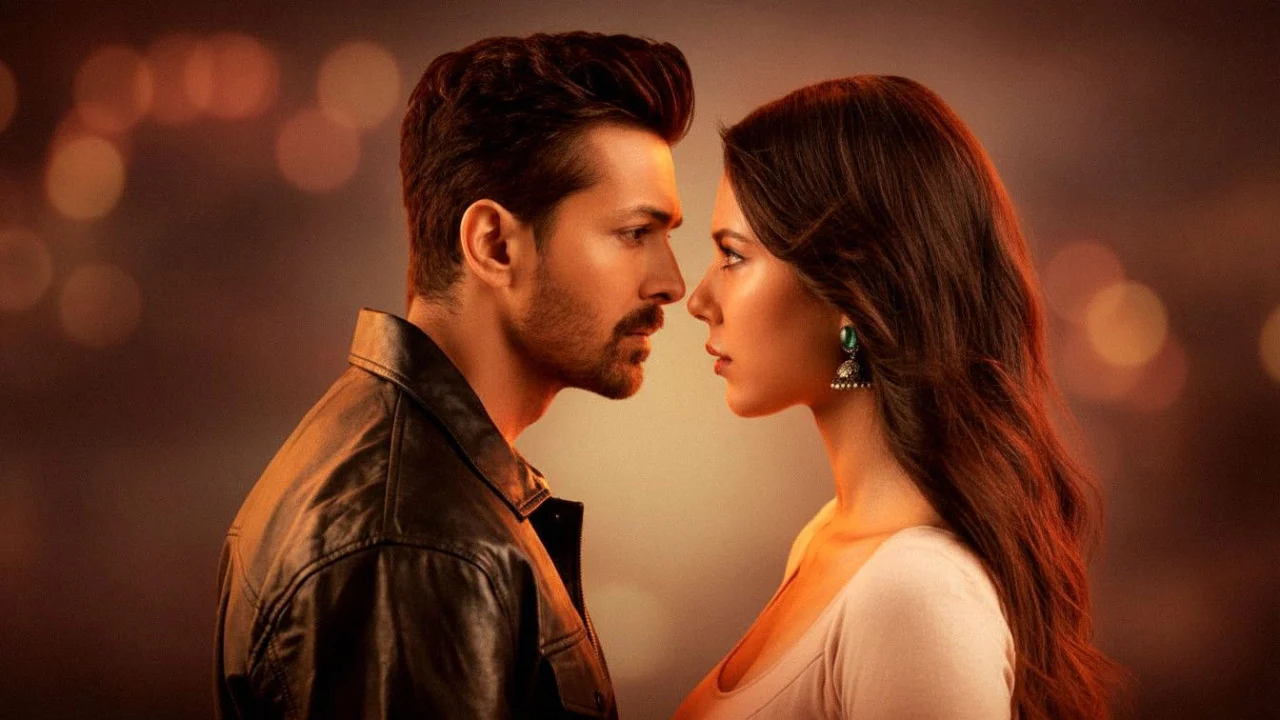
This Diwali brought us something unexpected – a romantic drama with an adult certificate, the first in decades for this festive season. Ek Deewane Ki Deewaniyat stars Harshvardhan Rane and Sonam Bajwa, directed by Milap Zaveri. The film arrived in theaters on October 21, 2025, with Shaad Randhawa, Sachin Khedekar, and Ananth Narayan Mahadevan rounding out the cast.
The story tackles uncomfortable territory – how affection can morph into something suffocating. Vikramaditya Bhonsle, a politician from a prominent family, meets film actress Adaa Randhawa and becomes consumed by feelings she doesn’t reciprocate. What follows is a tale about the damage that happens when someone refuses to hear “no.”
When Love Becomes Something Darker
Vikramaditya comes from power and privilege. During a public event, he locks eyes with Adaa, who has built her life around independence and self-determination. Their worlds collide, but not in the fairy-tale way he imagines.
She turns him down clearly. Instead of moving forward, he spirals backward. His mind begins playing tricks, convincing him that persistence equals devotion. I watched as the character descended from hopeful suitor to someone who couldn’t see past his own wants.
The film reminded me of those 90s movies my parents watched – the ones where suffering was supposed to prove love’s depth. Darr and Raanjhanaa came to mind. But times have changed, and what worked then feels different now. The predictability doesn’t help either. You can guess where things are heading within the first thirty minutes.
Still, the second half takes some bold swings. There’s a moment where Adaa makes a public declaration that left me stunned. Not because it felt right, but because it revealed how cornered she felt. The climax attempts to tie everything together with themes about sacrifice, though whether it succeeds depends on your tolerance for heavy-handed storytelling.
Two Actors Giving Everything They Have
Harshvardhan Rane commits fully to Vikramaditya’s breakdown. He had to show us someone capable of tenderness who then crosses every boundary. His eyes carry most of the emotional weight. In quieter scenes, you can see the character’s internal war.
This feels like territory Harshvardhan knows well, similar to what made Sanam Teri Kasam resonate with so many viewers. He understands how to play broken people. But there’s a limit to how many times we need to see him sobbing. After the fifth or sixth tearful scene, the impact starts fading. Less would have hit harder.
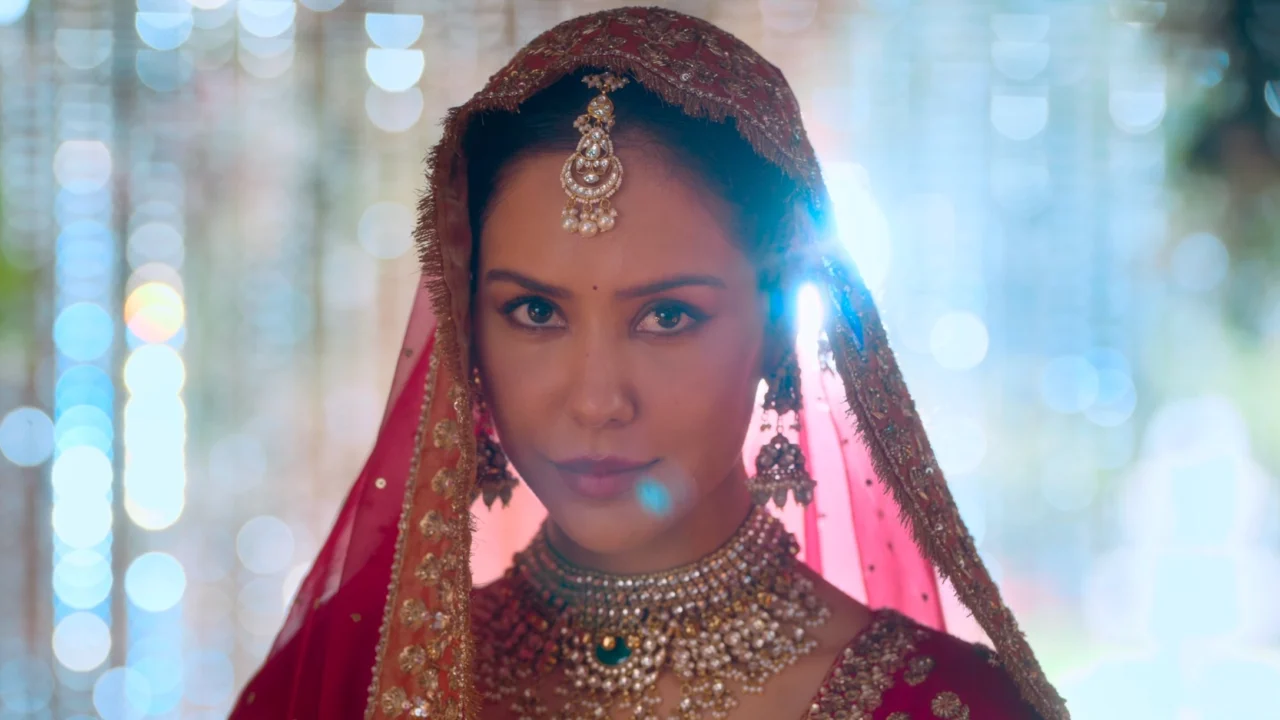
Sonam Bajwa impressed me more than I expected. Adaa needed to feel strong without being invulnerable, scared without seeming weak. Bajwa walks that line carefully. She brings dignity to moments that could have felt exploitative. You believe this woman has agency, even when the plot keeps boxing her in.
Their chemistry works because it feels real – both the attraction and the toxicity. This is their first time sharing screen space, yet they sync up naturally. The supporting cast does what they can with limited material. Shaad Randhawa and Sachin Khedekar add weight to scenes, though their characters remain underdeveloped.
Music That Actually Matters
Here’s where the film finds solid ground. The soundtrack, put together by several composers including Kunaal Vermaa and Kaushik-Guddu, elevates everything around it. “Mera Hua” sung by Arijit Singh became the song I couldn’t shake off. It captures the longing the film tries to portray better than most scenes do.
These melancholic tracks give the story its emotional spine. I noticed how the background score, handled by John Stewart Eduri, knew when to step back. During the most intense confrontations, the music supports rather than drowns out the performances. That restraint makes a difference.
The dialogues lean heavily into Urdu poetry, which gives conversations a theatrical quality. Some will find this old-fashioned. Others will appreciate hearing that kind of language in a mainstream Hindi film again. I fell somewhere in between – effective in small doses, exhausting in large ones.
Where Everything Crumbles
The technical execution needed serious work. Cinematography feels flat, with color grading that shifts awkwardly from scene to scene. Some portions look like they belong on television rather than cinema screens. For a story involving wealthy politicians and famous actresses, the production design fails to sell that world convincingly.
Running at 140 minutes, the film overstays its welcome. The second half especially drags. Scenes repeat emotional beats we’ve already processed. Sharper editing would have tightened the experience without losing the story’s core.
The pacing choices baffle me. We get slow-motion shots that add nothing except runtime. The screenplay tries balancing sympathy for Vikramaditya with condemnation of his actions but never finds that balance. You’re never quite sure if we’re meant to root for him, pity him, or fear him.
That remake of “Koi Jaye To Le Aaye” from Ghatak deserved better. Despite Sonam’s glamorous styling, “Dil Dil Dil” can’t touch the original’s energy. It feels wedged in to attract nostalgia without understanding what made that song work.
The film’s grasp of politics and show business remains surface-level. Vikramaditya makes decisions no actual politician would survive making. Adaa’s film career serves as background decoration rather than a real part of her character. Both professions deserved deeper exploration.
What Critics Had to Say
Bollywood Hungama gave the film 3.5 stars, calling it unapologetically commercial with strong music and performances. They felt it would connect with audiences in smaller towns who still crave this kind of passionate storytelling.
The Times of India landed at 2.5 stars. Their review highlighted the lead performances while noting the story broke no new ground. Visual appeal couldn’t compensate for familiar plotting.
Then things got harsh. The Indian Express awarded just 1 star, taking issue with how the film treats obsession as legitimate emotion. Their reviewer questioned why we’re still making movies that ignore consent. The Hollywood Reporter India didn’t hold back either, labeling it one of the year’s most problematic releases.
India Today gave 1.5 stars but credited both actors for their sincerity. They noted Harshvardhan has found his niche playing brooding lovers, while Sonam balanced strength and vulnerability well. Even critics who disliked the film acknowledged the performances had value.
How Regular Viewers Responded
Online reactions split down the middle. IMDb shows a 4.8 rating, though early fan enthusiasm likely inflates that number. Reading through user comments reveals vastly different experiences.
Some viewers loved the raw emotion and old-school approach. Fans of Harshvardhan’s earlier work felt satisfied seeing him in familiar territory. The music received universal praise – even people who hated the movie admitted the songs worked.
But plenty of viewers found it outdated and problematic. The predictable plot frustrated them. The melodrama felt excessive. Several comments mentioned feeling uncomfortable with how the film frames possessive behavior.
Younger audiences seemed more forgiving overall. Viewers in smaller cities responded more positively than those in major metros, suggesting Zaveri successfully targeted his core audience. Interestingly, Sonam’s performance got praised across the board. Even harsh reviews mentioned her screen presence and beauty as positives.
My Bottom Line
This film will find its people – viewers who miss 90s-style tragic romances and can overlook significant flaws for emotional payoff. If you want old-school intensity with minimal logical scrutiny, Ek Deewane Ki Deewaniyat delivers in spurts.
The music justifies the ticket price by itself. Harshvardhan and Sonam commit to their roles despite the material’s limitations. For anyone seeking something different from typical Diwali comedies, this provides an alternative, even if not entirely successful.
But approach cautiously if you expect modern storytelling or feel uncomfortable watching obsession presented as devotion. The technical weaknesses, predictable structure, and troubling themes stack up quickly.
Zaveri tried something outside his usual zone, which deserves recognition. He typically makes loud action films and crude comedies. Here he attempted genuine emotion. Better writing, improved technical quality, and more critical examination of the protagonist’s choices would have helped tremendously.
As a passionate but flawed romantic drama, it partially succeeds at what it attempts. That makes it a mixed offering – one that will satisfy its target audience while leaving others cold.
Rating: 3.5/5