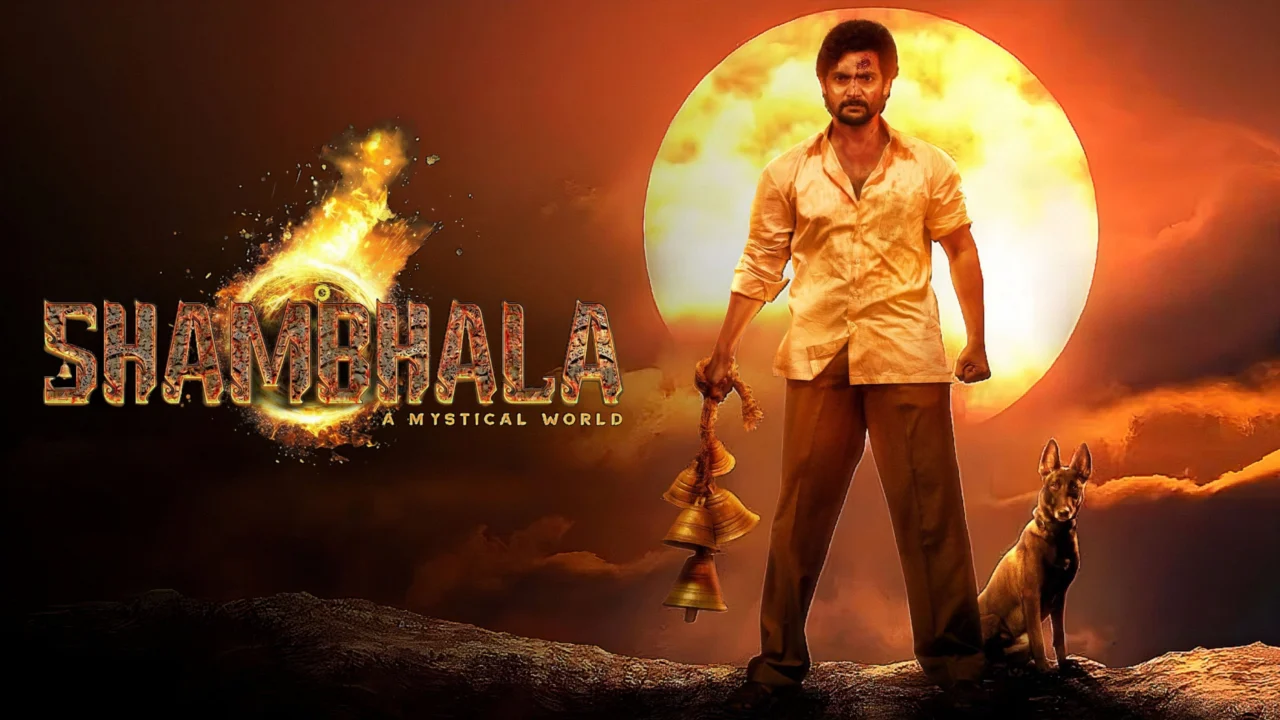
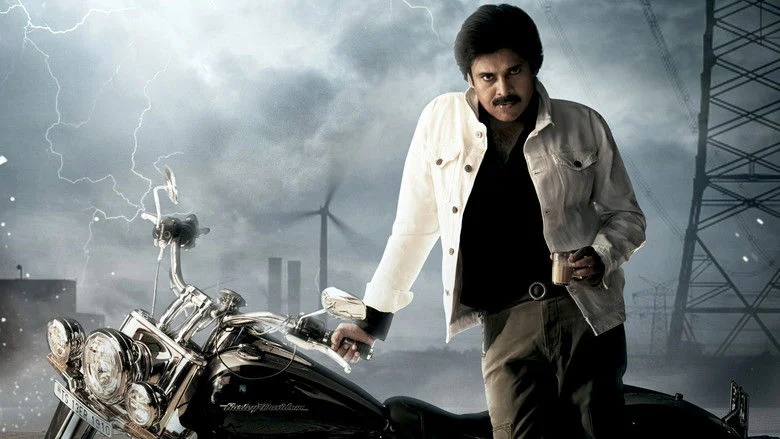
A mythological thriller built on the collision of ancient lore and contemporary stakes sounds, on paper, like precisely the kind of swing Telugu cinema needs right now. Raakaasa, directed by Manasa Sharma and releasing April 3, 2026, with Sangeeth Shobhan in the lead, suggests ambition, but ambition without architecture is just noise.
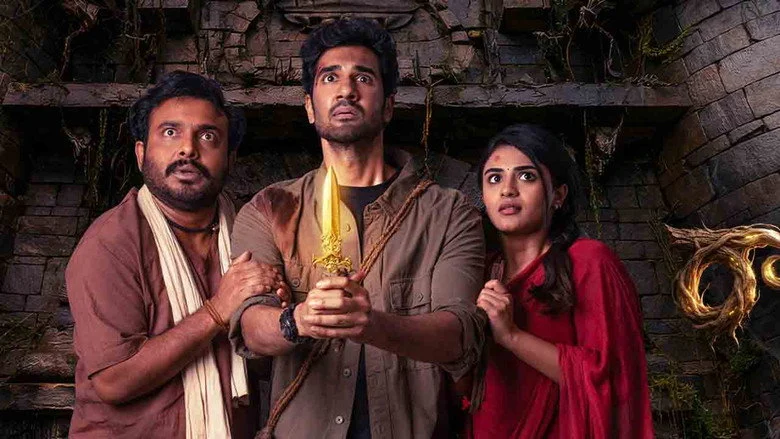
Sangeeth Shobhan Carries Weight the Film Has Not Earned
Sangeeth Shobhan is a performer with genuine range, and his presence here is not the problem. The problem is that the film gives him mythology without meaning, a figure of supposed consequence anchored to a script that has not bothered to earn its own mythology.
When an actor of his calibre appears adrift, the fault lines belong to the writing, not the performer. I found myself watching him work hard against material that kept pulling the floor out from under him.
Manasa Sharma’s Direction Reaches for Epic but Settles for Erratic
Director Manasa Sharma demonstrates a visible appetite for scale, which is the most honest compliment one can offer here. The impulse to fuse mythological register with thriller mechanics is not inherently flawed, it is the execution that collapses under its own weight.
The screenplay, wherever it can be traced, lurches between socio-fantasy logic and thriller urgency without committing to either. As one publication bluntly noted, Raakaasa is “an Illogical, Regressive Socio Fantasy Film”, and that critique lands because the film’s own internal rules feel invented scene by scene rather than constructed.
Sharma’s single clearest flaw is a failure to discipline the mythology. The film borrows the grammar of ancient storytelling but refuses to follow any grammar consistently, leaving the thriller scaffolding with nothing solid to grip.
The Mythological Thriller Frame Buckles Under Its Own Ambition
A mythological thriller lives or dies on the tension between its supernatural logic and its grounded stakes. When that logic is inconsistent, the thriller mechanics lose all urgency, the audience cannot fear what it cannot predict.
Raakaasa appears to lean heavily on visual spectacle to compensate for structural gaps. Without scene-level craft that builds dread organically, the genre machinery runs loud but produces little friction worth feeling.
The regressive undertones flagged in critical response are perhaps the most damaging dimension. A mythological world that reproduces social hierarchies uncritically is not world-building, it is lazy shorthand dressed in period aesthetics.
If you enjoy exploring the wider landscape of Telugu thriller reviews, there is a broad archive worth browsing at Telugu Thriller reviews that covers the genre’s stronger entries from recent years.
Supporting Cast Signals a Film Unsure of Its Own Ensemble
With supporting cast details unavailable, what the film’s casting choices signal is itself telling. A mythological thriller of this scope requires a robust ensemble, characters who carry the weight of the world the film is constructing.
When a production centres almost entirely on a single credited lead without visible ensemble architecture, it often means the screenplay has not populated its mythology with people worth caring about. That absence, structural and emotional, is its own kind of critique.
Audience Reception Reflects What the Critics Have Already Said
Without confirmed IMDb scores or BookMyShow data at this stage, audience reception remains a live variable. But the critical framing, illogical, regressive, socio-fantasy rather than genuine mythological thriller, typically predicts a specific audience split.
Viewers who arrive for spectacle alone may find partial satisfaction. Those who come expecting the genre’s more demanding pleasures, layered mythology, earned dread, coherent internal logic, are likely to leave frustrated. The label “socio fantasy” doing duty as a genre descriptor is itself a red flag; it often signals a film that could not decide what it wanted to be.
Raakaasa is the kind of film that will divide precisely along the fault line of expectation. Lower yours significantly, and there may be scattered moments of visual interest. Enter with the standard a mythological thriller demands, and the film has no real answer for you.
If the thematic ambitions here, mythology colliding with social drama, appeal to you, the Samuthirakani-led Carmeni Selvam review offers a more grounded version of that collision worth examining alongside this one.
Raakaasa (2026) is a film I cannot recommend in good conscience, a mythological thriller that earns neither its mythology nor its thrills, and rates no higher than 1.5 out of 5 for what it ultimately delivers on screen.
For another Telugu film navigating genre ambition with a similarly lean cast structure, the Kaalidas 2 verdict presents an instructive contrast in how smaller productions manage their world-building constraints.