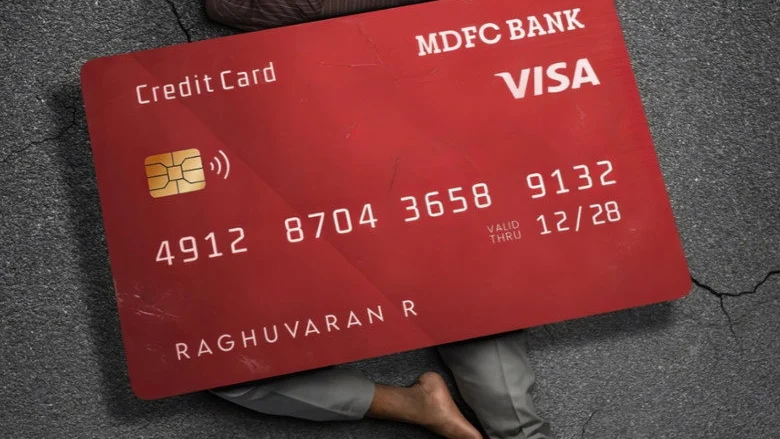
The opening scene of Magesh Rajendran’s *Love Oh Love* doesn’t waste time with meet-cutes. It shows Raghuvaran (Pavish Narayanan) hunched over a kitchen table, a stack of unpaid bills in one hand and a plastic bag of his belongings in the other, after his family has thrown him out. Within moments, we know this isn’t a typical Tamil romance – it’s a film about the quiet humiliation of debt dressed in the loud clothes of a lover’s quarrel.
Rajendran’s script builds a simple, almost dangerously straightforward premise: Raghuvaran loses his job and is buried under debts racked up by his girlfriend Avantika’s (Naga Durga) lavish spending. When he prepares to leave, she refuses to let go. So he challenges her to literally take on the ‘man’s’ role in their relationship for four months. This isn’t a suggestion; it’s a dare wrapped in desperation.
At its core, *Love Oh Love* asks whether understanding the weight of responsibility can lead a couple to rediscover genuine love. It’s a solid question for a rom-com, but the film’s uneven execution means the answer comes with mixed signals.

Pavish Narayanan: Conviction in the Challenge
Narayanan delivers the film’s most memorable moment – the challenge scene where he demands Avantika “take on the man’s role” – with a conviction that borders on the electric. The dialogue lands because he doesn’t play it as a romantic dare; he plays it as a last resort from a man who has run out of options.
His emotional range is more evident in the debt-abandonment scene than in the climax confrontation, where the writing lets him down. Still, when Narayanan is on screen, the film has an anchor it desperately needs.
Direction and Screenplay: One Good Idea, One Bad Scene
Director Magesh Rajendran deserves credit for a clear narrative focus and effective comedic timing in the first half. The central conflict is defined sharply – no confusion about what’s at stake here.
But the screenplay’s weaknesses are hard to ignore. The family-abandonment plot points feel rushed, as if the writer needed to get Raghuvaran alone quickly and didn’t care how. Worse, the police interrogation scene – meant to add stakes – lacks logical progression and feels like it belongs in a different, less interesting film. It’s the single scene that most clearly exposes the script’s seams.

Genre-Core Execution: Comedy That Breaks, Romance That Doesn’t Mend
The comedy in *Love Oh Love* works best when it’s derived from financial stress and relationship dynamics rather than situational gags. Watching Raghuvaran’s face as he calculates how many working days it will take to pay off one shopping trip is genuinely funny – a specific, grounded humour that the film leans into effectively in its first half.
The romance, however, hits a snag. The challenge premise builds romantic tension, but the payoff is standard – no real emotional turning point where either character grows beyond their initial flaws. The climax confrontation suggests resolution, but the dialogue leans on telling rather than showing.
The dual-language release (Tamil and Telugu) enhances comedic timing by widening the audience’s ear for intonation, but standard genre tropes remain, with only the challenge twist offering freshness. I found myself wishing the second half had trusted its premise as much as the first half did.
The script’s central premise and Pavish Narayanan’s lead performance offer enough that fans of relationship comedies with a social edge may want to check it out. For a wider selection of releases, browse more Tamil Romance reviews.
Supporting Cast: Naga Durga Rises, Selvaraghavan Stalls
Naga Durga’s performance shows visible growth in the challenge scene, where her initial shock slowly gives way to a determination that the character hasn’t shown before. It’s one of the few moments where the film’s gender-swap premise feels earned. Vanitha Vijayakumar and K.S. Ravikumar provide steady support in family scenes, though their characters are sketched in broad strokes rather than lived-in details.
Selvaraghavan’s antagonist role is the film’s single biggest casting misstep. The actor, known for his intense directorial work, is given limited screen time and even less menace. His character feels appended – a narrative checkbox rather than a foil that challenges the leads. What the actor’s casting signals about the film’s intent is unclear; perhaps a villain was deemed necessary for commercial viability, but the underdevelopment wastes both the performer and the potential tension.
Audience Reception: First Half Runs, Second Half Walks
Social media sentiment – though soft data in the absence of formal polls – points to a split camp. Early viewers praise the first half’s comedy and Pavish’s performance, but complaints about the second half’s pacing and predictable ending are loud enough for the filmmakers to notice.
The biggest frustration audiences voice is the antagonist – called “not threatening” in almost every feedback loop. The film’s clear message about financial responsibility resonates, but the emotional payoff feels rationed.
If you are expecting a sharp romantic drama, this will frustrate. But if all you want is a passable comedy about the economics of modern love, go in with low expectations and enjoy Narayanan’s committed work.
For a more tense and uneven character study, Lenin review offers a different kind of rhythm.
Love Oh Love is a two-hour lesson in why a film should trust its lead performance more than its plot. A 2.5/5, mostly elevated by Pavish Narayanan’s conviction.
Compare how another actor handles genre-shifting tension in I Nobody verdict.