A community stands at the edge of ash and silence, Kerala’s first democratic tremors cracking through every lane of Kunnumpuram, and somewhere in that charged geography, an easy-going youth is being forged into something harder. Dijo Jose Antony’s Pallichattambi arrives with a premise weighted by ideological conflict, a period setting, and a cast assembled with enough firepower to suggest this is not a lightweight commercial exercise.
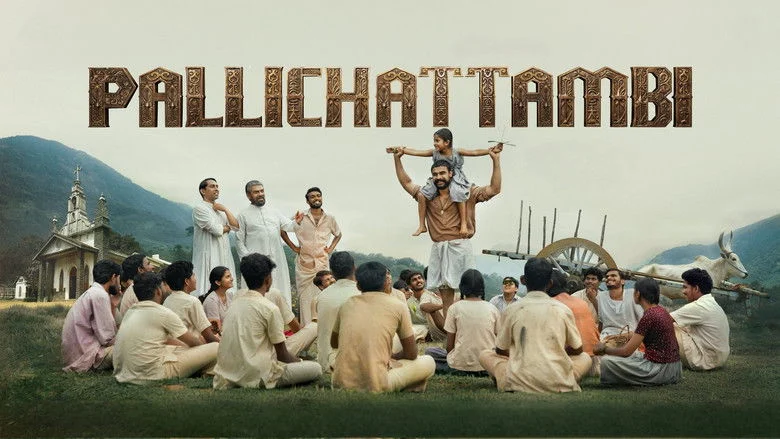
Tovino Thomas Shoulders an Ideological Awakening With Visible Intent
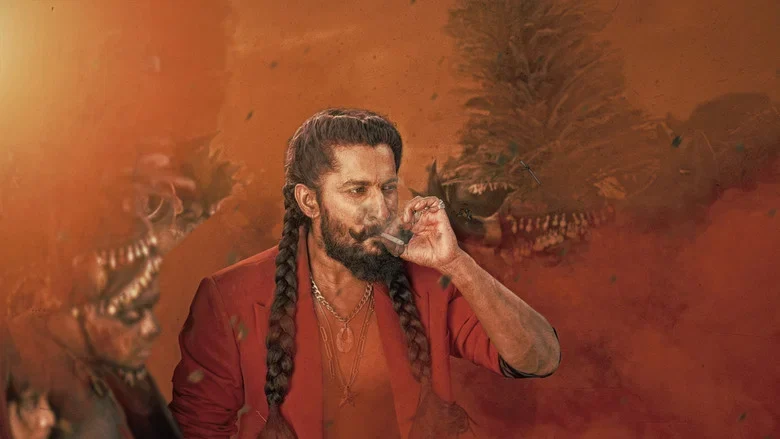
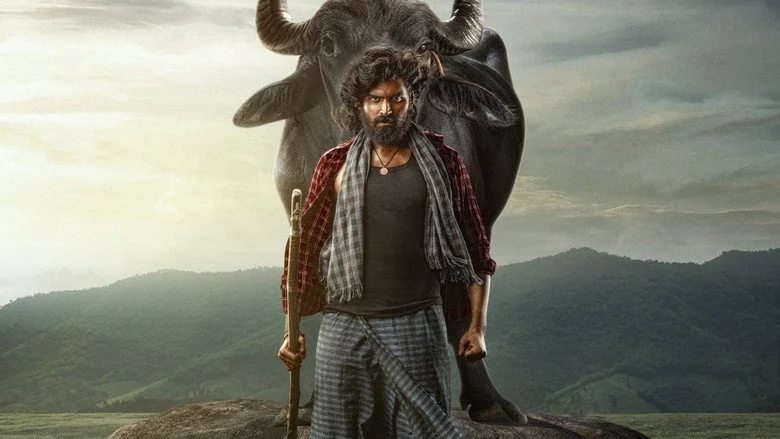
Tovino Thomas plays Chattambi, a name that carries folklore-level swagger even before the character earns it. The trajectory, carefree youth to protector of a Christian defense force, demands physical credibility and emotional reluctance in equal measure. Tovino has the physical register for this. What remains to be seen is whether screenwriter S. Suresh Babu’s arc gives him genuine interior conflict or simply a costume change.
I find the casting choice quietly bold, placing Tovino inside a period action frame rather than the grounded contemporary thrillers he has excelled in before.
Dijo Jose Antony Builds on Political Texture but the Screenplay Leaves Gaps
Dijo Jose Antony has shown an eye for community-level drama before, and here the material, Kerala’s Communist-era political churn as a backdrop for a Christian neighborhood’s survival, offers genuine thematic meat. The central conflict is historically rooted and that specificity is the screenplay’s clearest strength. S. Suresh Babu’s writing appears to understand that ideological stakes sharpen physical confrontation.
The flaw, based on how the film’s premise is structured, is the risk of flattening that complexity into a simple protector-versus-invader arc. Dialogues like “Kunnumpuram must be reduced to cinders, not a single soul must be left alive” signal menace but also a tendency toward declarative villainy over nuanced antagonism.
At 2 hours 30 minutes, the runtime demands that Antony sustain both the political texture and the action momentum without either sagging. That balance, at this length, is where many Malayalam period films have stumbled before.
For more Malayalam action reviews from across the industry’s current wave, the Malayalam Action reviews section carries a wider range of perspectives worth browsing.
Prithviraj Sukumaran’s Antagonist Entry Is the Film’s Most Anticipated Craft Decision
Prithviraj Sukumaran as the implied antagonist is the casting decision that immediately sharpens audience attention. The dialogue, “He is coming to set that land ablaze until nothing but ash remains”, reads like it was written to precede his arrival on screen. Prithviraj in full-throttle villain mode carries a specific kind of cinematic gravity that few Malayalam actors can match.
The supporting bench, Vijayaraghavan, Sudheer Karamana, Johny Antony, T G Ravi, represents decades of Malayalam character acting. That ensemble signals the film is not treating its periphery as decoration. What each of them brings to their respective roles will determine whether the world of Kunnumpuram feels textured or merely populated.
Period Action in Kerala Carries a Political Risk That the Film Seems Willing to Take
A film set against Kerala’s first democratic transition, framing a Christian community’s resistance against Communist political pressure, enters contested ideological territory by definition. That is not a criticism, it is an observation about the kind of scrutiny this film will invite from audiences and political commentators alike.
Social media sentiment ahead of release has been notably charged, with audiences particularly fixated on when and how Prithviraj Sukumaran enters the narrative. The trailer’s promise of intense action has generated genuine anticipation, which means audience expectations are set high for the genre execution specifically. Whether the film handles its historical frame with rigor or uses it purely as aesthetic scaffolding will be the defining question.
Cinematographer Tijo Tomy and editor Sreejith Sarang will carry significant responsibility here. Period action lives or dies on whether the camera can place you inside the geography of violence, the stunt choreography must feel rooted in a specific place and time, not generic. Jakes Bejoy’s score, meanwhile, needs to amplify the ideological weight without tipping into overt sentiment.
If you’re drawn to films where a commanding antagonist performance restructures the entire narrative, the Dhurandhar review examines exactly that dynamic.
Pallichattambi arrives with the bones of something genuinely ambitious, a period action film that stakes its identity on historical specificity and a cast that refuses to play small. The craft elements in place, from Jakes Bejoy’s score to Tijo Tomy’s lens, suggest a production that took the material seriously. Whether the screenplay resolves its tensions or collapses them into broad strokes will be the real verdict. Catch this one in theaters if period action with political undercurrents is your register, the large screen will amplify both what works and what doesn’t.
Pallichattambi is a film worth your theater ticket if you trust Dijo Jose Antony’s instincts and Prithviraj’s villain energy enough to accept a few screenplay risks along the way, on the strength of its premise, casting, and craft credentials alone, it earns a provisional 3 out of 5.
Fans of performance-driven Malayalam drama with quiet emotional undercurrents might also find Itllu Arjuna verdict worth their time alongside this one.