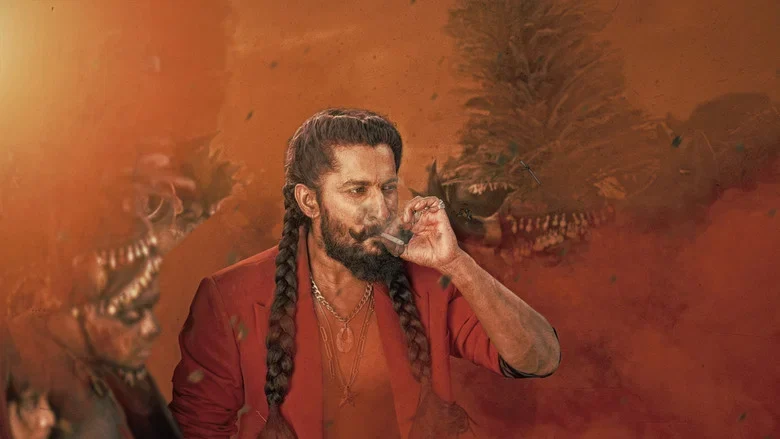
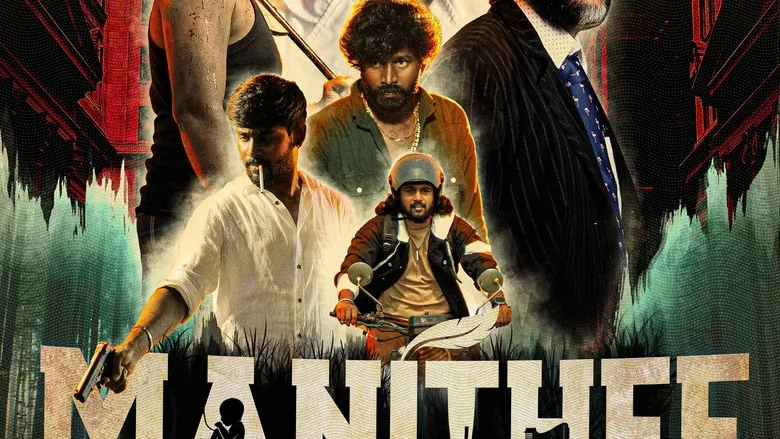
Two thieves break into the Aryanattu estate and accidentally knock over a vintage doll, unleashing a vengeful Yakshini that has been sealed inside for decades. The ensuing terror is swift and brutal, but Abhilash Warrier’s Aroopi is more interested in the weight of the curse than the jump scares it provokes.
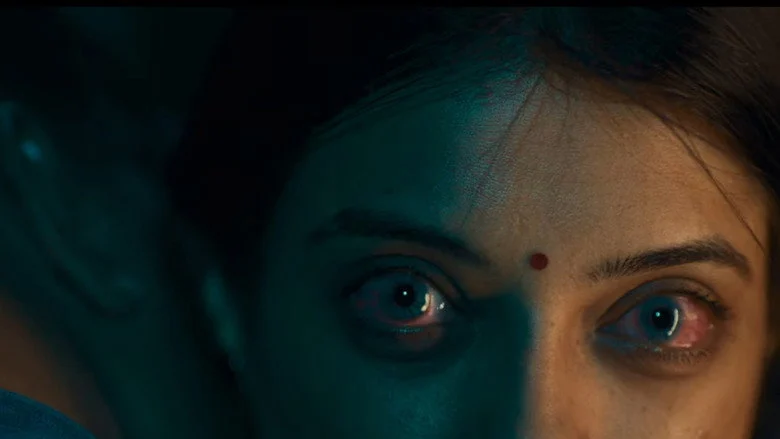
Vaisakh Ravi’s Debut: A Conflicted Niranjan Who Carries the Film’s Emotional Core
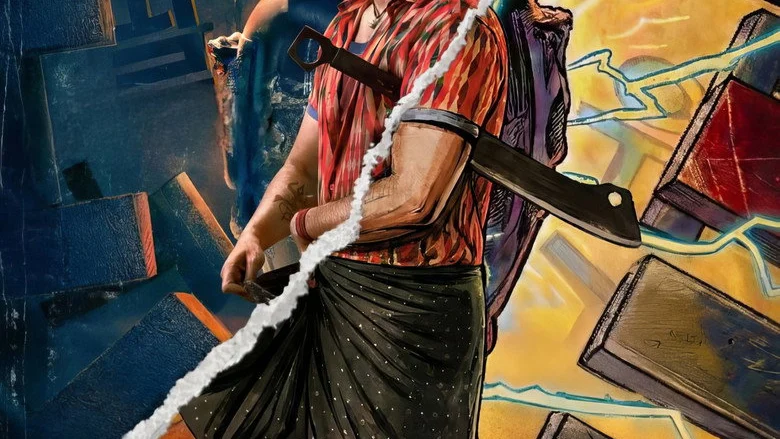
Vaisakh Ravi steps into the spotlight as Niranjan, the last surviving heir of the Aryanattu lineage. His return to the ancestral home after a brutal murder feels appropriately heavy, but his performance in the climax confrontation with the Yakshini reveals a certain raw, unpolished energy that could have used another take.
It is his eyes during the scene where he uncovers the family’s dark secrets that land best, he sells the burden of a cursed bloodline without overdoing it. For a debut, this is a promising start, though the script doesn’t give him enough quiet moments to let the dread simmer.
Abhilash Warrier’s Direction: Strong on Atmosphere, Short on Pacing Control
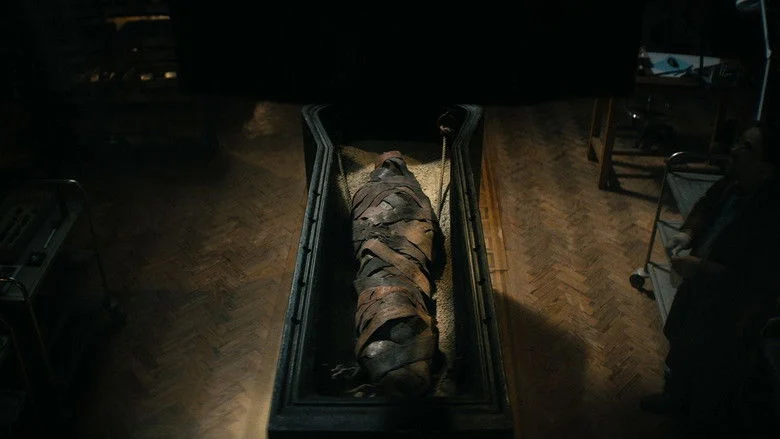
Warrier knows how to frame a haunted house. The ancestral estate is photographed with a cold, deliberate eye that makes every shadow feel like a threat. The screenplay’s linear structure, thieves unleash curse, heir returns, secrets are revealed, is clean but feels rushed once the twisty family history enters the frame.
The problem is the writer-director doesn’t trust the silence. Several scenes of exposition about the Yakshini’s origin break the tension just as it was building. One wishes Warrier had let the doll do the talking instead of the characters.
The Horror Execution: Where the Yakshini Works and Where It Stumbles
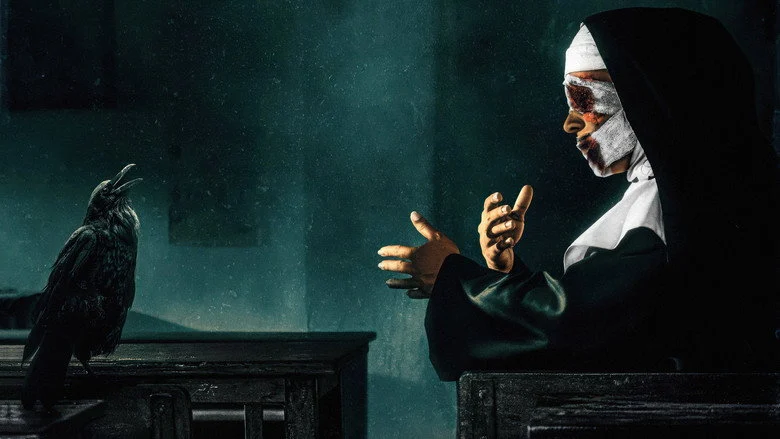
The opening sequence where the Yakshini is unleashed from the doll is the film’s single best setpiece. The sound design of the porcelain cracking and the slow, deliberate reveal of the entity establishes the horror premise with genuine craft. It is a scene that knows exactly when to withhold and when to strike.
However, the middle act relies too heavily on the brutal murder that triggers Niranjan’s return, but the act itself is over in a blur of quick cuts. The curse spreads through the estate in montages rather than sustained, patient sequences, which dilutes the supernatural dread. The ghost’s manifestation becomes predictable after the second occurrence.
The climax confrontation between Niranjan and the Yakshini tries to merge physical threat with emotional resolution, but the choreography feels constrained. The resolution hinges on a dialogue about the family’s past that lands with more information than impact. The narrative resolves the curse, but the emotional payoff for the audience remains elusive.
Supporting Cast: Neha Chawla, Joy Mathew, and the Ensemble That Fills the Frame
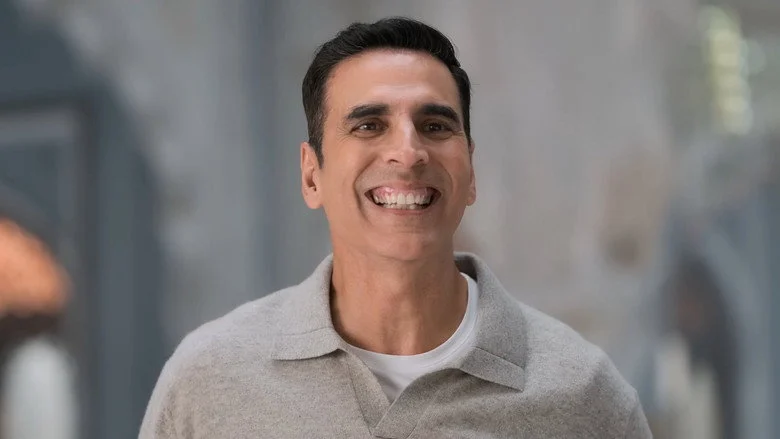
Neha Chawla, bringing her Bollywood pedigree to the Malayalam horror landscape, plays the antagonist Yakshini with a physicality that reminds you why she was cast. Her unleashing scene is the film’s most talked-about moment, and she sells the supernatural menace through body language alone. Joy Mathew and Sindhu Verma provide the necessary gravitas in supporting roles, grounding the supernatural plot in a sense of familial weight.
The ensemble, including Kiran Raj and Aditya Raj, fills the estate with enough faces to make the curse feel widespread, but the sheer number of supporting actors means several are reduced to reaction shots. The presence of Gopi Sundar’s music, with lyrics by B K Harinarayanan, adds a layer of sonic texture that the film’s quieter moments badly need.
If you’re looking for more films that lean into atmospheric dread, browsing through our Malayalam Horror reviews might point you in the right direction.
What’s Missing: The Controversy and the Box Office That Could Have Been
With a UA16+ certificate and no reported censorship issues, Aroopi sidesteps political controversy entirely. The film’s early box office data remains unavailable in trade circles, but the Pradeep Raj banner and the casting of a Bollywood face suggest a moderate commercial ambition rather than a blockbuster push. I find it curious that a film with such a clear visual identity has so little critical chatter around its runtime or pacing, almost as if the promotional campaign forgot to mention how long the curse actually lasts.
Final Recommendation: Go for the Craft, Stay for the Début, Prepare for a Familiar Third Act
Aroopi is a perfectly adequate horror film that knows its craft but doesn’t always trust it. Watch it for the vintage doll sequence and Vaisakh Ravi’s earnest debut, but temper your expectations for genuine innovation in the supernatural thriller space. The best format to watch is a regular cinema where the sound design can do its job; an OTT viewing will likely flatten the atmosphere Warrier worked so hard to create.
It won’t haunt you for long, but it also won’t bore you to death.
For a tighter, more unnerving horror experience that understands restraint, check out how Alpha review with similar structural flaws.
Aroopi earns a generous 2.5 out of 5, worth a watch for craft enthusiasts, but not the genre revelation it aspires to be.
If you prefer your supernatural scares with more bite and less exposition, Alpha verdict.