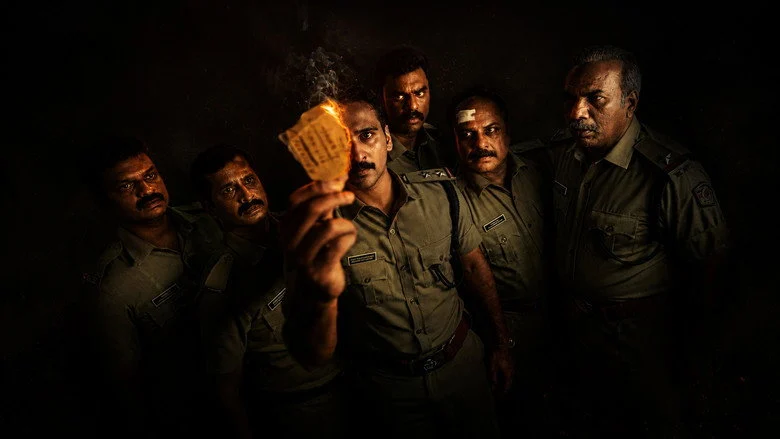
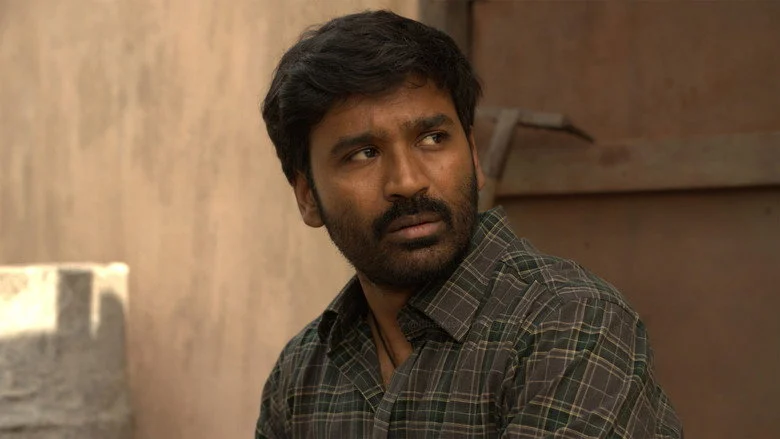
SI Ajeeb discovers the body in the well with a shudder, not a scream. Roshan Mathew plays the opening find as a man whose stillness masks a mind already unspooling.
His performance in Act 2, alternating between obsessive paperwork and mute stares, makes the psychological toll tactile without a single line of over-emphasis.

M. Padmakumar’s Direction: A Gripping Hook, A Sagging Middle
Padmakumar stages the border-town atmosphere with a damp, claustrophobic texture that few Malayalam crime films manage. The well-discovery sequence is a master class in withholding the gory reveal while letting dread accumulate.
Yet the screenplay’s middle section, meant to explore Ajeeb’s trauma, loses its rhythm. The investigation stalls into repetitive scenes of Ajeeb staring at case files, and the pacing drags precisely when it should accelerate.
A Crime Thriller That Dwells More on Damage Than Deduction
The genre here is less whodunit than *how did this man survive it*. The border-town setting operates as a third character: the law bends, officers look the other way, and the decomposed body becomes a metaphor for buried truths.
The confrontation with higher-ups in Act 2 is the film’s sharpest setpiece, a low-boil argument where evidence is absent but moral certainty remains. It is a scene that trusts the audience to feel the heat without loud background score.
Where the film stumbles is in its reluctance to reward the patient viewer. The psychological interiority is rich, but the crime-thriller machinery, clues, red herrings, a payoff, feels underfed. One leaves impressed by the mood, less so by the mystery.
Baiju Santhosh and the Supporting Chorus
Baiju Santhosh, playing ASI Joy, grounds the procedural side with a weary, almost paternal competence. His silence in a key Act 2 scene, when he lets Ajeeb break protocol, carries more weight than any dialogue.
Vinay Thattil and Divya M. Nair add a layer of community texture, but their characters remain sketched rather than inhabited. The antagonist, played by Baiju Santhosh in a dual role, lacks the shading needed to make obstruction feel personal rather than bureaucratic.
The Psychological Lens and Audience Polarisation
This is a crime thriller that refuses to offer catharsis; the climax resolves the case but leaves Ajeeb marked. For fans of Roshan Mathew’s intensity, that refusal is the point.
But the film’s emotional weight may alienate viewers expecting a clean genre ride. The slow middle section and the protagonist’s repetitive inner turmoil, intentional as it is, may test patience. I found the commitment to mood admirable, even when the narrative engine sputtered.
For those who want more of the same register, our collection of Malayalam Thriller reviews offers comparable mood-first investigations.
Go for Roshan Mathew’s performance and the border-town grimness. Skip if you need a plot that moves faster than its protagonist’s healing. Watch it in a quiet room with good headphones, the background score by Manikandan Ayyapp deserves isolation.
Uyir earns a 3-out-of-5 for its craft and conviction, but loses half a star for letting its psychological ambition outpace its storytelling discipline.
For a film that trades in similar procedural exhaustion, Welcome Jungle review deploys an ensemble gamble with less payoff.
Another actor-led drama that strains under its runtime is Suitcased verdict.