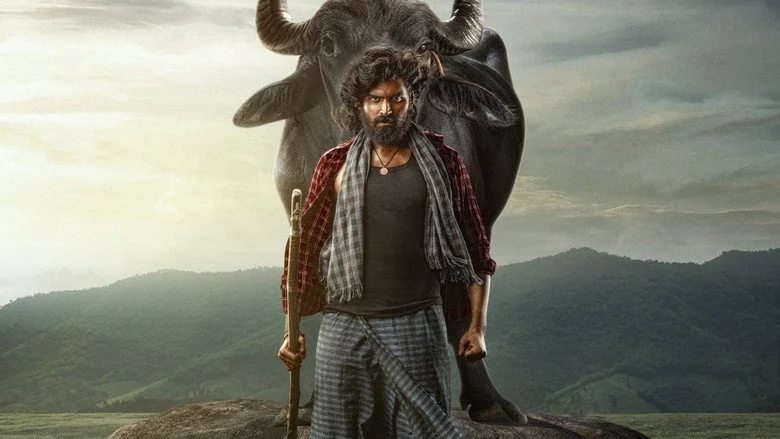
Aarav spots Chandni across a Hyderabad campus hallway and orchestrates an elaborate pursuit, matching outfits, stolen moments in hostel rooms, small gestures of attention layered into college routine. Within minutes, the film’s gamble becomes clear: it will not linger in the comfort of that breezy courtship. The unplanned pregnancy arrives mid-narrative like a collision, marriage follows, and suddenly the couple must navigate financial strain, stalled ambitions, and the exhaustion that kills romance before either of them understands why.
Vivek Soni’s film risks the most fragile contract a romance can make, that audiences will tolerate the dissolution of attraction to witness something harder: the practical cost of choosing wrong at twenty. That’s either courageous or commercially reckless, and the second half determines which.
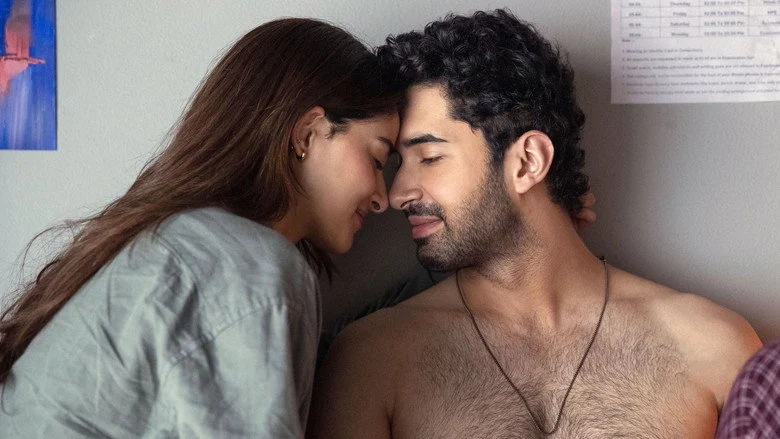
Lakshya Lalwani’s Transformation from Pursuit to Pressure
Lalwani’s Aarav begins as an impulsive pursuer, all coordinated wardrobe choices and campus maneuvering, then fractures into a man pressed by responsibility before he’s learned to want it. The performance’s violence lies in watching his emotional register collapse, from flirtation to fatigue to quiet resentment. He doesn’t play a villain in his own story; he plays a man who discovers too late that romance and responsibility occupy different skill sets, and he possesses neither.
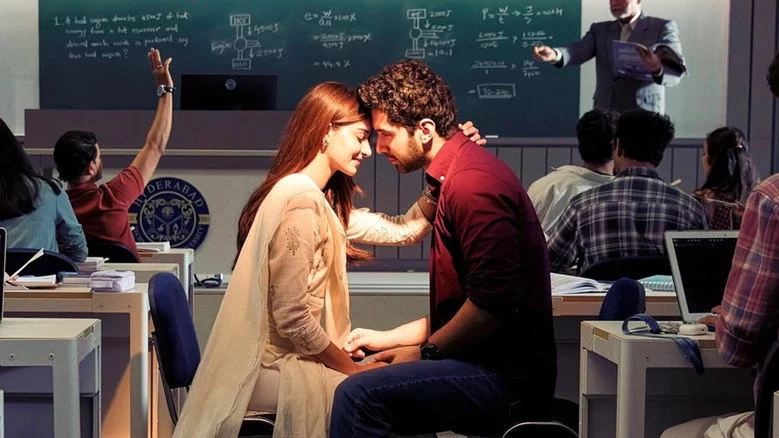
Soni’s Direction Commits to Domestic Collapse, But Unevenly
The director deserves credit for refusing the soft ending, the film pivots hard from romance into relationship dysfunction, keeping the emotional focus narrow and relentless. Yet the script’s reliance on a familiar progression (courtship, unplanned pregnancy, marriage strain, reckoning) means the second half never quite escape the territory established by a dozen films before it. Soni’s camera observes rather than interrogates; it documents the couple’s unraveling without providing the formal language that might elevate the familiar into something necessary.
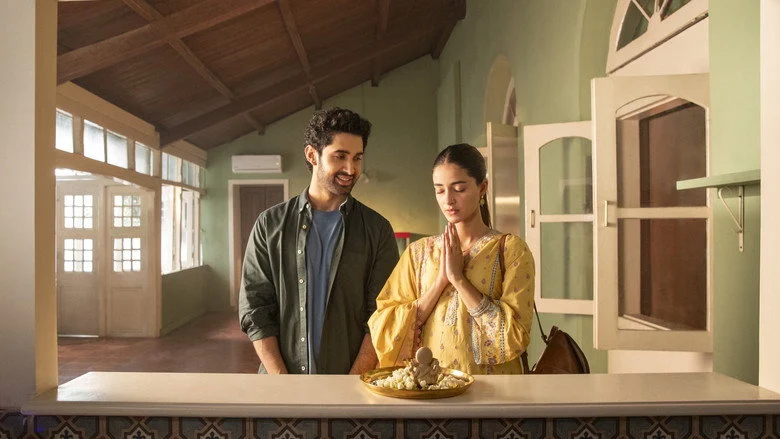
Where the Drama Lands and Where It Falters
The campus-romance opening vibrates with specificity, matching outfits as courtship language, hostel intrusions as stolen intimacy, the small observational beats that make attraction feel lived rather than performed. Ananya Panday’s Chandni reads as career-focused and wary, which gives their early dynamic real friction; she’s not simply waiting to be chosen.
The domestic stretch abandons that specificity. Financial pressure, misunderstandings, and emotional distance become the narrative fuel, but the film treats them as broad categories rather than particular wounds. The pregnancy itself functions less as a character moment and more as a plot mechanism, the device that shunts them from one thematic territory into another. I found myself wishing Soni had committed harder to the sensory detail of financial desperation or the microscopic resentments that erode a partnership, rather than standing at a distance and naming these things.
What works: the film understands that love tested by responsibility is a story worth telling, and it doesn’t flinch from showing that test as brutal. The chemistry between Panday and Lalwani survives the tonal shift, which means their later scenes of strain carry weight. What doesn’t work: the narrative architecture feels assembled from template rather than lived observation.
Exploring how contemporary Indian cinema handles relationship breakdown with nuance reveals patterns worth tracking. For more on how drama operates in Hindi cinema, Hindi Drama reviews offer broader context on the genre’s current vocabulary.
Supporting Cast Presence Without Definition
Het Thakkar, Pratham Rathod, Aastha Singh, and Elvis Jose occupy the cast list without receiving character or scene specificity in available detail. Their presence signals a collegiate ensemble, yet none emerge as distinct voices in the narrative. That absence is telling, this film has deliberately narrowed its world to the couple, which is a choice, though it risks isolation when the couple’s dynamic becomes repetitive.
Dharma’s Gamble: Relationship Drama Without External Villain
The film contains no named antagonist, no external force to blame. That’s the risk Soni took, and it’s the right one. By making the couple their own obstacle, the film resists the easy comfort of blaming circumstance or villain. Instead it demands that Aarav and Chandni, and the audience, sit with the uncomfortable truth: they chose each other at an age when choice was mostly reflex. The question the film asks is whether love survives once the reflex wears thin and reality begins its work.
The second half tests that premise harder than most audiences expecting a light romance will tolerate. The pacing slows; the tone darkens; moments of happiness become rare and fragile. Some will read this as mature. Others will call it punishing. The truth likely lies between, the film is most effective in its early passages, when attraction has weight, then struggles to justify its own bleakness as it continues.
Watch if you came for the campus romance and stay if you’re willing to sit with a relationship’s slow disintegration. Streaming at home is probably the right format; this is intimate enough that theater-sized framing might amplify its repetitiveness. The film’s central claim, that unplanned love can collapse under planned responsibility, lands with occasional force, but only when Soni trusts the particulars over the philosophy.
Examining how similar conflicts play out across relationship-driven narratives reveals consistent patterns. Commandovin Love review explores parallel terrain through different circumstance.
Chand Mera Dil refuses the comfort of its own premise and deserves watching for that refusal alone, though the execution wavers between honest and mechanical, rating this somewhere between 2.5 and 3 out of 5 depending on whether you value risk or finish.
The film shares its interrogation of ambition under romantic pressure with Paavakoothu verdict.