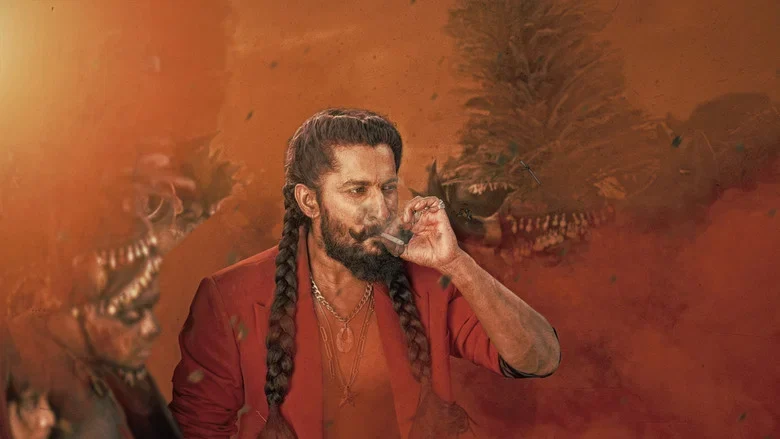
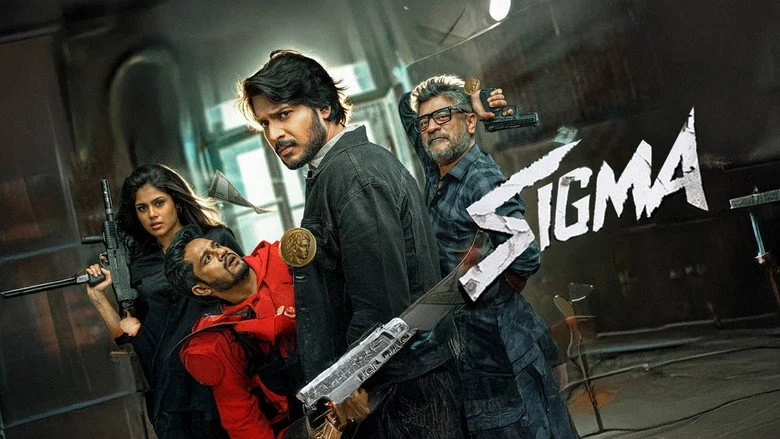
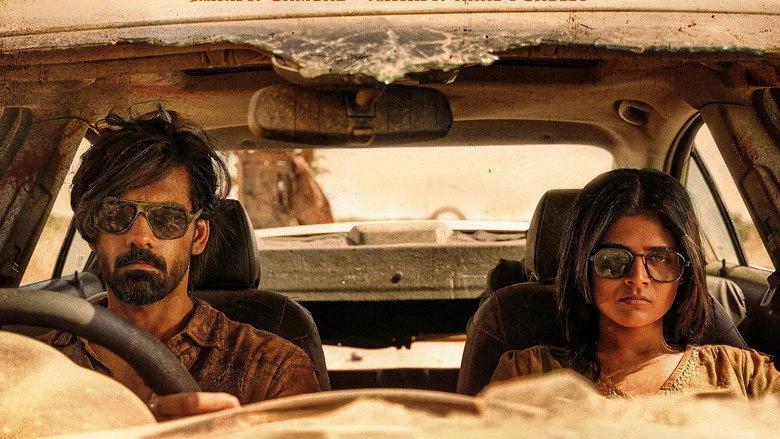
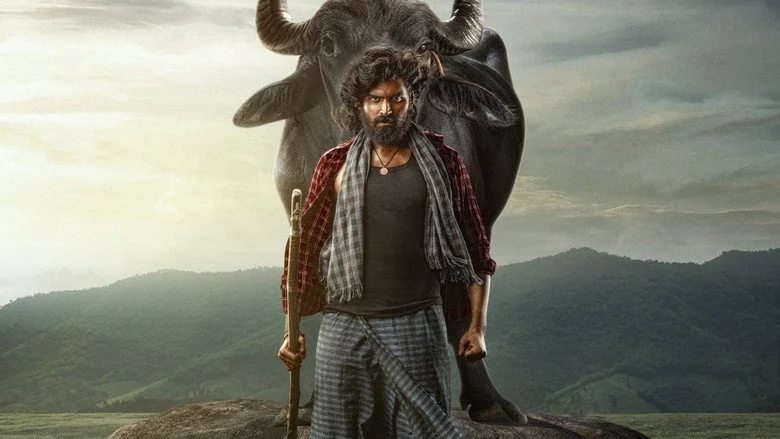
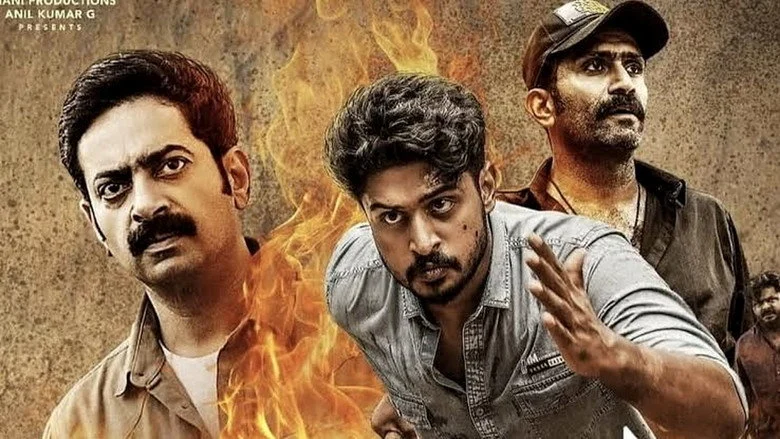
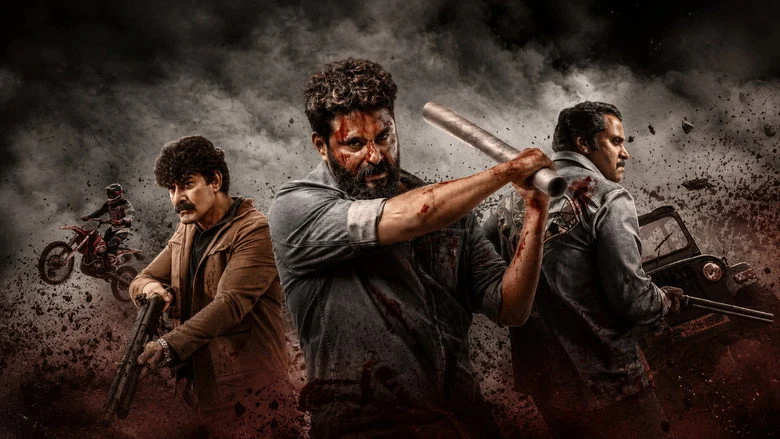
A village in 1980s Andhra Pradesh mobilizes around sport as its only weapon against a powerful rival’s stranglehold on collective pride. Ram Charan’s Peddi arrives as a 189-minute underdog narrative built on community resistance rather than individual heroics, a deliberate structural choice that either elevates the ensemble or dilutes the star’s gravitational pull.
Director Buchi Babu Sana positions this as a mass-emotion sports drama rooted in rural specificity, which demands that Ram Charan function less as conquering hero and more as catalyst for village consciousness. Whether the film trusts that ambition, or retreats into star-centric framing, will determine whether Peddi emerges as studied period drama or exercise in biographical uplift masquerading as social commentary.
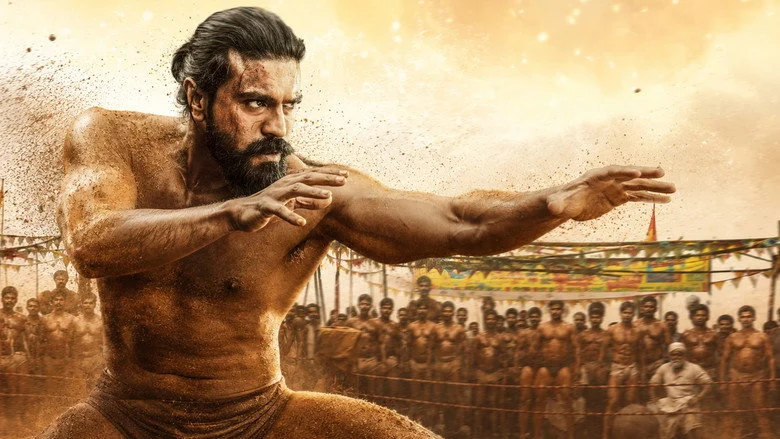
Ram Charan’s restraint in a village-wide narrative
The core gamble of Peddi rests on whether a mass-appeal Telugu star can anchor a story where the community, not the individual, claims final victory. Ram Charan’s casting signals intent toward accessibility, but the character name itself, Peddi, suggests a deliberate de-centering from mythic register. His role requires inhabiting a spirited villager facing oppression, which demands vulnerability and constraint rather than the muscular dominance typical of his action repertoire.
This restraint, if executed with precision, reframes Ram Charan’s star power as credibility rather than spectacle. The film’s success hinges on whether he resists the impulse to heroize himself when the screenplay asks for collective struggle.
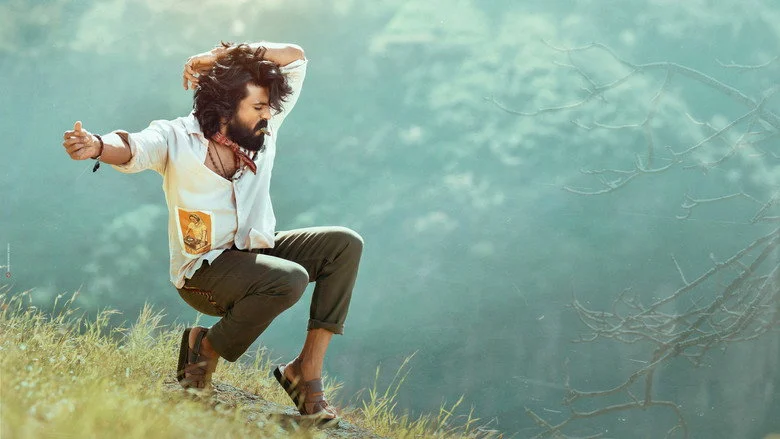
Sana’s rural staging against 189-minute indulgence
Director Buchi Babu Sana brings clear structural intent: an underdog framework and community-driven conflict architecture that refuses easy resolution through individual valor. The 1980s Andhra Pradesh setting offers temporal and geographic specificity that should ground the narrative in lived detail rather than melodramatic abstraction.
Yet a three-hour-plus runtime demands disciplined pacing and relentless scene justification. There is no evidence in the synopsis that Sana has trimmed excess or that every beat earns its screen time. The screenplay’s linear sports-drama structure is serviceable, but serviceable across 189 minutes risks becoming monotonous.

Sports as resistance, not just spectacle
The film distinguishes itself by tying conflict resolution to athletic competition rather than direct physical confrontation, a choice that elevates genre craft beyond standard action-drama violence. The premise suggests that victory emerges through organized, rule-bound human effort rather than the protagonist’s exceptional physical prowess. This is thematic discipline worth recognizing.
Community mobilization anchors the narrative architecture. The village transforms from scattered individuals into coordinated force through sport, a device that demands montage clarity and emotional escalation. Period framing, 1980s rural setting, should inform how sport is staged: equipment, training methods, social hierarchies around athletic access all become period markers rather than mere background.
The underdog-versus-powerful-rival structure is familiar, but familiarity only works if execution surprises. The climax, described as a village-wide stand for honor and collective dignity reclamation, must feel earned through accumulated detail and character alignment, not imposed through screenplay contrivance.
For those seeking to explore how Telugu cinema handles sports drama across different registers, Telugu Action reviews provide comparative context and thematic genealogy.
Janhvi Kapoor and ensemble anchoring in non-lead space
Janhvi Kapoor enters this narrative without confirmed character specificity in available sources, yet her presence signals the film’s pan-Indian commercial ambition. The female lead’s role, whether love interest, community advocate, or moral conscience, will reveal how seriously the film treats women’s agency within rural-male-dominated sport culture. The casting choice itself suggests mainstream accessibility prioritized over regional authenticity.
The supporting ensemble, Shiva Rajkumar, Jagapathi Babu, Divyenndu Sharma, Boman Irani, comprises seasoned performers capable of complex antagonism and moral complexity. Their deployment matters: are they cardboard villains or flawed stakeholders in the same village economy? That distinction determines whether Peddi operates as melodrama or drama.
Political framing through rural class conflict
The film’s central premise, oppression from a powerful rival against a village community, invokes rural class struggle without requiring explicit political rhetoric. The 1980s setting carries historical weight: this was an era of significant agricultural change, caste-land dynamics, and shifting power structures across South India. How Peddi engages or sidesteps that history will matter to viewers attuned to political substance.
No controversy or overt political statement is documented in available sources, suggesting the film plays structural underdog resistance without ideological specificity. That choice, whether deliberate restraint or evasion, shapes how audiences interpret the narrative’s politics of dignity and community pride.
Peddi aspires toward mass-scale Telugu cinema that takes rural sports and honor seriously, anchored by a star willing to function as ensemble player rather than mythic center. The three-hour commitment demands that every scene justify its presence and that Sana’s direction demonstrates the discipline that 189 minutes requires. Watch this for Ram Charan’s willingness to de-center himself and for whether Telugu cinema can stage rural dignity without either patronization or melodrama. The theatrical format, large screen, immersive sound design for sports sequences, becomes essential to whether communal struggle lands with intended force.
Peddi stakes its claim on ensemble underdog specificity, and Ram Charan’s restraint carries it toward the 3/5 mark if execution sustains that promise.
Director Buchi Babu Sana’s approach to rural staging recalls Habeebi review that privileges collective identity over individual triumph.
The scale and physical performance demands align with Blast verdict that test whether runtime expansion serves thematic depth.