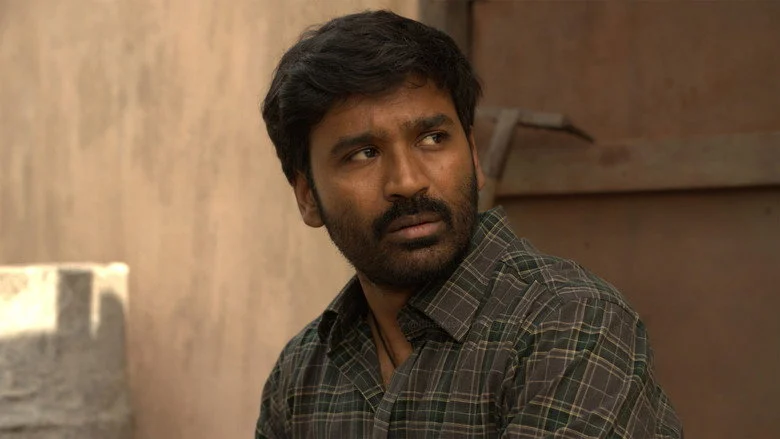
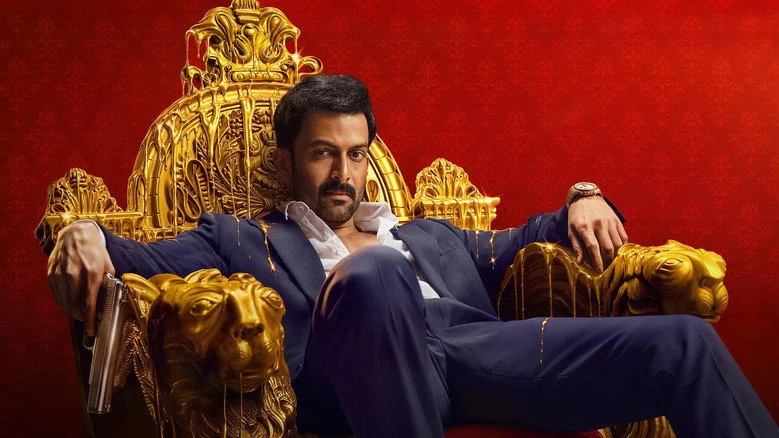
Dawn is still hours away, but the room is thick with judgment that refuses to settle. Rangaraj Pandey’s Judge shuffles papers he has read a dozen times, his mouth moving silently, rehearsing a verdict no one wants to utter. This is not a courtroom thriller that races toward a twist; it is a study of what happens after the sentence is passed, when the only people left in the room are the ones who must carry out the cold letter of the law.
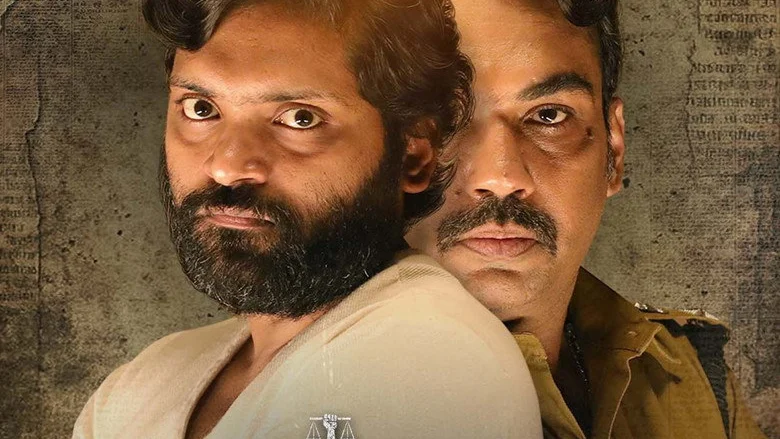
Vetri Sudley plays a man already erased
As Lakshmikanthan, the young convict awaiting execution, Vetri Sudley does not beg or rage. His performance is one of quiet resignation, a man who has accepted his fate so fully that he has begun to feel like a ghost in his own cell. It is a risky choice, passive protagonists rarely hold attention, but Sudley’s stillness becomes magnetic in the final hour, when his silence speaks louder than any last-minute plea.
What makes this performance land is the economy of expression. A slight drop of the shoulders when the Jailer mentions the hour; a slow blink when the Judge’s name is invoked. Sudley has directed himself into a corner of pure restraint, and it works.
Direction and screenplay: tension built by the minute, broken by the second
Vetri Sudley’s direction excels at the granular: the scrape of a chair, the rattle of keys, the long silences between men who have nothing left to say to each other. The first half unfolds with the patience of a good stage play, trusting the audience to lean in rather than pushing them. But the screenplay, credited to Rangaraj Pandey, falters in its second-half rhythm. The middle stretch repeats moral beats without deepening them, and the execution scene itself arrives with an abruptness that undercuts everything built before it.
Genre-core execution: a legal thriller that refuses to thrill
This is not a film interested in procedural twists or dramatic courtroom reversals. The verdict has already been delivered before the opening credits fade. Lakshmikanthan Kolai Vazhakku commits to the stillness that follows judgment, mapping the emotional geography of a single night. The Hangman’s hesitation as he oils the mechanism of the trapdoor is its own kind of setpiece, slow, deliberate, morally unbearable.
Where the genre typically demands acceleration, this film decelerates. The Jailer’s confrontation with Lakshmikanthan is less an interrogation than a shared vigil, two men counting down to something neither wants. The background score, met with mixed feedback, does not always support these quiet beats; some scenes feel sonically underfed, leaving the mood to drift.
The strongest genre-adjacent moment is the Judge’s final decision at dawn, a sequence that finally rewards the patience the film has demanded. But it takes too long to arrive, and the journey through the second act tests loyalty to a film that prizes idea over incident. I found myself wishing for the cold precision of a good procedural in the stretches where moral philosophy alone had to carry the weight.
Rangaraj Pandey and the supporting cast carry the film’s moral weight
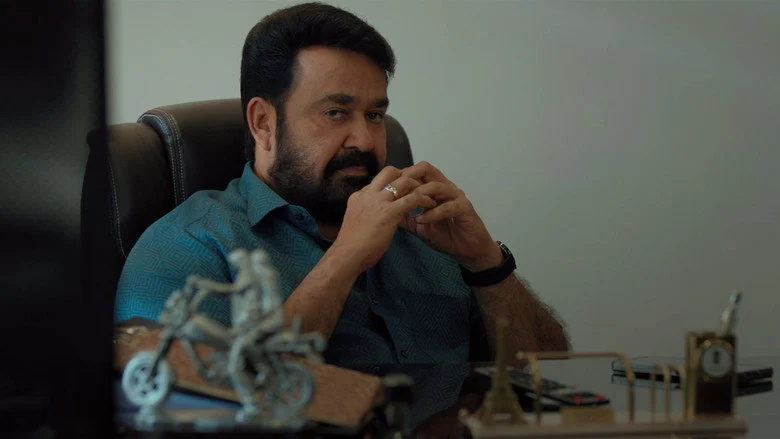
Rangaraj Pandey, credited as both writer and the Judge, delivers the emotional core of the film. His internal monologue questioning the verdict, “Justice is not blind; it is broken”, is the line that lingers, but it is the silence between his words that gives the role texture. Pandey plays a man who knows he has passed a correct legal judgment but cannot live with its human cost, and that split registers in every tight-lipped reaction.
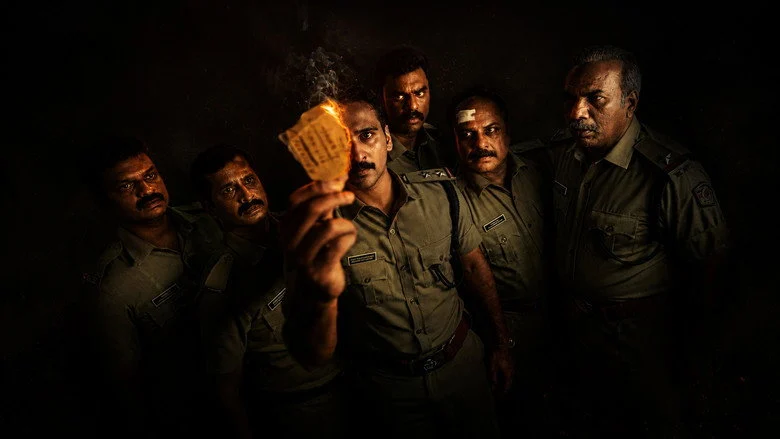
The actors playing the Hangman and Jailer are not named in available sources, but their scenes are the film’s most quietly devastating. The Hangman’s muttered line, “I cannot kill a man I do not know”, is a thesis statement for the whole enterprise. The Jailer’s final exchange with Lakshmikanthan lands with an emotional weight the execution scene itself cannot match.
Audience reception: patience rewarded or tested?
Audience response mirrors the critical split. The moral dilemma of the Judge is widely praised, and the tension of the final hours is noted as effectively built. But complaints about pacing in the second half and the abrupt execution scene are consistent across viewer feedback. This is a film that demands a specific mood and a patient seat; anyone expecting a traditional legal thriller will leave frustrated. The underdeveloped plot points, what led to the conviction, the nature of the crime, remain gaps the film refuses to fill, and not every viewer will accept that silence as intentional craft.
For those who value atmosphere over plot mechanics, Vetri Sudley’s debut offers something rarer than a good twist: a genuine moral argument staged without easy answers. But it also offers stretches where the argument repeats itself, and the final pay-off may feel too abstract for a medium that thrives on the concrete.
If the slow-burn Tamil drama with moral weight appeals to you, the site has more Tamil Thriller reviews worth exploring.
The final judgement: watch or skip?
Lakshmikanthan Kolai Vazhakku is a debut that announces a filmmaker with strong instincts for tension and character but uneven control over pacing and climax. Watch it if you want a night with questions that refuse closure; skip it if you need a narrative that earns its finish with forward momentum rather than atmosphere. The best format to watch is a quiet OTT screen with no distractions, this is a film that dies in a noisy room.
Lakshmikanthan Kolai Vazhakku earns a measured 3 out of 5: a promising first feature that respects its themes more than its audience’s patience, but worth the time for anyone who believes justice is more interesting than verdicts.
Those drawn to morally fractured authority figures might find similar registers in Bhaskara Bharanam review.
For another debut that risks everything on a single protagonist’s conviction, see Angikaaram verdict.