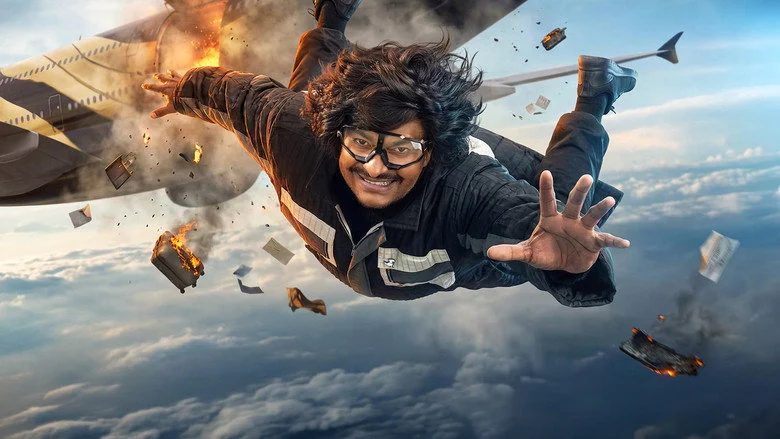
A husband trapped in marriage fracture seeks escape through infidelity abroad, only to discover that confusion and revelation don’t solve what commitment demands. David Dhawan’s latest romantic comedy trades the architecture of genuine risk for the safer machinery of mainstream Hindi family entertainment.
The premise itself carries uncomfortable weight, a man choosing desire over duty, abandoning vows for overseas romance, then scrambling when truths collide. Yet the film treats this trajectory as a playground for misunderstanding and comedy rather than a genuine moral reckoning, which is where its central gamble either lands or collapses.
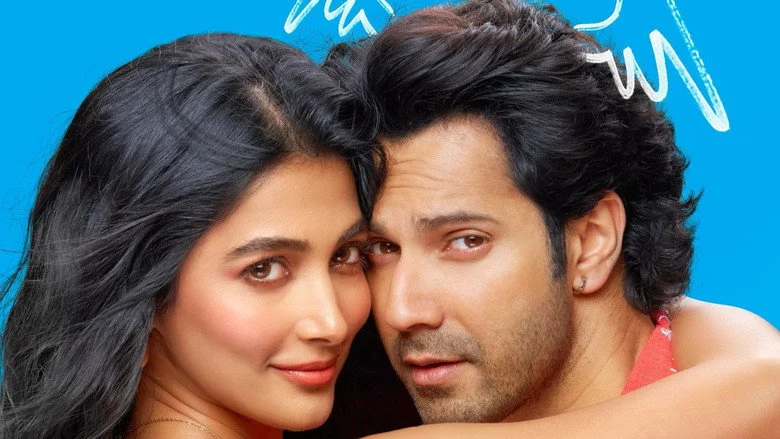
Varun Dhawan’s Performance Carries Familiar Weight Without Deepening
Varun Dhawan shoulders the entire emotional architecture here, cast as Jass, a man navigating the wreckage of his marriage while entering a new romance abroad. The actor operates within his established register, the charming, slightly confused romantic lead caught between competing desires.
Without scene-specific evidence of how Dhawan translates Jass’s internal conflict into nuance, the role risks becoming a vessel for plot mechanics rather than a character wrestling with genuine consequence. His presence alone carries enough viewer investment to sustain interest, but the question remains whether the writing allows him to venture beyond what audiences expect from him.

David Dhawan’s Direction Prioritizes Machinery Over Consequence
Dhawan has long specialized in comedy-romance scaffolding built on confusion, family collision, and sentimental revelation. Here, he frames the central conflict, marriage breakdown, separation, new romance, shocking truth, as a sequence of comedic escalation rather than genuine character crisis.
The strength lies in his command of rhythm and mainstream appeal; the screenplay by Yunus Sajawal, Sachin Kumar Singh, Dhawan, and Farhad Samji assembles the expected beats efficiently. The weakness emerges in the absence of any moment suggesting the film asks uncomfortable questions about its protagonist’s choices or takes real positions on infidelity and commitment.
Comedy-Romance Execution Leans on Confusion Rather Than Authenticity
The opening establishes marital strain between Jass and his wife Bani, a setup that normally signals emotional honesty. Instead, it functions as the launchpad for comedic mismanagement, a strained marriage isn’t resolved; it’s abandoned in favor of pursuing escape.
The overseas romance sequence, presented as a turning point, appears designed to escalate confusion rather than explore genuine emotional complexity. A man discovering new love while married demands either tragic weight or real satirical bite; this film seems to do neither consistently.
The revelation-driven sequence that disrupts the romantic trajectory signals the film’s final act machinery. Without clarity on what those revelations actually are, the structure reads as familiar romantic-comedy problem-solving: complications arise, misunderstandings dominate, and truths emerge to reset the emotional playing field. This is genre competence, not risk.
Readers interested in Hindi comedy architecture can explore further through our collection of Hindi Romance reviews examining how mainstream entertainers balance formula and surprise.
Supporting Cast Anchors Emotional Beats Without Distinction
Maniesh Paul, Chunky Panday, Jimmy Sheirgill, and Mouni Roy occupy the supporting framework, though their specific contributions remain unclear from available material. Their casting signals a commitment to mainstream ensemble comedy, familiar faces designed to amplify the family-drama machinery rather than complicate it.
Mrunal Thakur and Pooja Hegde enter as romantic counterweights, each likely representing a different version of what Jass desires. Without scene clarity, their arcs appear functional rather than fully realized, they exist to mirror the protagonist’s conflicted choices rather than pursue their own complexity.
Audience Reception Will Determine Whether Formula Feels Dated
The film targets Varun Dhawan devotees and viewers comfortable with David Dhawan’s comedy-romance syntax. Its UA16+ rating and 136-minute runtime confirm mainstream Hindi theatrical positioning, suggesting the film expects to earn through family audiences accustomed to this structure.
The real test lies in whether 2026 audiences find this particular constellation of marital conflict, infidelity, overseas escape, and comedic revelation fresh or predictable. Viewers seeking experimental storytelling or high-stakes drama should redirect their attention elsewhere. Those comfortable with formulaic romance machinery will find exactly what they anticipate.
If this film lands with audiences, it succeeds through familiarity and Varun Dhawan’s inherent watchability. If it falters, the blame settles on a screenplay that refuses to ask uncomfortable questions about its protagonist’s moral standing or let comedy emerge from genuine character contradiction. The gap between formula executed competently and formula that justifies its own existence is where this film either thrives or fades into the noise of mainstream release cycles. For seasoned viewers skeptical of romantic comedy’s ability to address infidelity seriously, this feels like a calculated skip unless Dhawan’s charm proves irresistible in person.
The film signals its thematic interest in relationship conflict alongside Monkey Cage review, though one examines trust through accusation while the other explores it through romantic entanglement.
Hai Jawani Toh Ishq Hona Hai functions as competent mainstream entertainment for its intended audience, though it never risks the positions necessary to claim more, a solid 2.5/5 for genre loyalists, a skip for viewers wanting their romantic comedies to challenge rather than reassure.
Both films share David Dhawan’s sensibility for ensemble comedy architecture explored in Mollywood Times verdict, though each approaches character conflict through different emotional registers.