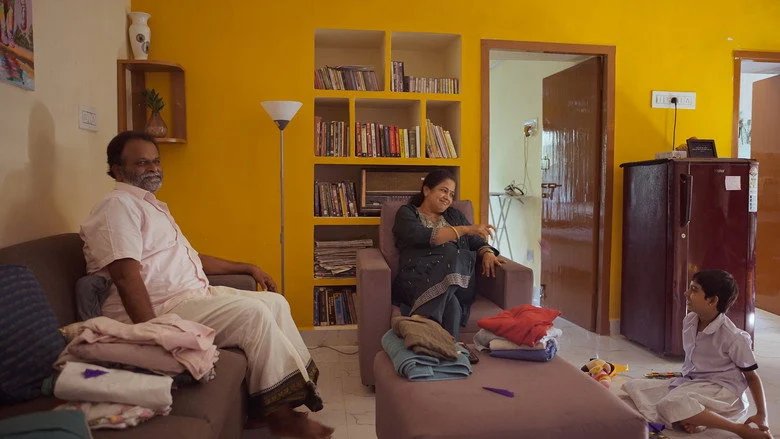
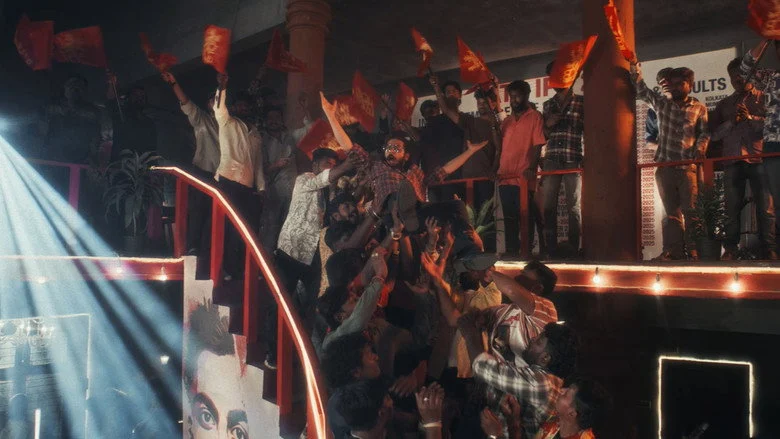
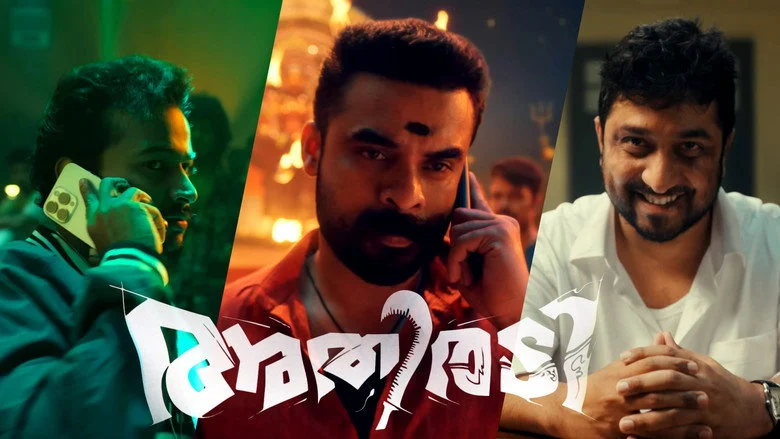
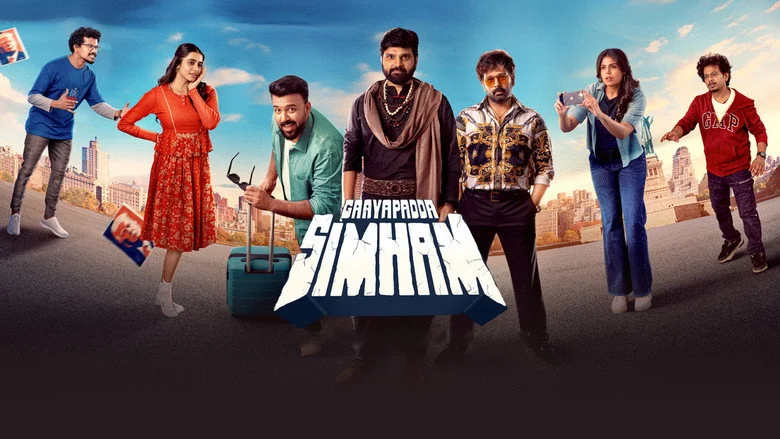
A teenager from Kuttikkanam walks up to his father with a single, desperate request: buy me a video camera. Vineeth Madhavan’s ambition is narrow, laser-focused, and achingly familiar, he wants to direct films, and he wants to start now. What unfolds in Mollywood Times is less a conventional coming-of-age story and more a love letter written by someone who knows exactly how corrosive that love can be.
Abhinav Sunder Nayak’s film positions itself as something deliberately sideways to the usual cinema-worshipping narrative. This is meta without being smug, earnest without being naive. Naslen carries the weight of that tonal tightrope with surprising maturity, anchoring every scene in the specific ache of youthful ambition colliding with real-world friction.

Naslen’s Vineeth Lives in the Gaps Between Want and Reality
Naslen’s performance as Vineeth Madhavan works because it avoids the trap of playing aspiration as pure inspiration. When Vineeth begs his father for that video camera, there’s no tremor of melodrama in the ask, just need, plainly stated. The actor understands that a teenager’s hunger for cinema isn’t romantic; it’s practical, physical, sometimes awkward. He inhabits the character’s impatience without making it obnoxious. That calibration matters enormously in a film this intimately scaled.
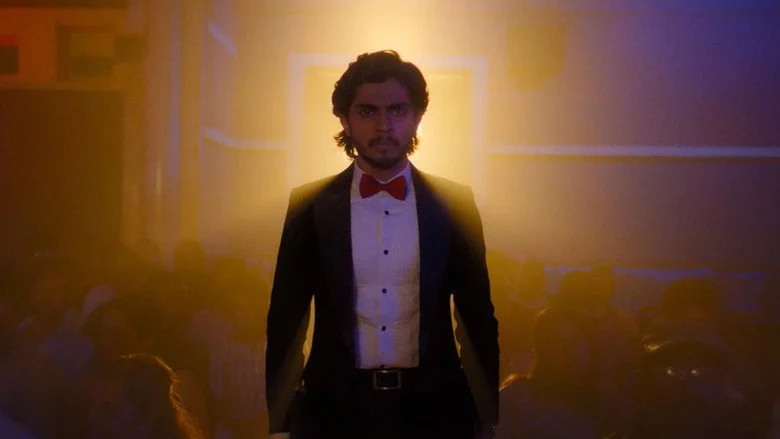
Nayak Captures Filmmaking’s Paradoxes Without Easy Answers
Director Abhinav Sunder Nayak frames the entire film around a single paradox: a first film must be unforgettable, yet most first films are hesitant, compromised, half-formed. The screenplay by Ramu Sunil leans into that tension. Where the direction excels is in the teaser’s confidence, the horror short-film planning, the dialogue about fear creating history, suggesting a filmmaker unafraid of letting comedy and gravity coexist. What remains less certain is whether the full narrative sustains that balance across its 168 minutes; the available material doesn’t confirm the second and third acts’ tonal consistency.

The Comedy-Drama Architecture Resists Easy Genre Categorization
Mollywood Times works as comedy-drama because it refuses the false choice between laughing at Vineeth and rooting for him. The camera-request scene pivots on family economics and paternal doubt, material inherently comedic but never cruel. When Vineeth and his cohorts begin planning a horror short, the self-awareness crackles. The film knows that teenagers making horror films is funny precisely because they’re so serious about it.
The second gesture, the one about making something that will be “recorded and remembered in history, ” signals Nayak’s thematic ambition. That’s not just coming-of-age desire; that’s the existential weight cinema carries for the young, the belief that making a film is a form of immortality. The film doesn’t deflate this belief, but it doesn’t sanctify it either.
What emerges across the teaser material is a coming-of-age film willing to examine cinema-making as both liberating and potentially isolating. The composition of scenes, the placement of dialogue about first films being permanent, these choices suggest craft awareness. Whether that survives the full runtime, or whether the middle sections lose focus, remains the central unresolved question.
Malayalam cinema enthusiasts and coming-of-age genre devotees may want to explore more work from this director and era.
Sharafudheen and Sangeeth Prathap Anchor the Ensemble Without Overshadowing
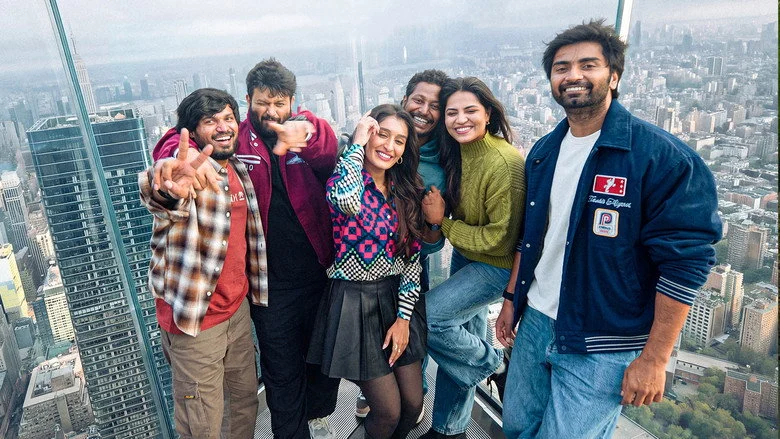
Sharafudheen and Sangeeth Prathap occupy crucial supporting roles, though the available material reveals little about their specific scenes or functions. Their casting signals intent: both are performers comfortable with ensemble work and nuanced comedy. That Naslen shares frame space with them suggests a film less interested in solo heroism and more invested in collective teenage ambition.
No Documented Controversy, But Reception Remains Measured
Mollywood Times arrives without the baggage of political scandal or censorship wrangle. What’s absent is any premature critical consensus. The film sits in a zone of genuine uncertainty, premise-driven interest without verified audience verdict. That’s neither damning nor encouraging. It’s simply honest.
If you’re drawn to Malayalam cinema that treats filmmaking itself as character development rather than plot device, Mollywood Times merits a theatrical viewing. The film’s 168-minute runtime demands patience, but Naslen’s grounded performance and Nayak’s thematic clarity suggest the investment may pay dividends. Watch it in a standard cinema, where the intimacy of the performances will land strongest.
Mollywood Times functions as a sincere, character-driven examination of teenage filmmaking ambition, anchored by Naslen’s understated work, a respectable if tentative debut feature that earns curiosity if not guaranteed devotion, landing at around 3 out of 5 stars.
For viewers interested in how first-time directors approach the meta-cinema space, Ontari E-Kaki explores similar territory through a different cultural lens.
Naslen’s commitment to grounded performance here echoes the disciplined approach we see in Peddi, where conviction over spectacle drives the narrative forward.
Readers looking for more malayalam drama reviews can explore them on Movierulz 2026.