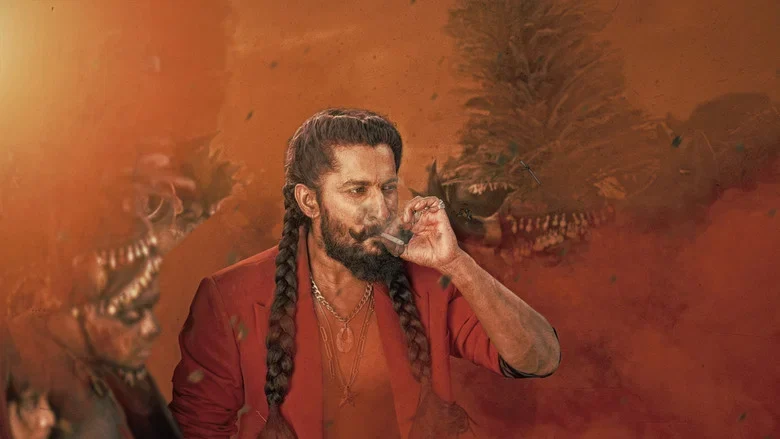
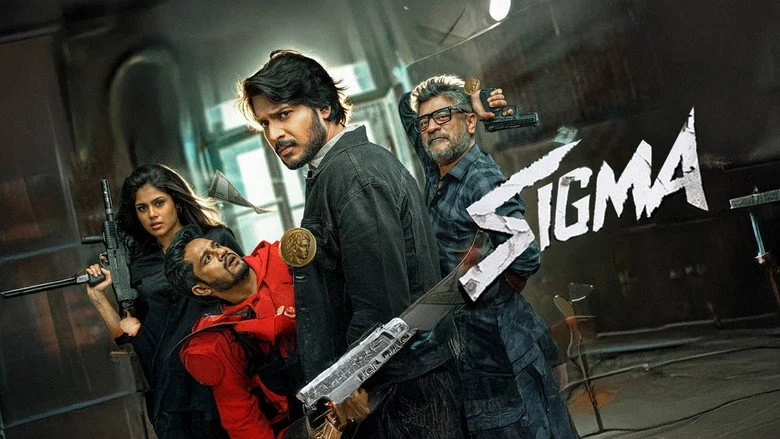
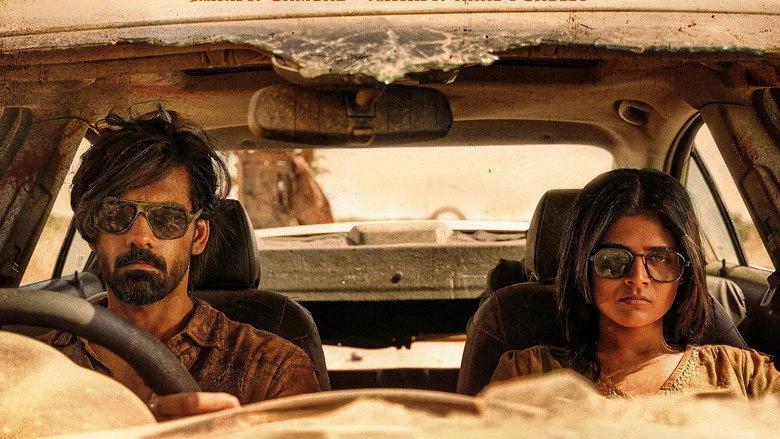
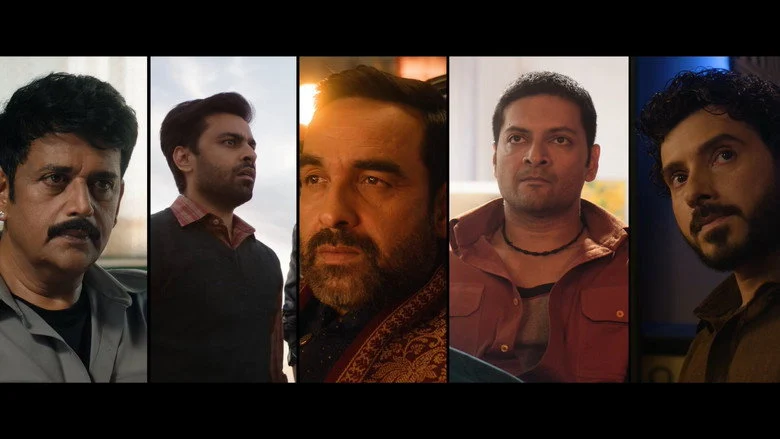
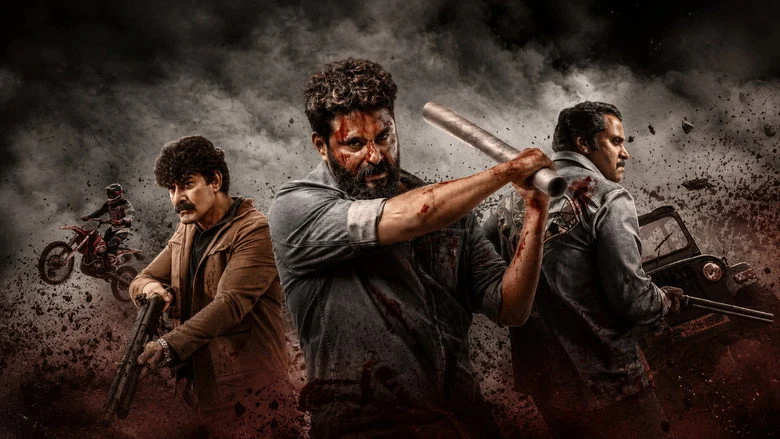
High-profile murders blanket the city in darkness, each victim linked to a shadowy crime the investigators have yet to uncover. Just as the case seems to close with an arrest, the killings resume, and the conspiracy deepens into something far more sinister than a single killer’s rage.
Valluvan arrives as a craft-first Tamil thriller that prioritizes procedural momentum over emotional investment. Director Shankar Sarathi constructs a murder-investigation narrative with deliberate layering: murders, arrest, continuation, revelation. The architecture is sound. The execution, however, remains bound to its own structural limitations.
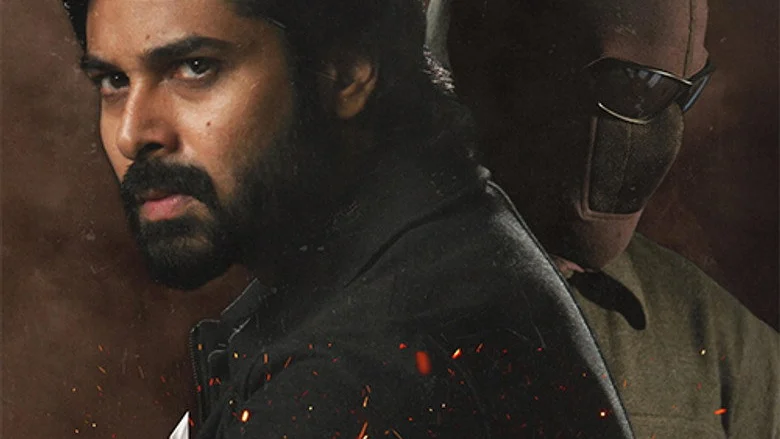
Chethan Cheenu Carries the Investigation Without Breaking Through
Chethan Cheenu anchors the film as the lead investigator tasked with unraveling a case that refuses to close. His presence provides steady narrative continuity, though the sources do not reveal whether his performance commands the screen with nuance or merely occupies it with competence. The role demands a detective caught between procedure and obsession, a tension that either defines or defeats a thriller’s emotional core.
Shankar Sarathi’s Direction Privileges Plot Mechanics Over Psychological Texture
Sarathi’s screenplay and direction follow a linear murder-investigation architecture: initial crimes establish stakes, an arrest appears to resolve the case, the killings persist, and a deeper conspiracy surfaces. This structure is mechanical rather than surprising. The strength lies in its clarity, audiences always understand what is happening and why the investigation must continue. The weakness emerges in the space between plot points: character motivations, investigator psychology, and the emotional weight of exposure remain largely unexplored.
The Thriller Structure Builds Suspense Through Layered Deception
Valluvan constructs its thriller mechanics around a two-phase revelation: first the arrest of an alleged killer, then the discovery that the murders continue. This creates a secondary mystery layer. The premise hinges on a hidden crime linking all victims to something larger than individual grudges.
The conspiracy element signals intent toward psychological complexity. The sources confirm that investigators uncover a dark secret connecting the victims to an unspeakable crime, a structural choice that demands both procedural credibility and emotional stakes. Whether Sarathi delivers this balance through visual storytelling or merely through exposition remains unclear from available evidence.
The action-thriller hybrid classification suggests physical conflict punctuates the investigation itself. A film marketed as both action and thriller must justify why combat or sequences serve the mystery rather than interrupt it. The sources offer no scene-specific evidence that this integration succeeds or falters.
Tamil action-thriller reviews often examine how violence illuminates character or consequence rather than existing for spectacle alone. Whether Valluvan achieves this distinction is a question the film’s early reception will answer.
Ashna Zaveri, Boxer Dheena, and Supporting Players Remain Dramatically Tethered
Ashna Zaveri appears in a credited role without clear character function or dramatic purpose evident from available materials. Boxer Dheena, Prem Kumar, and Karate Raja populate the cast list, their contributions undefined by plot summary or scene detail. Supporting actors in a thriller typically either complicate investigation or harbor secrets. The sources reveal neither dynamic, leaving their dramatic weight uncertain.
No Verified Controversy, Only the Ordinary Risks of Genre Convention
Valluvan carries no documented political, social, or censorship controversy. The absence of external conflict leaves the film’s reception dependent entirely on craft execution and audience expectation management. For a January 2026 release in Tamil cinema, this neutrality is unremarkable, and, paradoxically, makes the film’s commercial viability hinge on word-of-mouth credibility alone.
Shankar Sarathi’s thriller arrives without the safety net of franchise recognition, star power, or prestige direction. It must succeed on screenplay architecture and performance authenticity. The structural bones are sound: a murder mystery that deepens beyond its apparent resolution is a proven template. Whether Sarathi invests in the psychological and emotional spaces between plot turns, or merely rushes through them, determines whether Valluvan justifies its 129-minute runtime.
The film demands a theatrical experience, where the procedural rhythm and visual storytelling can sustain tension across a full narrative arc. For Tamil thriller audiences who prize investigative logic and narrative credibility, Valluvan presents a measured gamble: competent genre machinery without confirmed artistic distinction.
Thematically adjacent exploration of hidden motivations and conspiracy detection can be found in Moondraam Kan review, which similarly examines how detection unveils layered deception.
Valluvan is a serviceable thriller that constructs mystery through plot mechanics rather than character psychology, competent but not compelling, a 2.5 out of 5 for those who prioritize procedural clarity over emotional resonance.
Memory and temporal structure shape narrative tension in ways worth revisiting through Charukesi verdict, which explores how fragmented awareness deepens mystery differently.