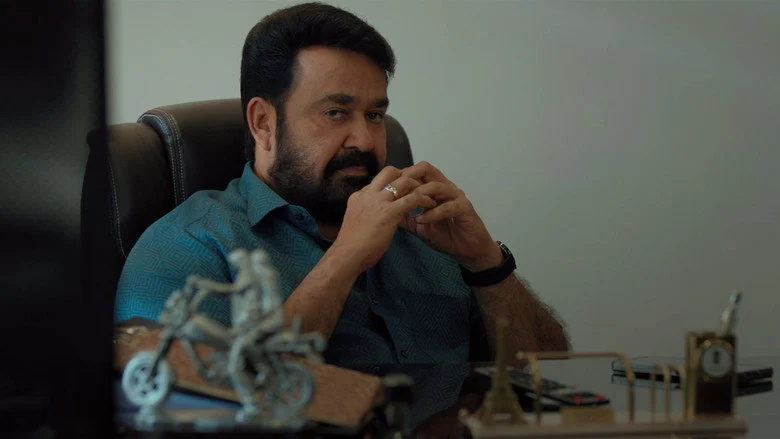
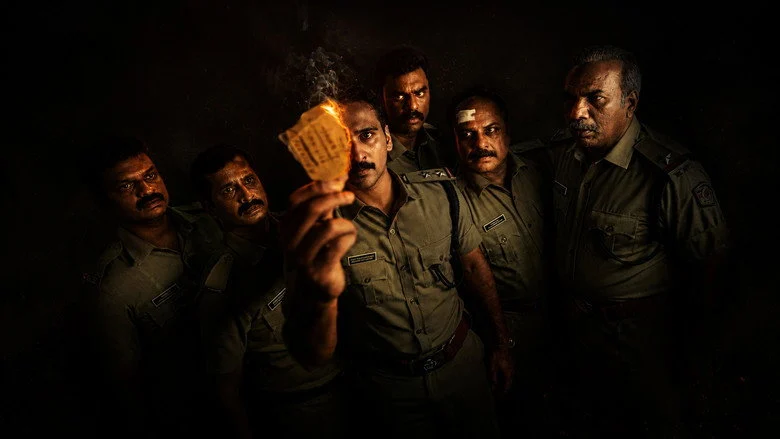
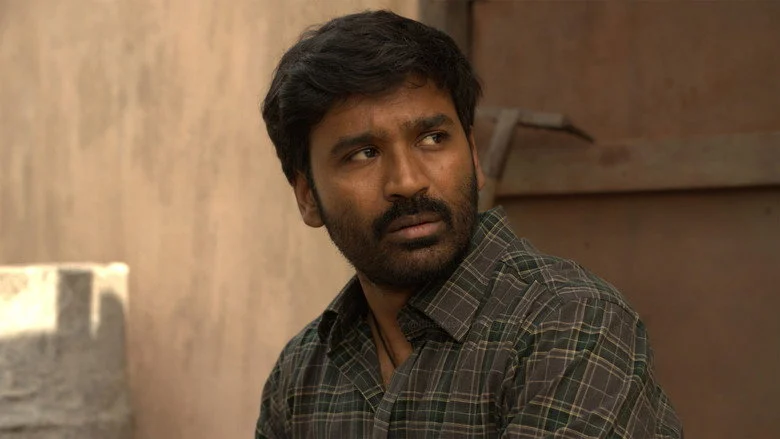
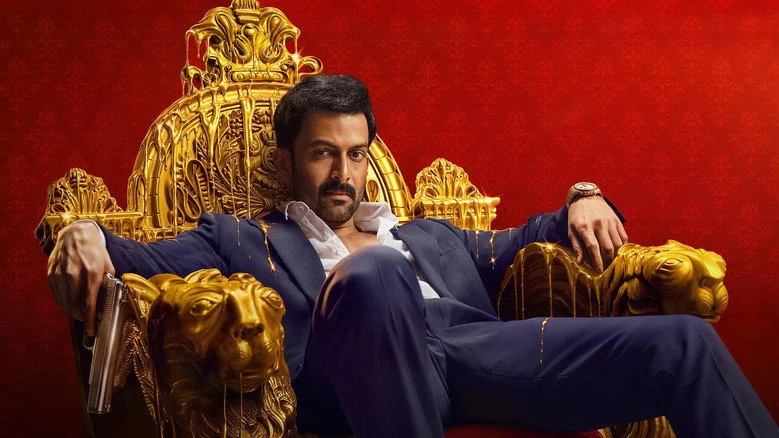
A factory manager lies dead, and the investigation spirals outward into a web of interconnected suspects, each carrying their own grudges and secrets. Sago Ganesan’s Moondraam Kan abandons the comfort of a linear whodunit, instead asking an uncomfortable question: not who killed, but why so many people wanted to.
This is a hyperlink crime thriller built on ambition rather than restraint. The film refuses to settle for simple villainy, instead mining drama from buried resentment and fractured relationships that preceded the murder itself. Whether that structural gamble pays off is where Ganesan’s vision either crystallizes or fragments.
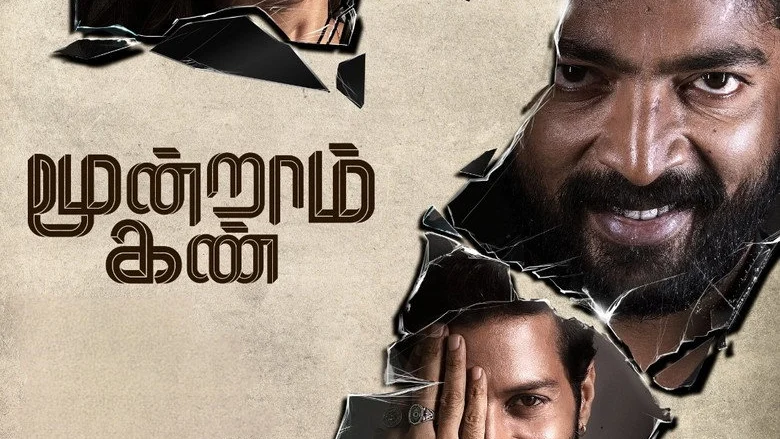
Kalaiyarasan carries the investigation’s moral weight
As the lead, Kalaiyarasan anchors a multi-thread narrative that could easily unravel in lesser hands. His presence stabilizes the hyperlink structure, grounding the audience through the tangle of competing motivations. The casting signals a film less interested in heroic lead acting and more focused on ensemble investigation.
Ganesan chooses motive complexity over narrative clarity
The director’s strength lies in his willingness to center the investigation on psychological entanglement rather than procedural mechanics. Yet this choice creates an inherent structural problem: a hyperlink crime thriller demands exceptional screenplay precision to prevent plot lines from feeling scattered. The film’s architecture, connecting multiple suspects through shared trauma, is ambitious, but ambition without execution discipline can feel indulgent.
Crime-thriller mechanics strain under motive-heavy storytelling
The genre’s core promise, a puzzle to solve, gets reframed here as a character study wearing a thriller’s skin. Rather than tracking evidence chains and logical deduction, the film asks viewers to absorb layers of personal grievance, workplace dysfunction, and hidden histories. This approach demands tighter screenplay control than a traditional whodunit.
Ganesan’s hyperlink structure intersects multiple investigation threads, each carrying its own emotional weight. The gamble is that layered motive becomes more compelling than linear mystery. The risk is that it fragments focus and dilutes dramatic momentum. A crime thriller lives or dies by whether audiences trust the investigative logic beneath the emotional layers.
The film builds its drama from buried resentment and trauma linked to the victim, a foundation that requires characters to feel fully realized rather than merely functional. When a hyperlink thriller works, viewers feel they’ve uncovered something true about how violence emerges from ordinary relationships. When it doesn’t, the structure feels like an excuse for narrative inconsistency.
Santhosh Prathap and Vidharth navigate ensemble geometry
In an ensemble investigation, supporting actors bear the burden of making their suspects feel necessary rather than interchangeable. Santhosh Prathap and Vidharth join Kalaiyarasan in a three-actor configuration that suggests the film trusts its cast to sustain complex character dynamics. The casting of Trikun in a supporting role adds depth to the suspect pool, each performer expected to convey hidden motives beneath surface interaction.
Tamil crime thrillers navigate uneven critical terrain
The Tamil thriller landscape has shifted toward audience-driven reception rather than critical consensus, particularly for ensemble-investigation narratives. Moondraam Kan arrives as a film designed for viewers who reject straightforward linear plots and embrace the work required by hyperlink storytelling. Those expecting a light commercial entertainer will find the motive-centered drama alienating.
I find myself caught between respecting the film’s structural ambition and questioning whether that ambition serves the narrative or merely complicates it. A hyperlink crime thriller succeeds when the intersecting threads feel inevitable rather than imposed. Ganesan’s choice to prioritize motive over mystery is philosophically sound; whether the execution justifies the risk remains the central question.
Watch Moondraam Kan if you trust ensemble investigation narratives and aren’t looking for neat resolution, this film prioritizes psychological entanglement over plot satisfaction. Skip it if you need a crime thriller’s traditional puzzle-box mechanics to stay engaged.
Tamil crime reviews offer a window into how regional thrillers are evolving, and Moondraam Kan deserves attention as part of that conversation, explore Tamil Thriller reviews for deeper context.
Moondraam Kan (2026) is a risk-taking hyperlink crime thriller that values motive over mystery, making it a compelling watch for thriller audiences willing to meet Ganesan’s ambition halfway, a solid 3.5/5 for those who embrace narrative complexity.
Charukesi similarly risks sacrificing commercial beats for character-driven storytelling, diving deep into Charukesi review.
Double Occupancy shares this film’s willingness to test genre boundaries through ensemble casting and layered character work, proving that Double Occupancy verdict.