A 95-year-old hand trembles on a hospital bed in Chandigarh, lips moving against the white noise of a family too busy to listen. “Main vaapas aaunga, ” Ishar Singh Grewal whispers, and with that single, broken incantation, Imtiaz Ali opens his most ambitious film. This is not just a return to form; it is a return to the brutal, beautiful geography of memory and loss.
Naseeruddin Shah’s Tremor Tells the Real Story
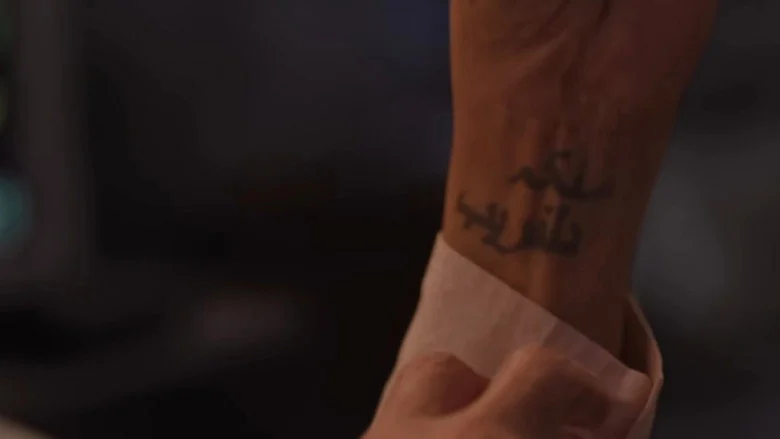
Shah’s performance is the film’s gravitational core. He plays dementia not as a trope but as a physical language, the slight, involuntary tremor in his hand, the way his eyes search spaces for people who vanished decades ago. In the climax revelation scene, where Nirvair tells him Afsana died waiting, Shah’s face collapses inward before it releases. It is the kind of acting that leaves a room silent.
He does not perform grief; he inhabits the hollowed-out space love leaves behind. That single scene justifies the 2-hour-46-minute runtime entirely.
Imtiaz Ali’s Glass Is Half Full, Half Blurry
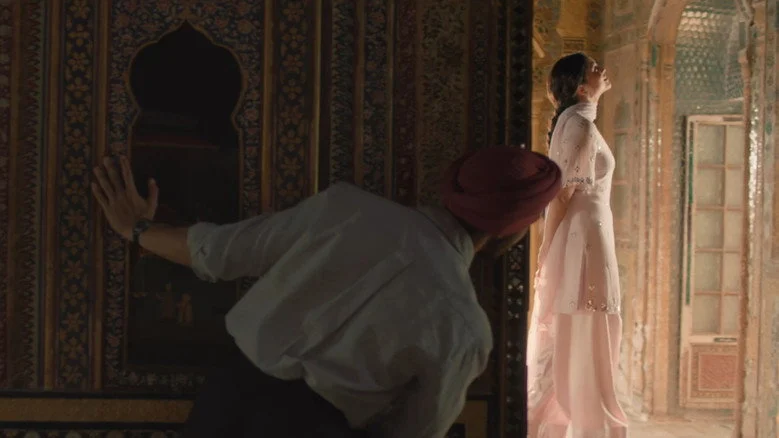
The director’s strength has always been old-school romance, and the undivided Punjab flashback is drenched in it, warm golden tones, a meeting that feels fated, a score that aches. But his non-linear screenplay stumbles in the middle act. The timeline transitions grow disjointed, as if the editor lost the map between 1947 and the present. Some character motivations in the flashback feel sketched, not written. The craft is evident, but the rhythm falters.
Ali trusts his audience to follow the fractures of memory, yet the second half’s uneven pacing tests that trust. A tighter middle act would have elevated an already affecting narrative.
Romantic Drama in a Land That Forgot Love
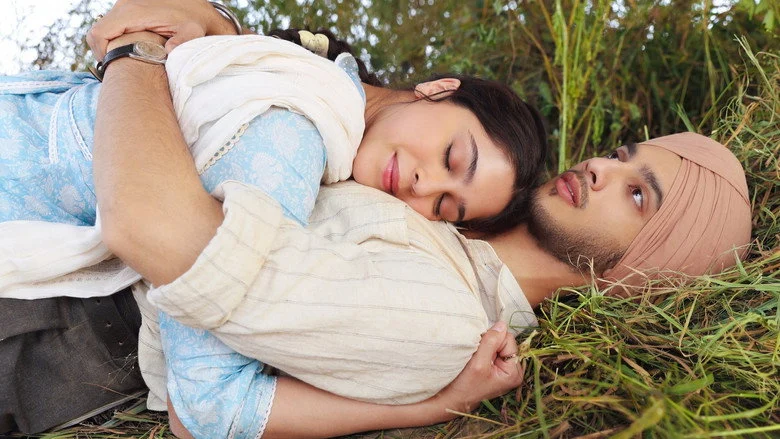
The core romance between Young Ishar and Afsana is built on innocent, tactile beats, an accidental touch during a harvest festival, stolen glances across a courtyard. A.R. Rahman’s music does not merely accompany these scenes; it deepens the ache. The first meeting scene captures the genre’s promise of eternal love with a purity that feels earned.
Yet the film’s genre resilience comes from its refusal to soften history. The Partition is not a backdrop; it is a wound that bleeds through every frame. When the violence tears them apart, the film shifts from romance to a meditation on displacement.
What holds it together is the emotional resolution. The climax revelation scene where Ishar learns Afsana died waiting transforms longing from a weakness into a monument. The drama genre demands a cathartic payoff, and this film delivers it, just not without testing the viewer’s patience first.
For more such deeply felt storytelling, browse our Hindi Drama reviews.
Vedang Raina, Sharvari, and the Weight of Youth
Vedang Raina and Sharvari carry the past timeline with a sweetness that makes the eventual rupture devastate more than it should. Raina brings a wide-eyed earnestness to Young Ishar, particularly in his first meeting with Afsana, where he fumbles words and hands with equal clumsiness. Sharvari’s Jiya/Afsana is more than a love interest, her eyes carry the weight of a woman who knows exactly what she is losing. Their chemistry feels lived in, not manufactured.
Diljit Dosanjh, as Nirvair, grounds the present-day arc with empathy and restraint. He does not compete with Shah’s towering presence; he holds space for it. His quiet investigation of his grandfather’s past becomes the audience’s emotional entry point.
Audience Reception and the One Discomfort
With a 92% score on Rotten Tomatoes, critics have largely embraced the film’s ambitions, praising its emotional resonance and Rahman’s score. Audience responses mirror this, with particular love for the climax and the nostalgic depiction of undivided Punjab. However, the lack of a clear human antagonist has left some viewers restless. The conflict here is abstract, time, borders, death, and not everyone buys a ticket for abstraction. The slow second half and frequent timeline jumps have drawn the sharpest complaints, and those complaints are not unfounded. One first-person observation: I found myself wishing the screenplay trusted its own present-day arc as much as it trusted the flashback.
Should You Go?
This is not a film for anyone seeking a clean plot or a villain to boo. It is for the viewer who can sit with a 95-year-old man’s longing and feel it in their own chest. Watch it in a regular theatre, in 2D, where the silence around you becomes part of the experience. Bring patience; you will need it for the middle act. Bring tissues; you will need them for the end.
Main Vaapas Aaunga is not a perfect film, but it is an unforgettable one, Imtiaz Ali’s most deeply felt work in years, and a confident 3.5 out of 5.