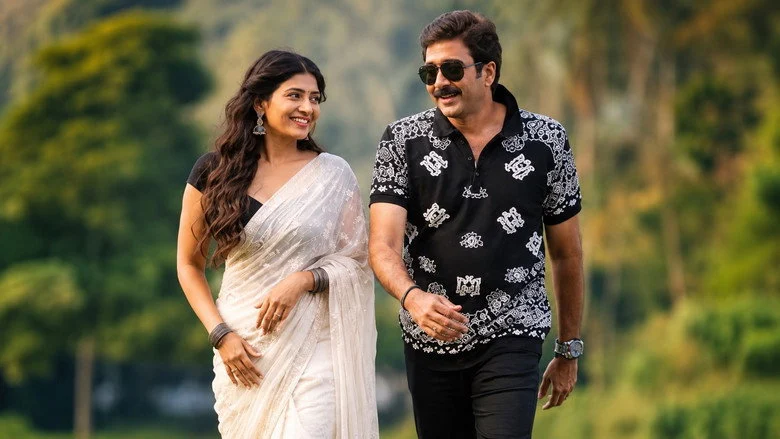
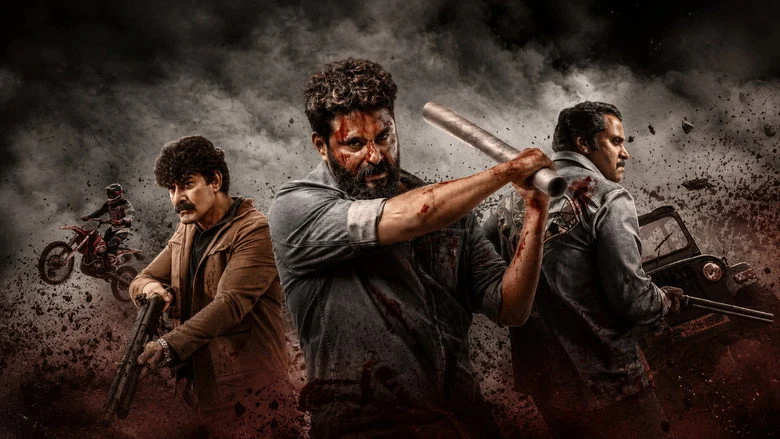
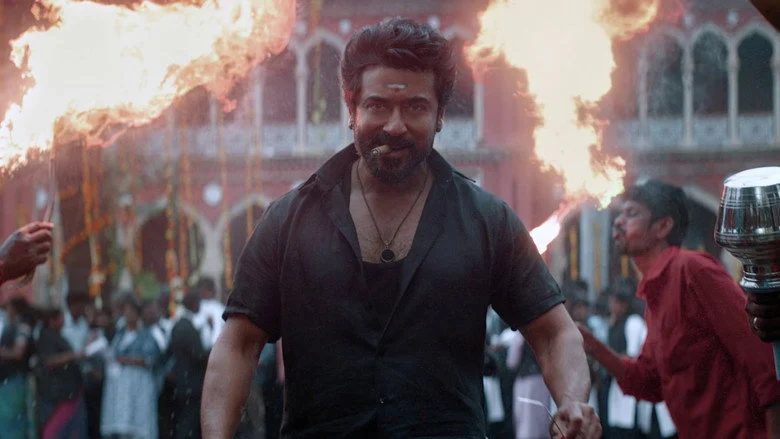
Somewhere inside the 174 minutes of Srikanth Odela’s second collaboration with Nani, there is a ferocious film about a people whom the Indian state has simply declined to see. It surfaces in fits, a stare here, a stretch of silence there, before the screenplay buries it again under its own self-importance.
Set in 1980s Secunderabad, The Paradise follows the Savaari, a tribal community stripped of citizenship, land and paperwork, and the man who rises from within them to demand all three. The premise is genuinely potent. The execution, for long, punishing stretches, is not.
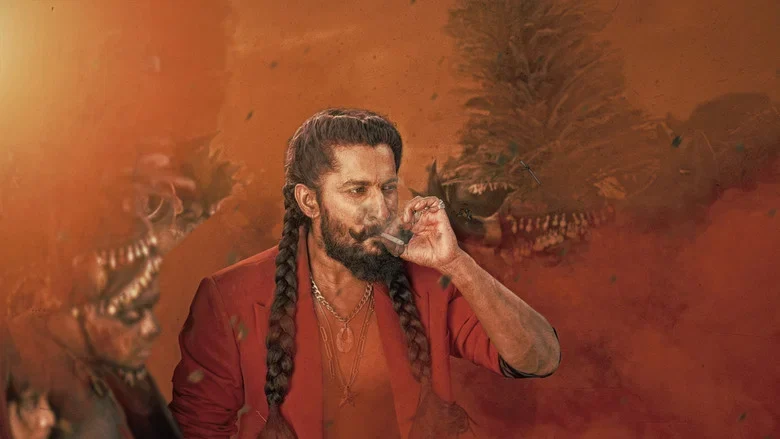
When Oppression Is Stated Rather Than Felt, the Audience Stops Believing
The film opens on absence, no documents, no deed, no legal personhood, and treats this as the engine of every conflict that follows. Shikanja Malik, the feudal monarch holding the settlement in his grip, functions as both a person and a system, which is the screenplay’s most intelligent structural idea.
Except the idea is repeated to us, endlessly, in declarative lines that explain the stakes rather than dramatise them. The Savaari’s exclusion should be registered in the body’s posture, in the way a clerk’s hand hovers over a register, in what a character cannot say aloud. Instead it arrives pre-chewed, as thesis.
Just as he demonstrated a tighter spatial discipline in Irumudi, Odela clearly understands how to build a world of contained masculine pressure. What he has not yet learned is how to let that world breathe without narration explaining its own significance.
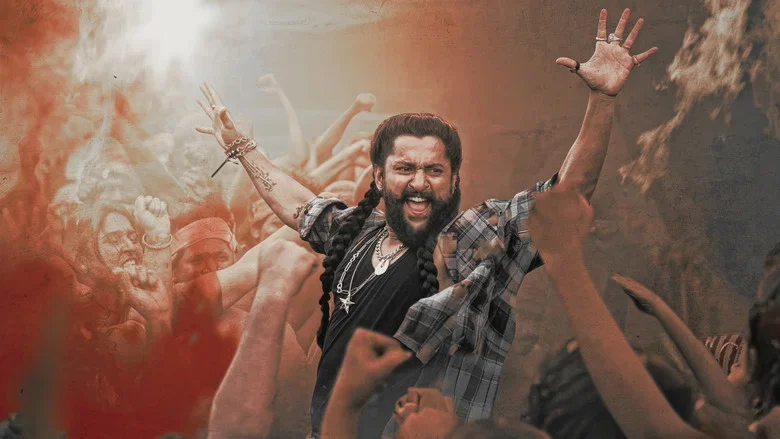
A Violent Avatar Without a Body to Inhabit
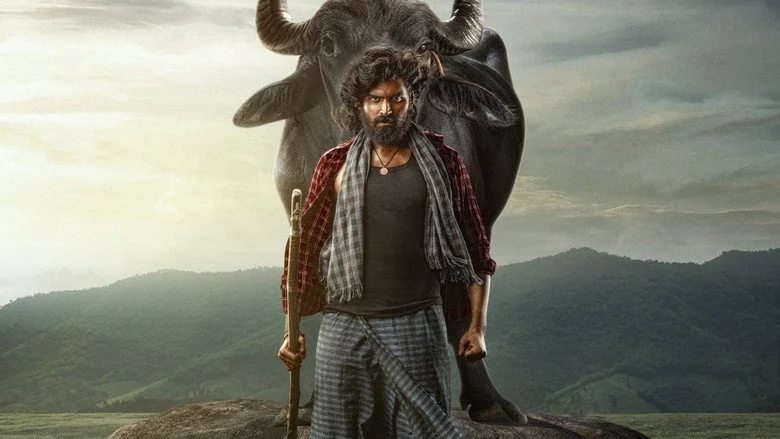
Nani’s transformation from community member to reluctant leader is the film’s emotional spine, and he plays it with a coiled stillness that the marketing has entirely misrepresented. This is not a rage performance. It is a withholding one.
Watch him in the early passages: jaw set, eyes tracking the middle distance rather than his aggressors, hands deliberately unclenched. He is playing a man who has learned that visible anger is a luxury his people cannot afford. It is a smart, restrained choice, and the camera rewards it.
The restrained physical exhaustion Nani brings to the later confrontations recalls the psychological weight of his turn in Srinivasa Mangapuram, where stillness carried more than volume ever could. Here, that stillness is frequently the only thing holding a scene upright.
Mohan Babu, meanwhile, is deployed as gravitas rather than character, present, weighted, given almost nothing to do that isn’t reactive. The surrounding ensemble of feudal relatives and settlement elders registers as texture, not people, which is a structural failure rather than a casting one.
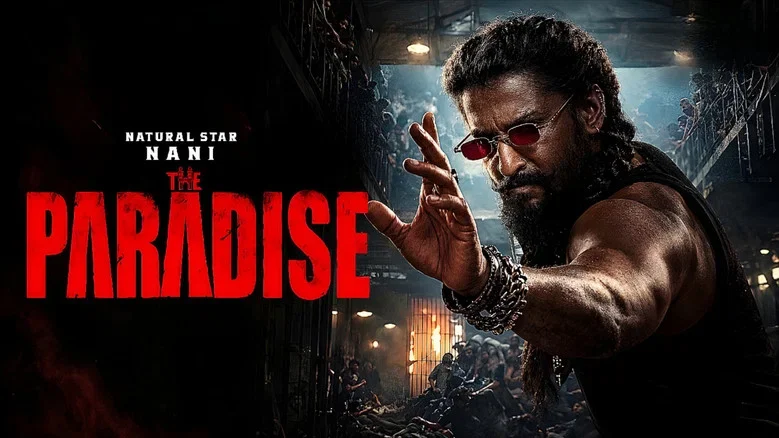
The Action Is Choreographed Around Power, Not Around Bodies
Odela’s fight construction is built on hierarchy: the settlement below, the monarch above, and the vertical space between them as a visual metaphor for caste and capital. In theory, this is a sharper approach than the kinetic sensationalism that overtook Maremma.
In practice, the staging is flat. Punches land with weight but without consequence; the camera holds wide when it should push in; the geography of the settlement is established once and then abandoned. Anirudh Ravichander’s score is doing heroic work here, carrying tension the blocking refuses to generate on its own.
That is the central imbalance of The Paradise. The music knows what the film is about. The screenplay keeps forgetting.
A Three-Hour Film That Feels Like It Is Stalling, Not Escalating
At two hours and fifty-four minutes, the film’s length is not inherently the problem, Dasara earned its sprawl through escalating stakes. Here, the first half establishes exclusion, hierarchy and leadership trajectory with reasonable patience, and the second half simply repeats that establishment at higher volume.
What’s missing is escalation. Each confrontation should narrow the protagonist’s options; instead, each one restates his position. By the final act, the community’s fight for recognition has been articulated so many times that the climax arrives as a conclusion we have already been told, rather than one we have been made to feel.
This patient, collective approach to character signals a welcome tonal maturity across contemporary Telugu thrillers, even when the film itself cannot sustain it. The ambition is real. The delivery is not.
The Ending Believes in Citizenship. The Film Never Earns That Belief.
The climax frames the Savaari’s struggle as ongoing rather than resolved, which is the correct choice, legal recognition is not a third-act prize. But the film has spent so much time insisting on the injustice that it never dramatises what winning would actually cost these people.
There is a version of this film, maybe forty minutes shorter, in which the audience walks out genuinely shaken. Instead, we walk out informed. That is a meaningful difference, and it is entirely a writing problem, not a performance one.
Nani has now delivered two consecutive turns of genuine restraint in material that does not always deserve them. As audiences tracking Ibomma Telugu release coverage will recognise, that artistic discipline is worth far more than this film’s box office will ever indicate.
Rating: 2.5 / 5
Somewhere in Secunderabad, in 1986, a man learned that being seen by the state is not the same as being recognised by it. Odela’s film knows this truth intellectually. It just never lets us feel the weight of it in our chests.