The shift from streaming to theatrical is a gamble, and the early buzz suggests the ensemble is carrying the weight. Pankaj Tripathi’s return as Kaleen Bhaiya anchors the chaos, but Ali Fazal’s Guddu Pandit provides the volatile counterweight that makes this confrontation tick.
Guddu’s arc here is less about dialogue and more about the coiled stillness before violence. Tripathi, meanwhile, plays the king who knows every move before it’s made, a dynamic that made the series famous.
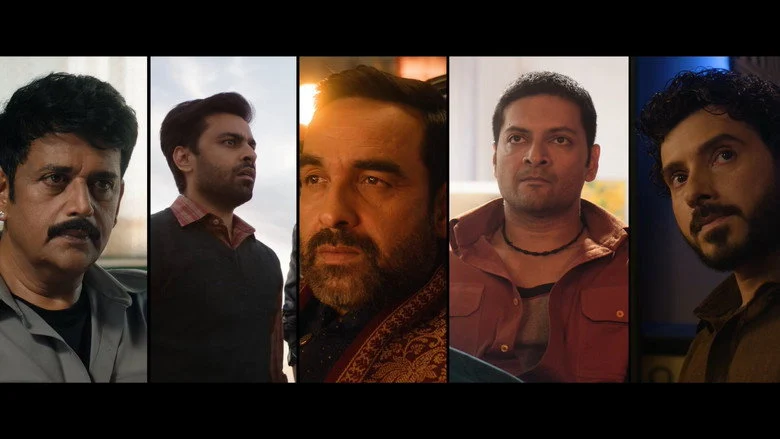
Gurmmeet Singh’s Direction Keeps the Tone, But Theatrical Scale Tests the Frame
Having helmed key episodes of the original series, Gurmmeet Singh understands the Mirzapur dialect of power. His strength is preserving that specific, dusty menace that made the show a phenomenon.
The flaw, however, lies in the translation; what worked as a slow-burn episodic rhythm can feel like a sprawling middle act without a clear climax on the big screen. The screenplay by Puneet Krishna needs a sharper theatrical spine but retains the franchise’s verbal punch.
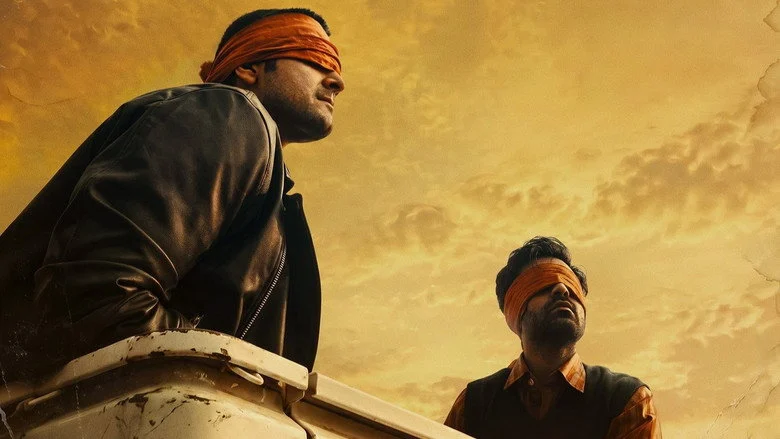
The Crime Thriller Machinery Runs on Ensemble Confrontations
The genre mechanics here are built on the collision of egos rather than elaborate heists. The film leans into gang-power conflicts that are familiar to fans, relying on the tension of who blinks first in a room full of armed men.
Without specific set-piece descriptions available, the focus shifts to the structural geography of the violence. The choreography likely mimics the series’ sudden, brutal bursts rather than balletic action, staying true to the show’s realistic grime.
What stands out is the theatrical expansion of this universe, moving from the intimate frames of a web series to a wider canvas. This expansion is a notable strength, even if the lack of a distinct cinematic visual language remains a question mark for action purists.
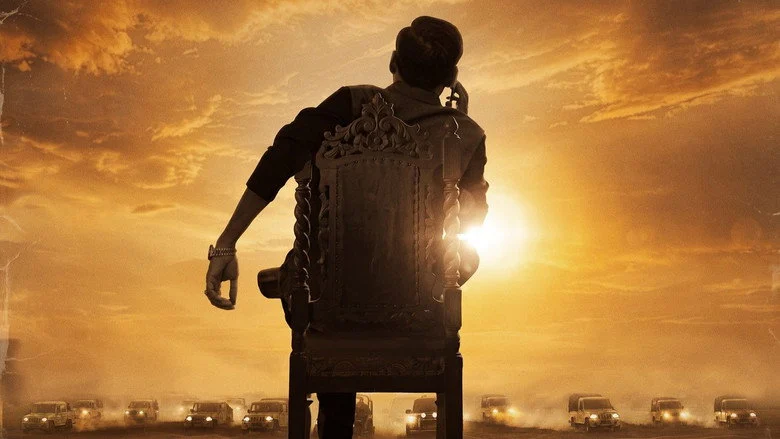
Divyenndu Sharma’s Munna and the Shifting Loyalties of the Supporting Web
Divyenndu Sharma returns as the principal volatile adversary, and his presence is crucial to the dramatic tension. His unpredictability offers a counterpoint to the calculated menace of the senior leads, keeping the audience guessing.
Shweta Tripathi Sharma’s Golu has evolved beyond the naive girl of season one, now standing as a major pillar in the power structure. Rasika Dugal’s Beena continues to play the survivalist game with sharp intelligence, while Abhishek Banerjee’s Compounder remains the loyal, creepy cog in the machine.
The casting of heavyweights like Ravi Kishan and Jitendra Kumar signals an intent to expand the political and social canvas of Mirzapur. Their undefined roles hint at a broader conspiracy that the film aims to unpack, even if the specifics remain under wraps.
Audience Expectation and the Shadow of the Original Series
The audience reaction is one of anticipation rather than verdict, with fans eager to see their favourite characters return in a new format. There is a clear expectation of continuity with the series tone, which the early positive coverage confirms was a priority for the makers.
Faithfulness to the original television series is being highlighted as the film’s primary strength, which is a double-edged sword. It pleases the loyal fanbase but raises the question of whether the film offers anything new to those who have followed the journey closely.
I suspect the real test will be whether newcomers can enter this world without the baggage of the previous seasons.
For those who haven’t had their fill of blood and betrayal, the journey from the streaming wars to the silver screen is a fascinating one to track. Browse more Hindi Thriller reviews for similar cinematic explorations.
Whether this translates into box office gold remains to be seen, but the return of the core cast ensures a draw for the mass audience. If you are a fan of the series, this is a theatrical event that demands to be seen with a crowd, purely for the collective gasps.
Mirzapur: The Movie is a must-watch for franchise loyalists, though it earns a modest 3 out of 5 for taking a safe, reverent route instead of a daring reinvention.
For a different take on ensemble-driven narratives, see how Aali review handles its character dynamics.
If the pacing leaves you wanting more, Magudam verdict offers a contrasting study in narrative structure.