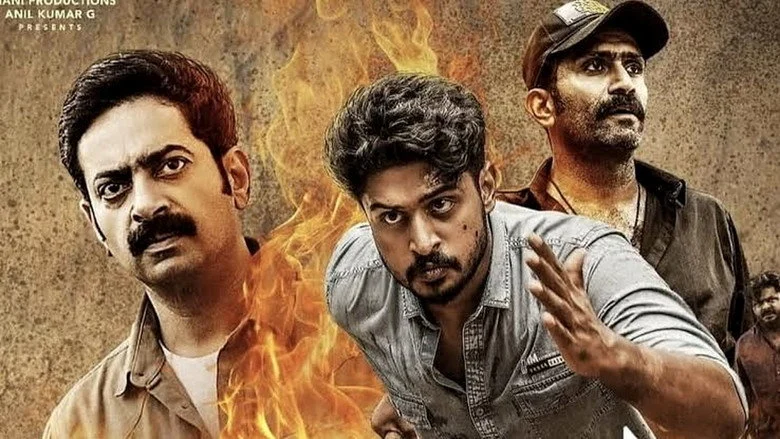
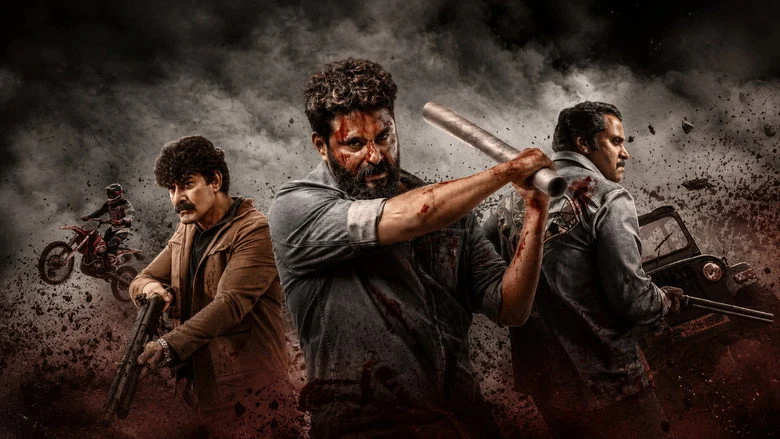
The interrogation room in a Korean police station is tense, the kind of quiet that precedes violence. A detained Indian photographer sweats under the gaze of officers who don’t speak his language, and the air is thick with misunderstanding, until an interpreter walks in, and the questions begin to flow.
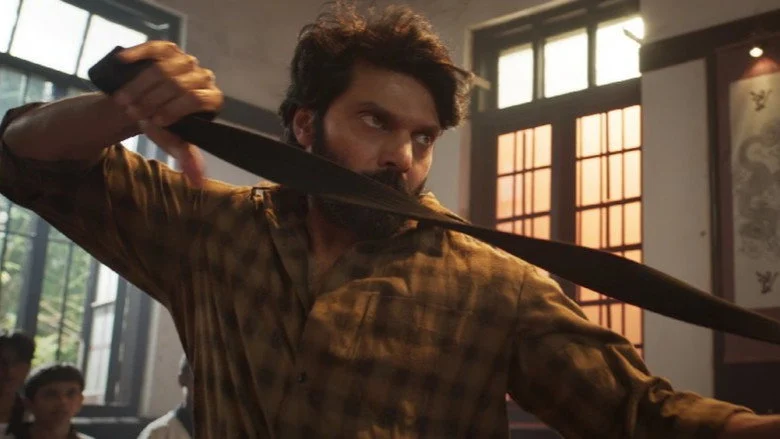
Then the full moon rises, and the possessed Kanakaraju walks into the station with a samurai sword, blue-eyed and declaring, “I’m back.” In Korean. Whatever Merlapaka Gandhi is cooking here, it is not conventional.
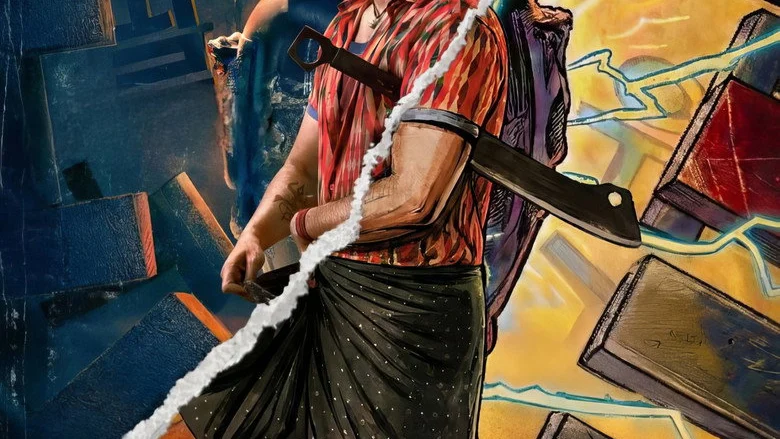
Varun Tej’s Possession Is the Film’s Pulse
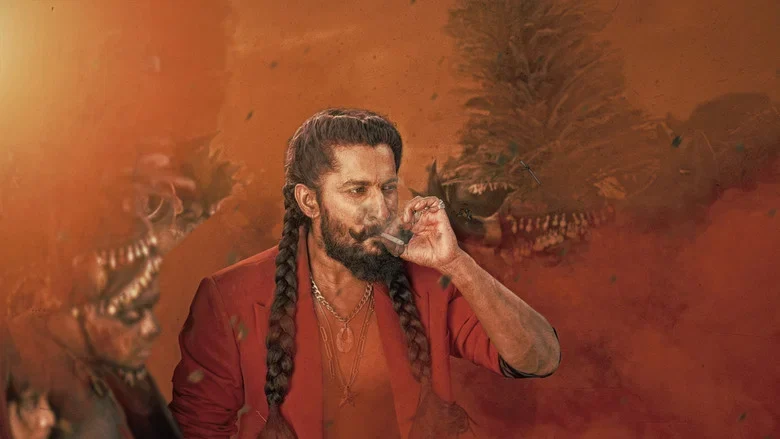
Varun Tej has always been a physical performer, but this glimpse suggests he is willing to go somewhere unhinged. The transition into the possessed state, blue eyes, sword in hand, moving through cops like they are paper, is the kind of commitment that sells a genre hybrid.
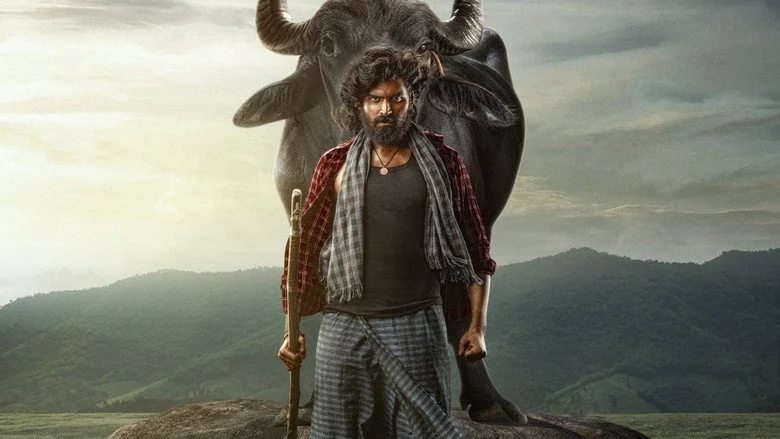
He carries the weight of a character who is both victim and monster, and the title glimpse suggests he understands the assignment: make the supernatural feel personal. If the full film matches this energy, Tej might finally have a role that lets him chew scenery without losing the plot.
Gandhi’s Direction: Ambitious Setup, Unproven Payoff
Merlapaka Gandhi is taking a swing by setting his horror-comedy across two countries, and the cross-cultural premise is genuinely refreshing for Telugu cinema. The interrogation setup leans on language barriers for comedy, which is a sharper hook than the usual haunted-house tropes.
But the risk is tonal whiplash. The glimpse moves from bureaucratic comedy to brutal swordplay in seconds, and whether Gandhi can hold that balance across a full runtime remains unproven. The screenplay appears linear so far, interrogation leading to reveal, but the middle act is a blank slate, and that is where genre hybrids usually collapse.
The Horror-Comedy Balance Is a Tightrope
The full-moon reveal is the visual centerpiece, and it works because it commits to the horror instead of winking at it. The possessed Kanakaraju is not a joke; he is a threat, and the samurai sword signals a shift into action that the comedy setup earns.
The Korean police and mafia function as the opposition, which gives the film a fresh geography for violence. The language barrier is not just a gag, it is the engine of the misunderstanding that drives the conflict forward.
Whether the comedy lands depends on how much room Gandhi gives the absurdity. The “This Kanakaraju isn’t our Kanakaraju” line suggests the film is aware of its own identity games, and that self-awareness could be its saving grace.
Ritika Nayak and Satya: The Bridge and the Buffer
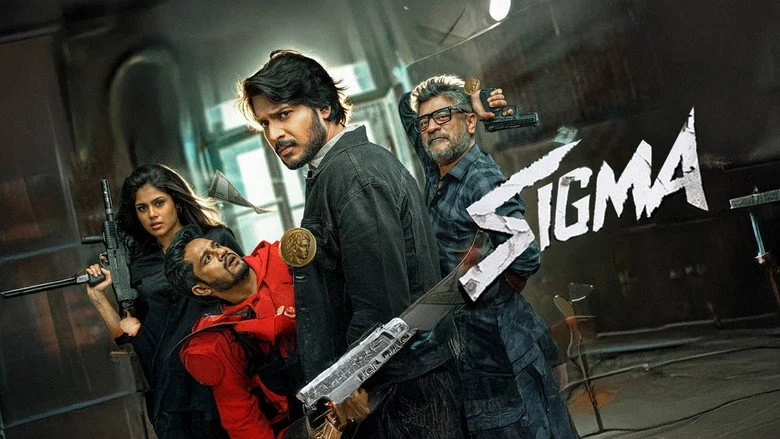
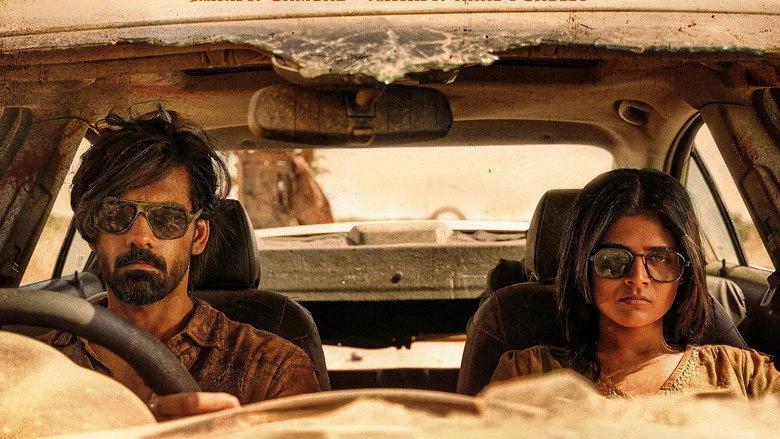
Ritika Nayak plays the interpreter, and her role is more crucial than it looks. She is the audience surrogate in the Korea-set scenes, translating both language and cultural chaos, and her presence makes the setup legible. If she can sell the exasperation of a translator stuck between a possessed man and confused cops, she will be the film’s secret weapon.
Satya appears in the interrogation setup, and his casting signals the comedy register the film is aiming for. He is a reliable buffer in Telugu comedies, and his presence in the opening suggests Gandhi wants a grounded laugh track before the horror kicks in. Neither actor has a verified scene breakdown yet, but their roles in the setup are clearly functional.
The Anticipation Game: No Reviews, All Hype
With no published critic reviews or audience scores available, the only verdict so far comes from the glimpse itself. The production scale is reported as lavish by IANS, and the Korea-set framing suggests a budget that UV Creations and First Frame Entertainments are betting big on. The film is slated for a 7 August 2026 release, and the trade will be watching whether this cross-cultural swing pays off.
There are no controversies attached to the film, which is rare for a project this ambitious. The lack of negative chatter is a small win, but it also means the film has not been tested by public scrutiny yet. The audience praise points, Tej’s possessed reveal, the interrogation setup, the genre blend, are all drawn from the same glimpse material, so the real test comes with the full picture.
For now, this is a film that lives on its premise and its lead’s commitment. I have seen too many Telugu horror-comedies drown in their own tonal confusion to hand out a pass based on a title glimpse alone, but the setup is undeniably intriguing.
If you are a fan of Varun Tej or enjoy genre-mixing entertainers, this is worth tracking. The theatrical format will be the best way to experience the full-moon sequence, and the Korea-set action deserves the big screen. For everyone else, wait for the first reviews before committing.
Korean Kanakaraju is a bold swing that needs to land its middle act, and I am cautiously curious about whether it does.
For more cross-cultural experiments and genre mashups, browse more Telugu Action reviews.
If the tonal balance works, it could share DNA with the patchy but ambitious Thudakkam review.
Varun Tej’s possessed turn might also find kinship with the rural family chaos of Ottam Thullal verdict.