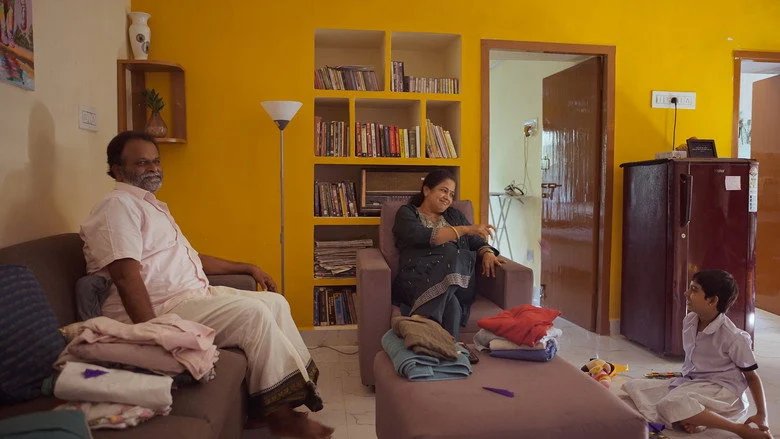
A jobless man in a northern Kerala village catches what looks like a secret meeting between neighbors. That single, fleeting sighting becomes the spark for a village-wide fixation that drives the entire 105-minute runtime of Senna Hegde’s latest black comedy.
The premise is deceptively simple, but the film’s real target is the machinery of gossip itself. This is a risk-led venture that bets everything on the uncomfortable familiarity of moral hypocrisy.

Unni Raj Anchors the Descent from Curiosity to Compulsion
Unni Raj delivers a performance that is refreshingly natural and grounded. He is most effective in the scenes where his character’s idle curiosity curdles into a quiet obsession, never overplaying the transformation.
His understated rhythm keeps the film’s comic tone intact, even as the narrative edges toward darker social commentary. The lead’s ability to remain sympathetic while participating in collective prying is the film’s quietest achievement.
Senna Hegde’s Direction: Precision Over Surprise
Hegde demonstrates a controlled tonal balance, weaving satire and realism without letting either dominate. His handling of the ensemble and the lived-in texture of the village setting is assured and confident.
However, the screenplay is less unpredictable than his earlier work, and the critique of male morality feels like familiar territory. The film is more observational than inventive, a step down in surprise factor even if the execution remains sharp.
The Genre-Core: Rumor as a Narrative Engine
The comedy here emerges from group behavior rather than punchlines. The men’s step-by-step attempt to confirm the affair blends investigative tension with deadpan humor, turning everyday suspicion into a suspense-like social farce.
The extended village inquiry sequence is the film’s most praised stretch, combining humor and social observation with a tight grip. It works because the humor remains rooted in ordinary interactions, never resorting to broad caricature.
Yet, the ending section loses some steam. Viewers found the resolution predictable and slightly preachy, a flaw that diminishes the impact of the sharp satire that precedes it.
The Ensemble: A Chorus of Moral Posturing
Ranji Kankol and Vineeth Chakyar anchor the film’s conversational realism, helping sustain the investigative dynamic with deadpan reactions. They are the backbone of the village’s collective pressure group, functioning as the film’s true antagonist force.
Vrinda Menon represents the object of scrutiny, and her presence strengthens the film’s gendered critique without requiring her to be an active participant. Dhanesh Koliyat and Rakesh Ushar add texture to the chorus of suspicion, maintaining the group dynamic that drives the plot forward.
The film’s satirical target is clear, and its execution is mostly precise. For more on how Malayalam cinema tackles social hypocrisy, browse our Malayalam Comedy reviews.
The Verdict: A Familiar Pattern with a Sharp Bite
Critics have largely praised the film’s writing. Sreedhar Pillai of Indian Express gave it a solid 3.5/5, calling it a well-written situational black comedy, while The Week went further, calling it the “Funniest Malayalam film of the year so far.”
The Hindu astutely noted that the rumor is “reminiscent of those shared in village squares of the past and now proliferate in online forums.” Onmanorama echoed that sentiment, calling it “a sharp, deceptively simple take on voyeurism and morality.”
There is no political controversy here; the film’s provocation is entirely social. The audience response has been positive regarding its natural acting and recognizable humor, though a significant portion echoed the critical complaint about the predictable ending and the familiar Hegde pattern.
Avihitham is a smartly written satire that understands its target but doesn’t always land the final blow. If you appreciate social comedy that values observation over spectacle, it’s worth your time in its regular format or on OTT. If you’re expecting a conventional thriller payoff, this isn’t it. I found the middle stretch to be its strongest, where the suspense-like inquiry structure genuinely grips you before the message takes over.
Avihitham is a sharp, well-acted commentary on village voyeurism that ultimately settles for being good rather than great, earning a solid 3 out of 5 stars.
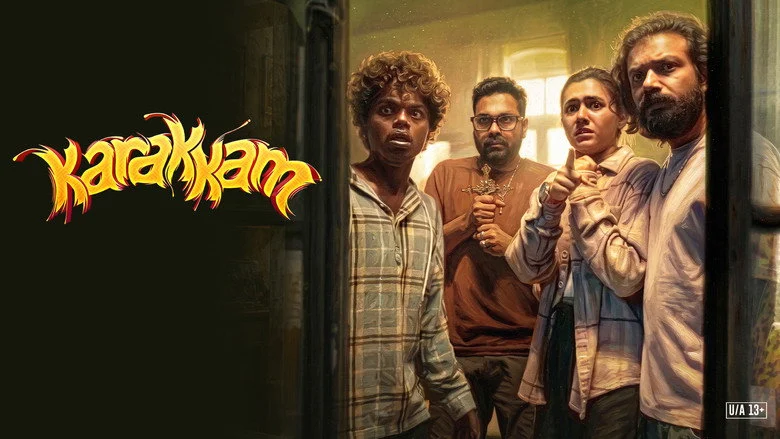
For a deeper dive into similar themes of obsession, check out Karakkam review.
If you prefer a more action-driven take on rural dynamics, explore Kattalan verdict.