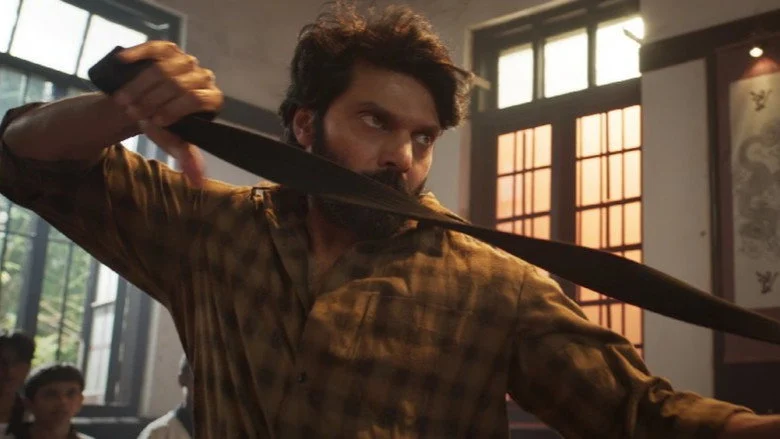
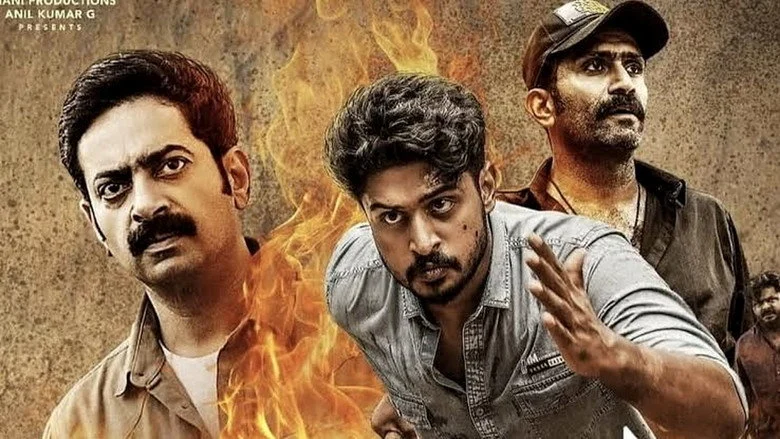
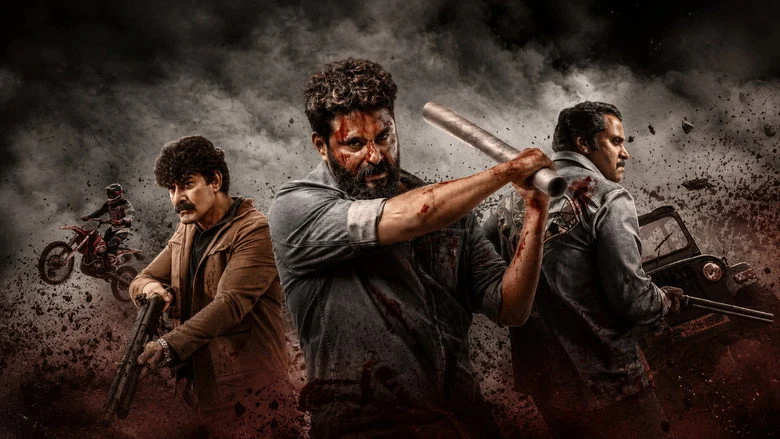
The opening hour places Sikander Mirza in Lahore, a man gripping his family as Punjab begins to splinter. The political conversations carry weight, but the emotional wiring never quite sparks between father and sons.
Deol brings his familiar physical authority to the confrontations, yet the script asks for something more vulnerable than his usual register. His best moments come when survival instinct overtakes dialogue, letting the body do the talking.
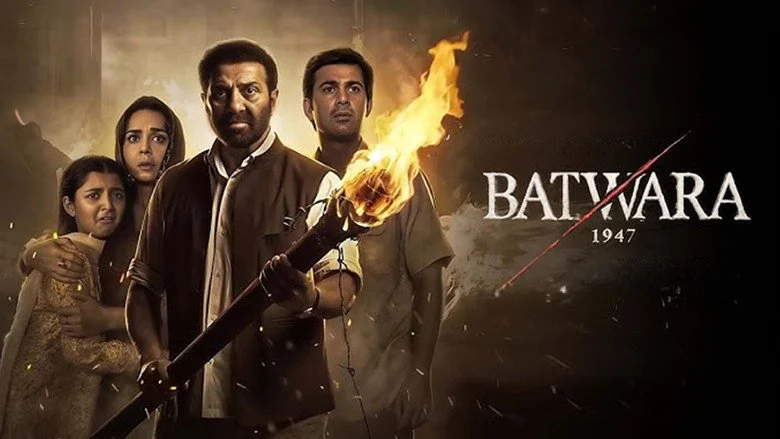
Santoshi’s Screenplay Argues Better Than It Feels
Rajkumar Santoshi has always been a filmmaker of righteous anger, and Batwara 1947 channels that into a clear-eyed historical thesis. The central metaphor around partition is powerful on paper, and the exchanges crackle with ideological intent.
But the direction struggles to translate argument into intimacy. Scenes that should devastate land with a thud because the relationships never feel lived-in, a flaw that one review from India Today called “surprisingly cold” despite the material’s potential.
Genre Execution: History As The Engine
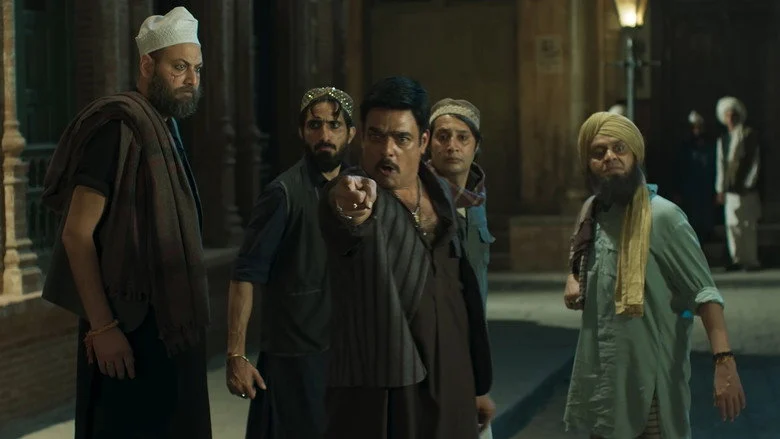
This is a period drama that trusts its political context to generate momentum rather than spectacle. The Lahore sequences establish pressure through architecture and crowds, the unrest creeping into frame like weather. Santoshi stages displacement with a documentary-like patience, letting the rupture of Punjab speak for itself.
Where the film falters is in the action-adjacent beats, which feel functional rather than cinematic. The confrontation scenes carry stakes but lack the choreographic punch of the director’s earlier work, making the drama feel staged rather than urgent.
The emotional core relies on dialogue exchanges that are idea-heavy and politically direct, which serves the thesis but starves the heart. It has all the right things to say but doesn’t know how to say them through cinema, per the India Today critique.
If you’re looking for more films that wrestle with history and identity, browse other Hindi Action reviews on our site.
Preity Zinta And Shabana Azmi Deserve Better Material
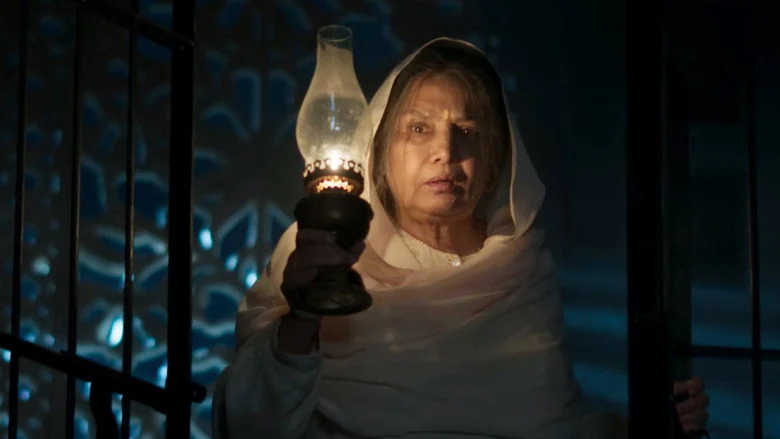
Zinta returns to the screen as Hamida, anchoring the displacement and family sections with a warmth the film desperately needs. Her presence signals a serious dramatic commitment, but the writing gives her grief to perform rather than relationships to inhabit.
Shabana Azmi’s Mai carries the generational weight, her dialogue scenes the most grounded in the film’s structure. Ali Fazal and Karan Deol fill the ensemble with historical texture, though their arcs remain serviceable rather than resonant. Abhimanyu Singh’s Yakub Khan functions as a narrative obstacle, a pressure point in the communal conflict rather than a fully realized antagonist.
Audience Reception And The Box Office Question
The film opened to ₹5.75 crore nett in India and ₹8.34 crore worldwide, as reported by India Today citing Sacnilk. Against a ₹120 crore production cost, that opening number suggests an uphill climb for a film that needs word of mouth.
Audience discussion has praised the period setting and ensemble casting while echoing the critics’ complaints about emotional distance. The political subject matter draws viewers in, but the execution leaves them at arm’s length, a frustrating paradox for a story about the deepest human fractures.
Batwara 1947 is a film you respect more than you feel, a history lesson delivered with intellectual clarity but emotional fog. The writing has ideas and the conversations have weight, yet the cinema never catches up to its own ambition. Watch it for the premise and the performances, but don’t expect the catharsis the subject demands.
For a wounded return to a familiar franchise, see how Emraan Hashmi fares in Awarapan 2 review.
Batwara 1947 earns a 2.5 out of 5 for its intellectual ambition, but the cold execution leaves this Partition drama short of the emotional devastation it reaches for.
For another family drama wrestling with loyalty and identity, check out Vishwanath Sons verdict.