A man in a red-and-blue suit drops onto a rain-slicked New York fire escape. No one looks up because no one knows his name.
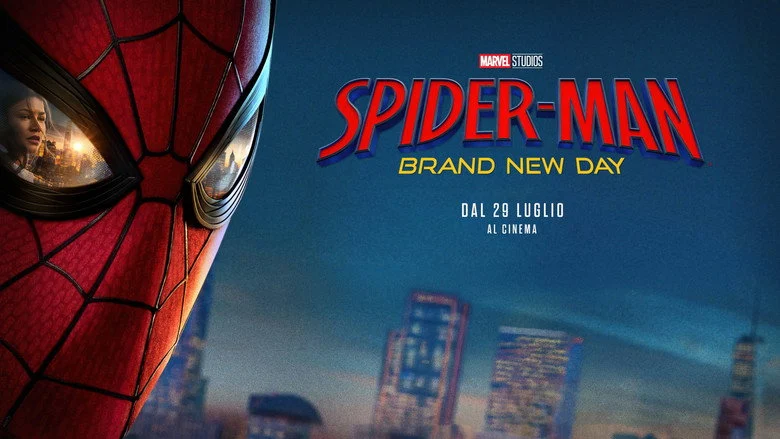
Tom Holland’s Lonely Spider-Man Carries the Premise
The trailer’s repeated image of Peter Parker fighting crime in a city that erased him from memory suggests Holland is operating in a quieter register than his quip-heavy past. His physical transformation, teased as a visible threat, demands a performance built on strain rather than charm.
The solitude of that premise gives Holland a rare dramatic anchor. Without the lift of supporting banter, his Spider-Man becomes a nervous body moving through empty alleys.
Destin Daniel Cretton Tightens the Scope
Cretton’s instinct for intimate pressure, seen earlier in his indie work, suits a film that swaps multiverse chaos for a street-level crime pattern. The decision to root the conflict in Peter’s own deteriorating body is a smart narrative economy.
Yet the screenplay, credited to McKenna and Sommers, leaves the central villain frustratingly abstract. A threat “no one can see” risks feeling like a placeholder until a later act reveal.
The Action Shifts from Spectacle to Suspense
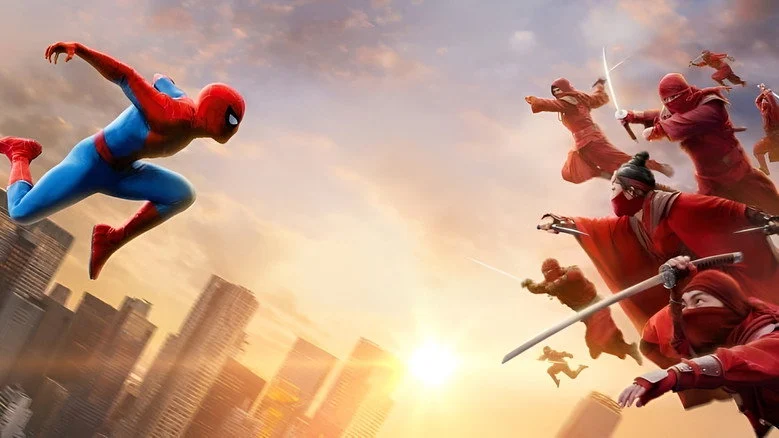
The solo crime-fighting setup forces a leaner action language. Without supporting heroes or crowds, each swing and punch must register as a personal decision, not a team beat. The trailer’s brief glimpses suggest Cretton is leaning into tight spatial geography, Spider-Man navigating fire escapes and subway tunnels rather than sky beams.
An unseen villain adds a different tension. The genre exercise becomes less about who throws the bigger punch and more about how Peter reads a city that hides its threat in plain sight. The strange crime pattern mentioned in the synopsis turns New York into a puzzle box.
Peter’s physical transformation, teased as a condition that threatens his existence, adds an internal ticking clock. The action then mirrors his biology: each movement costs him something. It’s a welcome rejection of the invulnerable hero trope.
Zendaya, Jon Bernthal, and the Cost of a Forgotten World
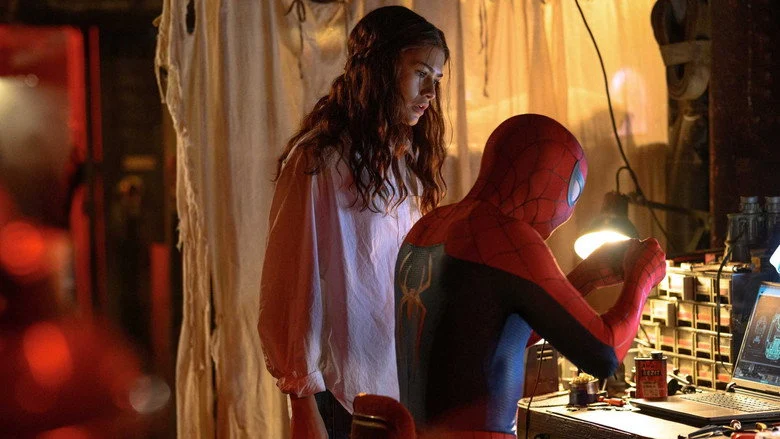
Zendaya is confirmed but absent from the trailer’s action, her MJ exists now as someone who does not remember Peter. That emotional distance may be the film’s most daring choice, turning a romantic lead into a stranger the hero must win back without the shortcut of shared history.
Jon Bernthal’s Punisher signals a darker corner of this grounded New York. His presence, even in a brief role, pushes the story’s moral line into vigilante territory. Mark Ruffalo’s Hulk, meanwhile, ties this isolation narrative back to the MCU’s larger system. The tension between those two registers, street-level grit and cosmic baggage, will define whether the ensemble feels cohesive or cluttered.
Jacob Batalon’s Ned is listed but, like MJ, is a blank slate. His absence from the marketing suggests the film is willing to strip Peter’s support system bare. That is a bold structural risk for a franchise built on friendship beats.
I find casting choices like these more telling than any released scene: this is a franchise banking on the weight of what’s missing.
Audience sentiment so far skews positive around the premise of a lonely, full-time Spider-Man and the return of street-level stakes. The inclusion of Bernthal, Ruffalo, and Michael Mando has generated particular excitement, even if their actual screen time remains unconfirmed. No substantial complaints have surfaced because no full reviews exist yet, the anticipation itself is the only data point.
Why a Delayed Release Might Not Matter
The film shifted from July 24 to July 31, 2026. For a franchise this large, a one-week push usually signals either extra polish or scheduling logistics, rarely panic.
If Cretton’s craft-focused approach delivers a leaner, more contained Spider-Man, that delay might buy the fine-tuning his intimate action setpieces need. The trailer’s controlled energy suggests a filmmaker who knows what he wants, not one scrambling.
For a defined recommendation: see it in IMAX or a premium large-format screen. Cretton’s action geography, alleys, subway tunnels, fire escapes, demands clarity and scale, not just loudness. The film’s craft hinges on space, and IMAX gives those spaces room to breathe.
Spider-Man: Brand New Day is not trying to top No Way Home’s multiverse fireworks, and that restraint alone earns it a solid 3.5 out of 5. The real test is whether Cretton’s smaller canvas can hold a complete emotional arc without a safety net.
For more on similarly focused storytelling, browse our English Action reviews.
The film’s loneliness echoes another recent exercise in isolated protagonist craft, check out the Karavali review review for a parallel in performance-dependent storytelling.
And for a different take on lead-driven narrative, read the Sathyavan Savithiri verdict piece.