There is a particular stillness to the moment retired officer Anthony spreads fading crime photographs across a dim table at JD Kere Estate, the 1990s case refusing to stay buried in the dust of memory. The cassette recordings, skeletal analysis reports, and autopsy material create a procedural texture that promises a mystery built on patient observation rather than gunfire. This is a psychological thriller that wants you to lean in, not brace yourself.

Anthony’s Quiet Authority Carries the Investigation
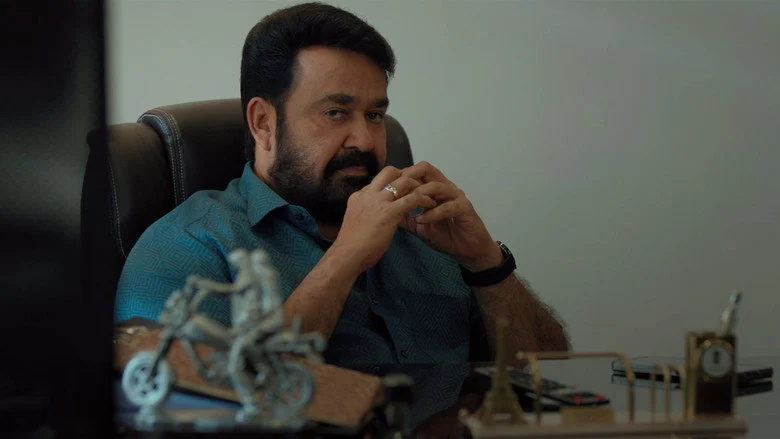
Vikram Ramaiah, who also produces, plays Anthony as a man who has traded intensity for vigilance. His performance is anchored in controlled investigative scenes, sustained suspicion, and gradual realization rather than confrontational outbursts.
He makes the act of examining old evidence feel like a moral obligation. The role demands observation over action, and Ramaiah delivers that register without forcing the emotional notes.
Director Vinod J. Raj Values Atmosphere Over Payoff
Vinod J. Raj maintains a consistent psychological-thriller tone, using the wooded estate setting to reinforce isolation and uncertainty. The 1990s backdrop is not decorative; it supports a slower, evidence-based mystery structure that feels refreshingly analog in an era of digital forensics.
But the screenplay’s weakness is structural. The narrative prioritizes atmosphere and trauma over a tightly plotted investigative payoff, and the second half reportedly slows as the film leans further into psychological disclosure.
The result is a film that earns its mood but struggles to convert that mood into narrative drive. I kept waiting for the threads to tighten into a knot, and they mostly just unraveled into more reflection.
The Genre Core: Evidence as a Character
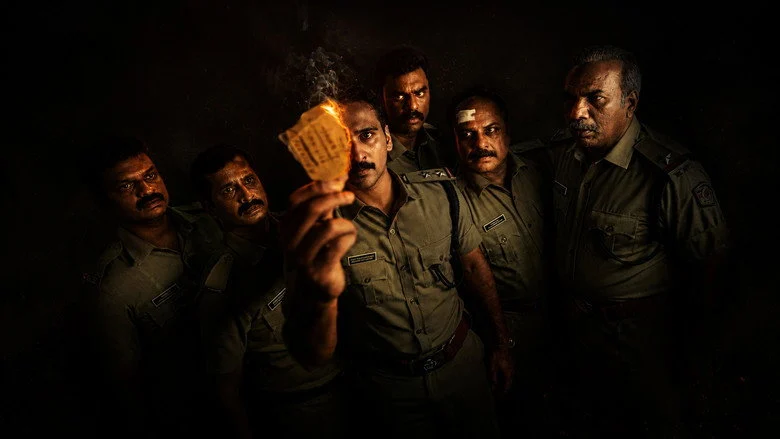
The clue trail is the film’s strongest element. Crime photographs, autopsy reports, skeletal analysis, and cassette recordings function as a kind of ensemble cast, each piece of evidence carrying weight that the human characters sometimes lack. The sequence where Anthony examines these archival materials is the most appreciated stretch in early responses, and it is easy to see why; the methodical tension is genuinely absorbing.
The reveal phase, however, does not match that buildup. The final truth at JD Kere Estate arrives as an emotionally charged disclosure tied to trauma and memory, but some viewers have found it less impactful than the investigation that precedes it. The antagonistic force here is not a named villain but hidden guilt, which is conceptually interesting and dramatically diffuse.
This is where the film’s identity splits. As a psychological study of buried memory, it works. As a suspense thriller with a conventional climax, it falters, and that tension between ambitions leaves the ending feeling quieter than the premise promises.
Supporting Cast Forms a Web, But Not a Net
Suchendra Prasad appears in an important role within the ensemble, functioning as part of the web of characters tied to the old case. His presence signals gravitas, though the limited coverage leaves his contribution underdeveloped.
Aishwarya Shetty, as Lekhana Sharma, and Pooja Gowda, as Kalpana, are listed among the key cast, but the sources provide thin detail on their specific moments. Suman Ranganath rounds out the network around the estate mystery. The casting suggests an intent to build a community of suspects and witnesses, yet the screenplay does not give these performers enough to sink their teeth into.
The spread across many characters may have made the story feel thin in places, a complaint echoed in audience feedback.
For more Kannada thriller coverage, browse related reviews on the site.
Audience Reception and the Pacing Problem
Social media sentiment is not reliably available, but the pattern from audience complaints is consistent: the pacing slows in parts of the middle and end. The estate-based mystery setting drew appreciation for its atmosphere, and the investigative detail involving physical evidence was noted as more serious than standard commercial thriller treatment.
Yet the second half’s uneven momentum undercuts the goodwill built by the setup. Viewers who wanted a stronger resolution after the buildup have voiced disappointment, and the film’s control across direction, cinematography, and editing does not fully compensate for the sagging rhythm.
There are no documented controversies attached to this release, which is notable for a thriller dealing with trauma and buried secrets.
Tadviruddha is best suited for fans of psychological thrillers who prefer investigation-led suspense over fast commercial pacing. If you need action-heavy treatment or light entertainment, look elsewhere. A regular theater or OTT viewing is more appropriate than IMAX, given the intimate, evidence-driven texture of the storytelling.
Watch it for Ramaiah’s restrained turn and the tactile pleasure of old case files, but temper expectations for the climax. The film builds a world of suspicion with real craft, then trusts that atmosphere alone can resolve what its plot leaves dangling. For a mystery that values mood so highly, the payoff should have been sharper, and that gap keeps this from being essential viewing.
Tadviruddha earns a 2.5 out of 5 for its evocative buildup and committed lead, but the uneven second half and underwhelming reveal make it a patient watch rather than a priority.
Compare this with Toxic review for another case of strong setup meeting shaky execution.
See how Hushar Pittalu verdict in a different genre altogether.