Ullas Chemban opens on a retro-lit room, a knot of friends, and the oldest lie in the crime playbook: easy money is one phone call away. What follows is a film that wants to be two things at once and never quite chooses.
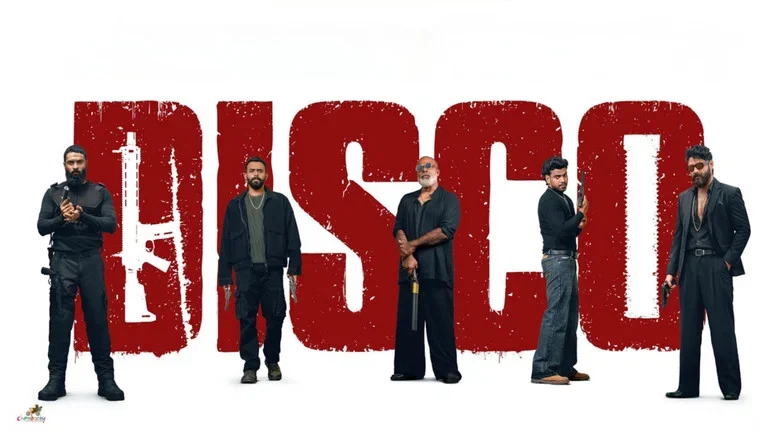
A Hustle That Opens With Swagger And Loses Its Nerve
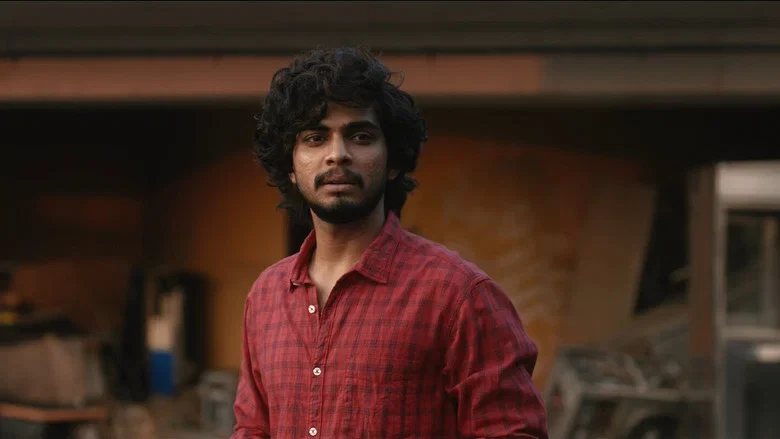
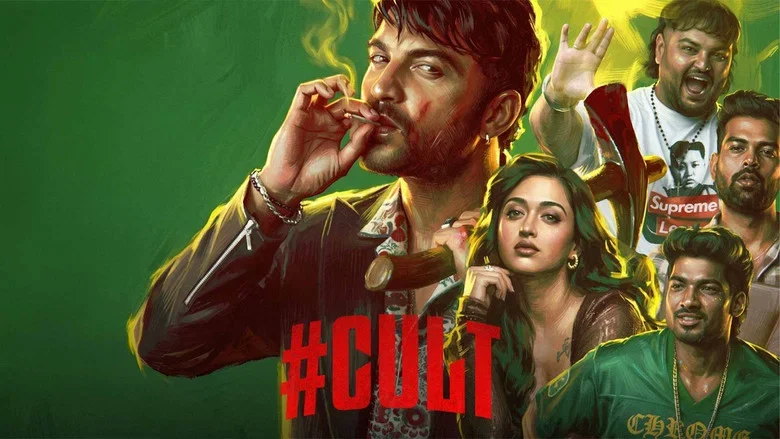
Antony Varghese plays Ousu, the gravitational center of a friend group drifting toward a quick score. The opening stretch leans hard on camaraderie, cigarette smoke, and the low hum of bad decisions forming.
Chemban’s staging keeps the camera close to the group, letting their banter carry the early momentum. It’s a deliberate choice, and for a while it works.
The tonal pivot arrives without warning, as the small-time scheme tilts into an underground mystery with revenge and betrayal at its core. That shift is where the film’s confidence starts to fray.
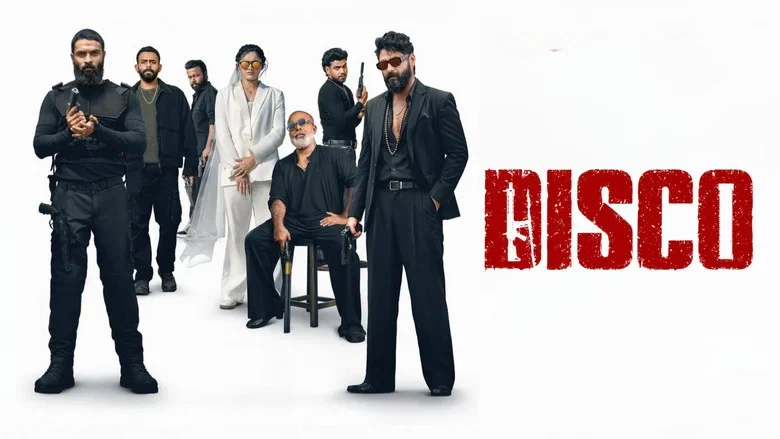
When The Comic Engine Stalls, The Thriller Never Fully Starts
The middle section wants to be both a lark and a descent, and the two registers pull against each other. Scenes that begin in laughter end in threat, but the transition is rarely earned in the writing.
Betrayal is introduced as the escalation mechanism, yet the betrayals land flat because the loyalties they break were never drawn with enough specificity. We’re told the group is tight; we rarely feel the cost of that tightness snapping.
Survival replaces profit as the objective, which is the right dramatic move. The problem is that the danger never acquires a face.
Antony Varghese Carries Weight The Script Won’t Give Him
Varghese has a physical stillness that reads as coiled patience, and he uses it here in the quiet beats between confrontations. Watch his hands in the group scenes, always finding something to hold, as if the character needs an anchor.
The performance recalls the raw, unpolished energy he brought to Kattalan, but with a layer of wariness added. He’s doing the work; the screenplay keeps handing him empty rooms to do it in.
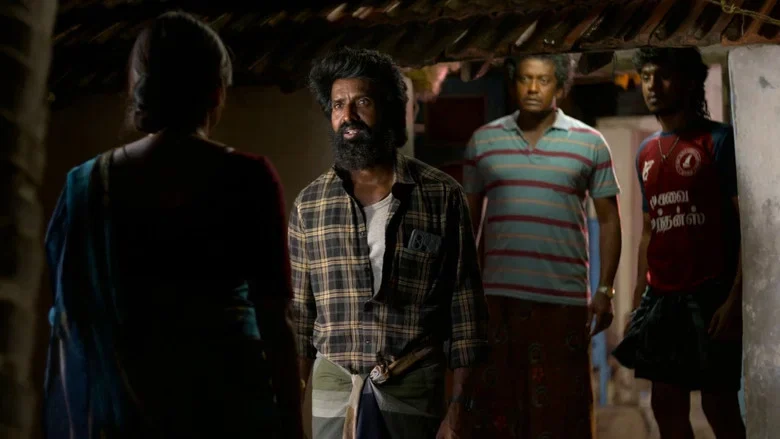
Arjun Ashokan and Lukman Avaran fill out the ensemble with real texture in the early going, their overlapping talk and physical ease selling the friendship. Once the plot takes over, they’re reduced to reacting.
Chemban Vinod Jose appears with the kind of weathered authority that suggests a backstory the film never bothers to excavate. His presence is a promise the narrative doesn’t keep.
A Retro Backdrop That Decorates Rather Than Defines
Armo’s cinematography leans into a buzzing, period-coded palette, all warm interiors and neon spill. It’s handsome, but the visual scheme stays on the surface, rarely pressing into the characters’ psychology.
Manikandan Ayyappa’s score does the heavy lifting in the tonal transitions, pushing harder than the images do to signal that things have gotten serious. That’s a crutch, and the film leans on it.
The comparison to the tighter spatial discipline of Scene is instructive. That film knew how to use a room to generate pressure; this one uses rooms as wallpaper.
The editing in the back half rushes through reversals that needed air, compressing what should be the film’s most tense passages into hurried exposition.
The Villain Problem Nobody Wants To Name
There is no antagonist here with a face, a motive, or a scene worth remembering. The underworld is a vague pressure, a plot device rather than a presence.
Without a human embodiment of the threat, the survival stakes stay abstract. The group runs from something the audience never gets close enough to fear.
This is the structural hole that a 158-minute runtime can’t fill. Length without a defined opposing force becomes drift, and the second half drifts hard.
The tonal ambitions here echo the uneven genre-blending of Titans, another recent Malayalam effort that reached for more registers than it could hold.
Chembosky’s Bet And The Star’s Box-Office Leverage
Chembosky Motion Pictures is staking real capital on Varghese’s draw, and the A certificate narrows the family audience that typically stabilizes Malayalam crime releases. The opening weekend will tell the story.
Varghese remains a genuine theatrical proposition, and the ensemble billing gives the film a fan-facing hook. But star power can’t sustain a thriller that never locates its threat.
The broader landscape of contemporary Malayalam thrillers is crowded with films that understand escalation better than this one does.
The franchise math here is simple and unforgiving: a 158-minute crime film needs a villain worth the runtime, and this one doesn’t have it.
A Verdict That Lingers On What Might Have Been
Disco has the bones of a sharp, mean little crime film and the ambition to be something larger. What it lacks is the discipline to choose.
The comedy works. The dread doesn’t. And the film never decides which one it trusts more.
What stays with you isn’t the climax, which arrives without the weight it should carry, but the early scenes of friends who don’t yet know they’re doomed. That’s the movie Chemban almost made.
The one he did make is a handsome, overlong shrug, and the difference between those two things is the whole story.