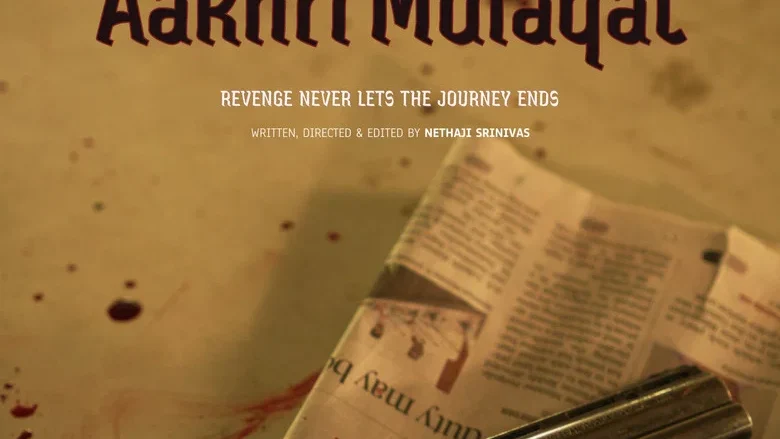
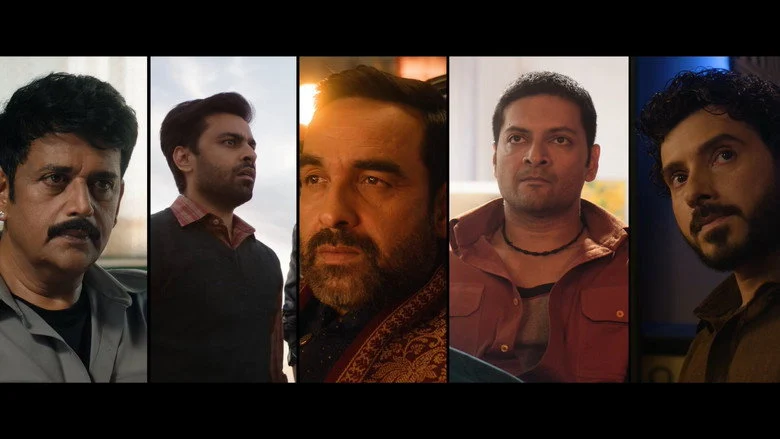
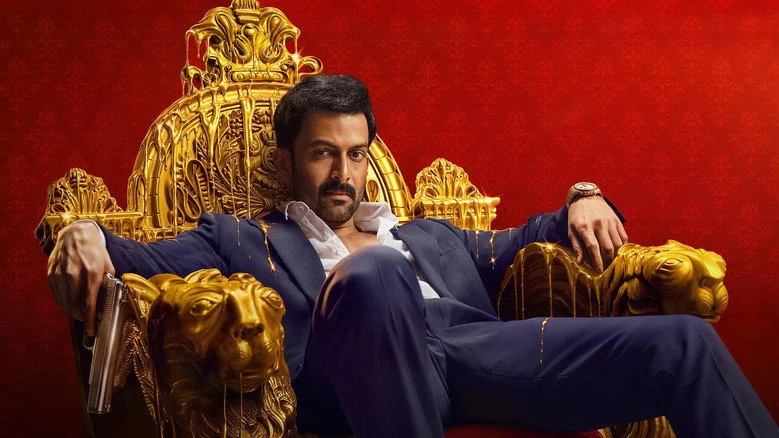
The premise arrives with a hook sharp enough to draw blood, a high-stakes game where every move carries consequences beyond the board. But somewhere between the setup and the payoff, the film loses its nerve, trading tension for convenience.
What begins as a taut psychological duel dissolves into a muddled exercise in style over substance, leaving audiences with a setup that promises more than it ever delivers.
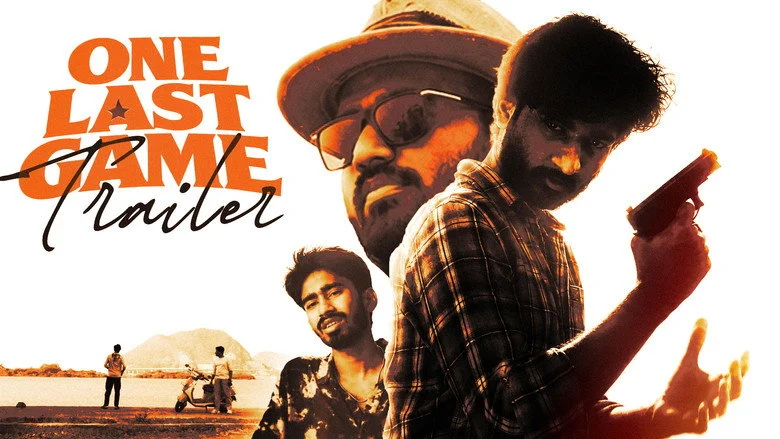
A Lead Performance Searching for a Character
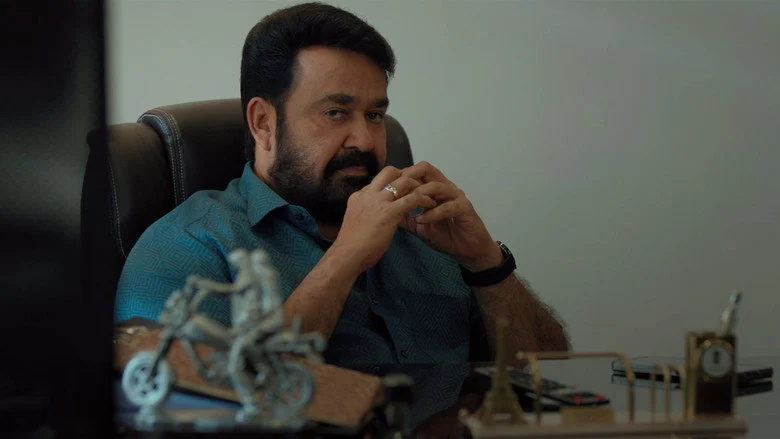
The central performance struggles against a script that refuses to commit to a single emotional register. There are flashes of genuine intensity, particularly in the quieter moments where the actor’s restraint suggests depths the screenplay never explores.
But without a defined arc or consistent motivation, the lead remains a collection of gestures rather than a fully realized person. The actor’s commitment is evident, yet it can’t compensate for a character written in broad strokes.
The Genre Mechanics: Where the Game Should Tighten
As a thriller, the film’s primary obligation is to sustain suspense through escalating stakes and believable obstacles. The opening sequences suggest an understanding of this, there’s a controlled dread in the early confrontations that hints at competence behind the camera.
However, the middle act abandons this discipline. Revelations arrive with the force of wet cardboard, and the supposed twists are telegraphed so far in advance that they land with a thud rather than a jolt. The pacing slackens precisely when it should tighten.
By the climax, the film has exhausted its goodwill. The resolution feels earned by convenience rather than logic, and the final reveal, meant to reframe everything, only exposes how little thought went into the connective tissue between scenes.
Supporting Cast: Wasted Potential in the Margins
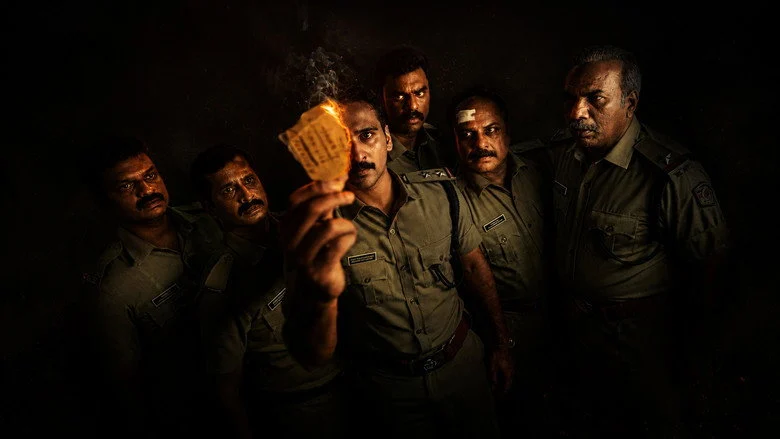
The supporting players are uniformly competent but given precious little to work with. One actor, in particular, brings a lived-in weariness to their role that momentarily elevates the material, suggesting a more interesting film lurking beneath the surface.
Another supporting turn veers dangerously close to caricature, undermining the grounded tone the film otherwise attempts. It’s a reminder that casting decisions matter less than the writing that supports them.
The Audience Question: Who Is This For?
The film’s identity crisis extends to its potential viewership. Hardcore thriller enthusiasts will find the mechanics too loose, while casual viewers may struggle to invest in characters who remain opaque throughout.
There’s a market for mid-budget genre exercises that prioritize atmosphere over logic, but this film doesn’t commit firmly enough to that lane either. It’s caught between ambition and execution, satisfying neither camp fully.
For those seeking a more satisfying genre experience, our Movierulzs movie reviews cover films that actually deliver on their promises.
The Verdict on a Game Half-Played
One Last Game is the kind of film that frustrates precisely because it shows flashes of what it could have been. The premise is sound, the lead is trying, and the direction occasionally hints at real skill, but none of it coheres into a satisfying whole.
If you’re starved for content in this space, you could do worse. But if you value your time, there are sharper, more disciplined thrillers waiting for you elsewhere. Watch it on streaming if you must, preferably with low expectations and a finger on the skip button.
One Last Game plays its hand poorly, earning a middling 2 out of 5 for its wasted potential and muddled execution.
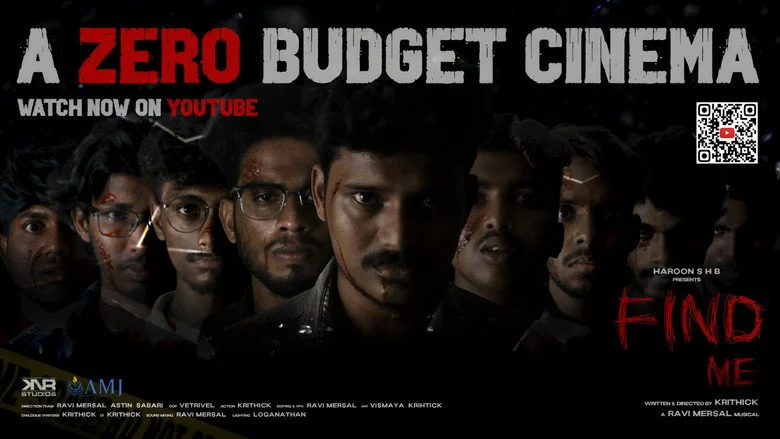
For a tighter thriller with a similar structure, check out Find Me review.
If you prefer your narratives with more dramatic weight, Nagabandham verdict offers a stronger character study.