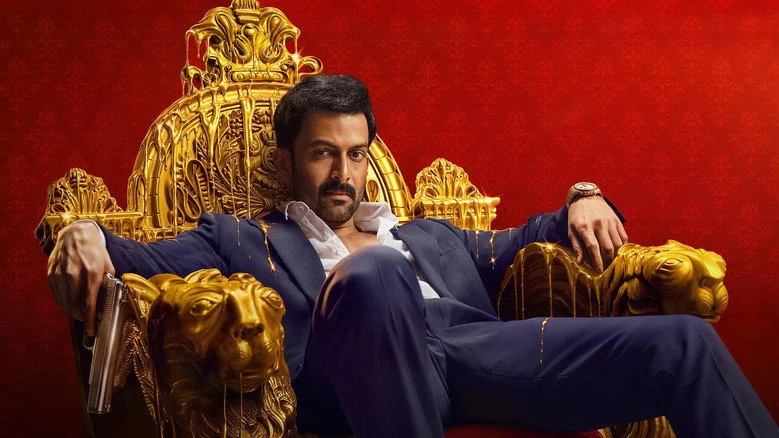
The case is reopened, and Georgekutty is once again standing in the crosshairs of a police force that refuses to let go. Mohanlal anchors this third chapter with the same restrained, coiled energy that made the original work, but now there’s a weariness beneath the calm that feels earned.
His performance is the film’s gravitational center. Watch how he moves through the reopening of the investigation thread involving IG Thomas Bastin, there’s no grand theatrics, just a man calculating every breath. It’s the kind of sustained internal tension that only an actor with Mohanlal’s command can sell without a single loud scene.
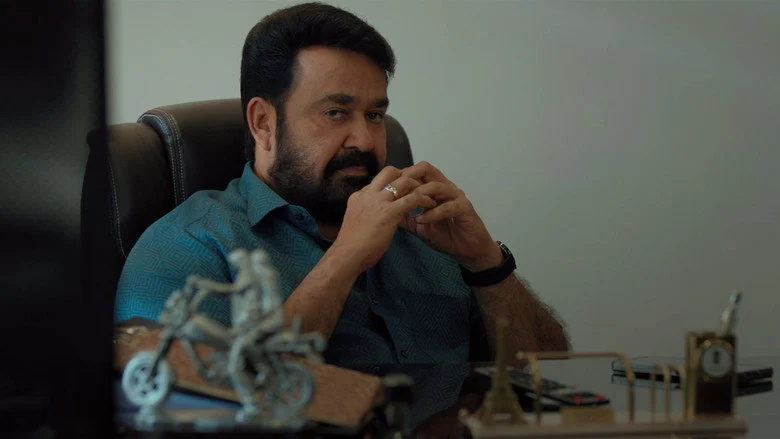
Jeethu Joseph’s Control Remains, But the Surprise Is Gone
Joseph knows this world better than anyone. His handling of procedural suspense, the slow drip of information, the family closing ranks, shows a director in complete command of his franchise’s rhythm. The opening-day reporting of a ₹15.85 crore net in India, per Sacnilk, confirms the audience’s hunger for this specific brand of tension.
Yet the screenplay’s flaw is structural: we’ve seen this dance before. The beats of concealment, the domestic pressure, the police circling the family, it’s all executed with polish, but the shock of the original is replaced by the comfort of familiarity. The Telugu dub needing one word muted is a minor footnote in a film that otherwise plays it safe.
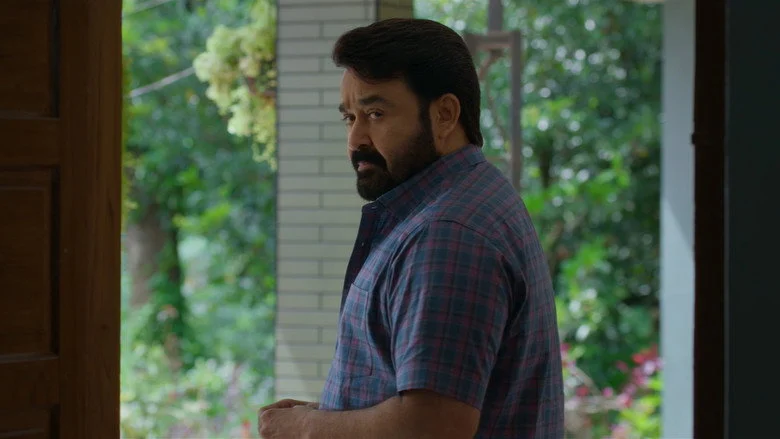
The Genre Machine: Thriller Mechanics in Three Movements
The core tension here is investigative pressure versus domestic concealment. There are no car chases or gunfights; the warfare is psychological, played out in quiet rooms and loaded silences. Georgekutty’s family, Rani, Anju, and Anu, form a protective circle that the police apparatus, embodied by Murali Gopy’s IG Thomas Bastin, tries to breach. The reopening of the old case gives the film its procedural spine, but the emotional stakes remain firmly in the living room.
Joseph’s direction of the investigation thread shows his signature patience. He lets scenes breathe, allowing the audience to feel every second of unease as the police inch closer to the truth. The film’s 159-minute runtime is a statement of intent: this is a thriller that wants to simmer, not explode. The zero-cut CBFC clearance in Malayalam suggests the final cut is exactly what Joseph intended.
What’s missing is a new trick. The first film had the rain-soaked burial, the second had the time-jump reveal. Here, the craft is solid but the innovation is absent. The family-protection tension works, but it works because of Mohanlal’s presence, not because of any fresh directorial gambit. It’s competent, controlled, and a little too comfortable.
For more like this, browse our Malayalam Thriller reviews.
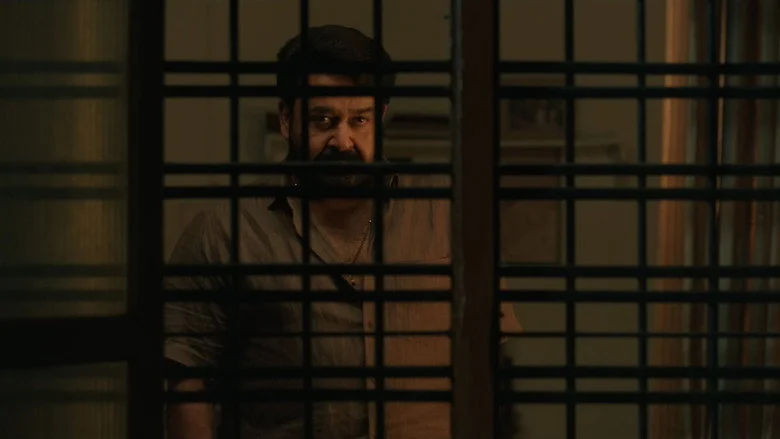
The Supporting Cast: A Family Under Siege, A Police Force in Pursuit
Meena’s Rani George is the quiet anchor of the domestic stakes, her performance carrying the weight of a mother who knows too much. She doesn’t get the flashy moments, but her presence in the family scenes is what makes Georgekutty’s protectiveness feel real. Ansiba Hassan and Esther Anil continue their roles with the ease of actors who’ve grown into these characters over a decade, their arcs tied directly to the consequences of the original case.
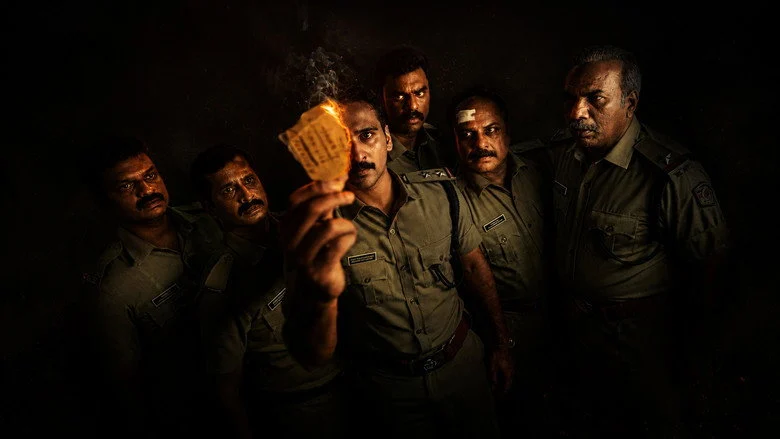
Murali Gopy’s IG Thomas Bastin is the new pressure point, a figure of institutional authority who represents the relentless machinery Georgekutty must outthink. Kalabhavan Shajohn’s Sahadevan returns as the franchise’s familiar source of friction, while Siddique’s Prabhakar and Asha Sharath’s Geetha keep the old wounds fresh. The casting signals a deliberate continuity, these are actors who understand the franchise’s moral complexity, and they deliver without overplaying their hands.
Audience Reception: The Franchise Faithful vs. The Skeptics
Trade coverage reports mixed reviews, but the opening-day worldwide gross of ₹50.34 crore, as reported by Aashirvad Cinemas, tells a story of its own. The audience that showed up wanted the comfort of a known pattern, and the film delivers that in spades. The production house’s figure contrasts with trade calculations of ₹43.37 crore, a gap that suggests some creative accounting, but the commercial appetite is undeniable.
There’s no political controversy here, the film’s conflict is purely domestic and institutional. The only censorship note is the muted swear word in the Telugu dub, which feels almost quaint in an era of theatrical excess. The real conversation around this film will be about whether a third helping of the same dish satisfies, or whether it leaves viewers wishing Joseph had taken a bigger swing.
The Verdict: A Familiar Comfort, Not a New Revelation
If you loved the first two films, you’ll find exactly what you expect here: Mohanlal at his most controlled, Joseph at his most procedural, and a family drama wrapped in a thriller’s skin. Watch it in a regular theatrical format, where the tension can breathe in a dark room with a crowd that knows the drill. It’s a solid, if unadventurous, return to a well-loved world.
Drishyam 3 is a competent franchise entry that never surprises, earning a 3 out of 5 for its craft and its star’s unwavering presence.
For another take on high-stakes family drama, consider Sattendru Maarudhu review.
And if you’re in the mood for a different kind of Malayalam entertainer, Athiradi verdict offers a messier, more energetic counterpoint.