The film opens with K. Bhagyaraj’s lead returning to his native village, tasked with selling his grandfather’s property to settle family debts. The weight of that financial burden is visible in his posture before a single supernatural event occurs.
Bhagyaraj carries the film’s moral center, playing a man who wants to escape inheritance while being pulled deeper into it. His presence gives the horror a grounded emotional register that younger actors might have flattened into pure reaction.
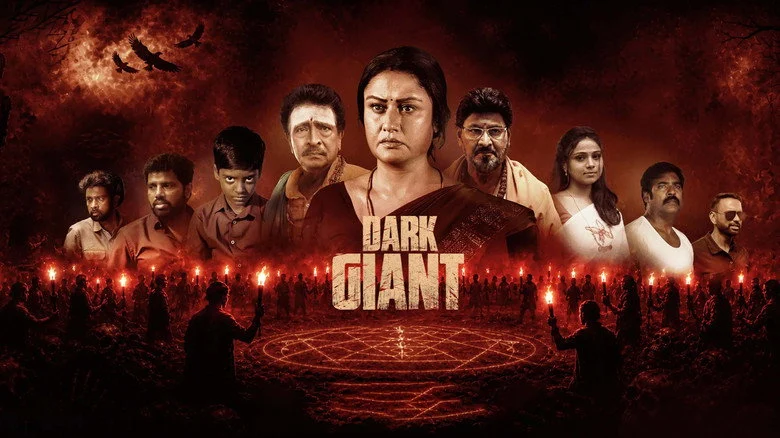
K. S. Kishaan Builds Fear From Guilt, Not Ghosts
Director K. S. Kishaan makes a smart structural choice by tying the curse to greed and generational trauma rather than external monster logic. The family home becomes a pressure cooker where unexplained disturbances mirror the worsening relationships inside.
The screenplay’s linear structure serves the narrative well, but the middle act risks monotony as the curse narrative and family conflict escalate in parallel. One wishes Kishaan had found more visual variety to distinguish the supernatural beats from the domestic arguments.
The Horror Works Best When It Stays Psychological
The most effective sequences are the early disturbances at the family home, where the threat feels ambiguous and the audience shares the family’s uncertainty. Kishaan understands that debt and guilt are scarier than any visible entity.
As the curse narrative takes over, the film shifts from atmospheric dread to explanatory exposition. The escalation works conceptually, but the execution leans on familiar Tamil horror tropes rather than inventing new ones.
The climax ties the supernatural threat to the family’s internal collapse, which is thematically coherent. Yet the resolution feels rushed, as if the emotional payoff needed one more scene to land properly.
Sonia Agarwal and Livingston Ground the Family Dynamic
Sonia Agarwal brings a weary resilience to her role, suggesting a woman who has seen the family’s fractures long before the ghost appeared. Her silent reactions during the escalating disturbances speak louder than any dialogue.
Livingston’s supporting presence adds credibility to the family setup, his veteran status lending weight to scenes that could otherwise feel generic. Madhan Kumar Dhakshinamoorthy and Jovita Livingston complete the ensemble with competent turns, even if the script gives them limited room to differentiate their characters.
The casting of established performers signals Kishaan’s intent to treat this as a family drama first and a horror film second. That decision pays off in the film’s emotional stakes, even when the scares feel derivative.
Audience Reception and the Horror-Drama Balance
With a UA16+ certificate and a 136-minute runtime, Dark Giant positions itself for viewers who want supernatural themes wrapped in psychological family conflict. The absence of verified critical consensus leaves room for interpretation, but the premise clearly targets Tamil horror fans who appreciate character-driven scares.
I suspect the film will divide audiences based on their tolerance for slow-burn family drama between horror beats. Those seeking constant scares may find the pacing deliberate, while viewers invested in the inheritance conflict will stay engaged.
For more Tamil horror and thriller coverage, browse our Tamil Thriller reviews.
The film’s greatest strength is its refusal to separate the supernatural from the psychological. The curse is the family’s guilt made manifest, and Kishaan never loses sight of that connection even when the horror mechanics feel familiar.
Dark Giant is a watch for patient viewers who appreciate horror that prioritizes emotional breakdown over jump scares. Skip it if you want your ghosts loud and your family drama quiet. The film earns a modest 2.5 out of 5 for its thematic ambition and committed performances, even as its execution stumbles in the middle act.
For a quieter exploration of loneliness and longing, Chinna Chinna review offers a different kind of emotional weight.
If you prefer your supernatural tales with a price on every wish, ட 11 verdict takes a more playful approach to consequence.