Five youngsters sit in a room, transfixed by a fantasy game that grants every wish the moment it’s spoken. The air crackles with possibility before reality itself begins to warp, and one of them vanishes without a trace.
Sritika J.’s directorial debut doesn’t waste time announcing its ambitions: a compact 1 hour 56 minute runtime, a U certificate, and a high-concept premise that promises consequences for desire.
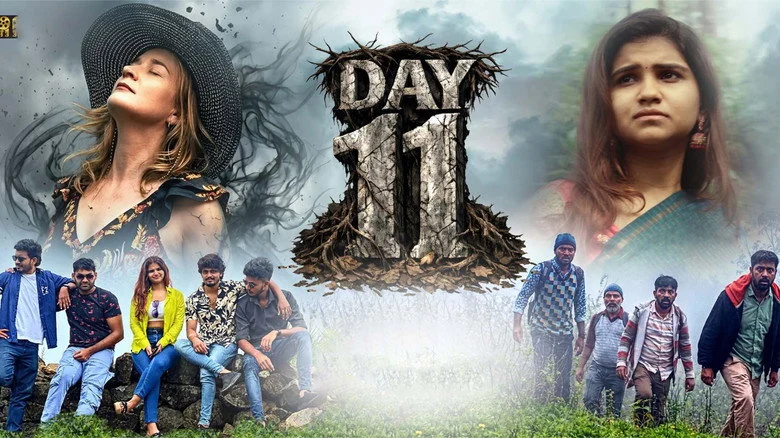
Maddy Manoj Anchors a Premise That Needs More Than Presence
Maddy Manoj carries the weight of the group’s collective guilt, though the research offers no scene-specific breakdown of his work. His casting suggests a deliberate choice for a lead who can project both youthful impulsiveness and dawning horror.
Swetha Abirami shares the burden as the other lead, though her character’s arc remains frustratingly vague in available materials. The film’s emotional stakes depend on these two grounding the fantasy, but without verified performance analysis, we’re left with a premise in search of a star turn.
The Wish-Granting Engine Drives a Tight Thriller Structure
The introduction of the fantasy game is the film’s sharpest opening move. It instantly establishes the appeal, wishes fulfilled without friction, while planting early seeds that reality is bending in uncomfortable directions. This is efficient genre storytelling: hook first, questions later.
When one girl disappears and is presumed dead, the thriller mechanics kick in properly. The remaining characters must re-enter the game to learn its hidden rules, transforming a playful concept into a suspenseful investigation. The scene where they return to uncover the game’s logic is where the film’s pacing tightens most effectively.
The revelation that every wish demands a sacrifice reframes the entire narrative as a moral trap. This twist, the most praised moment in available materials, elevates the film from simple wish-fulfillment fantasy into a darker meditation on cost. It’s a solid genre pivot, even if the execution details remain unverified.
Supporting Cast Signals a Larger Ensemble, But Details Stay Thin
K R Ravichandran, Aadharsh Madhikaandham, Thamizh, Abimanyu, A. Stanely Ajith, and R. M. round out the group of five, though no character-specific observations are available. Their collective presence suggests an ensemble-driven approach where the group dynamic matters more than individual star power.
The casting of relative unknowns in these roles signals a deliberate focus on the concept rather than marquee names. For a debut director, this is a confident choice, the premise must carry the film, not the casting sheet. Whether that gamble pays off artistically remains unclear without critic reviews.
Audience Reception and the High-Concept Gamble
With no verified critic ratings, IMDb scores, or BookMyShow audience numbers available, Day 11 enters theaters as something of a mystery box. The audience praise points that do exist, the instant wish fulfillment, the hidden cost twist, the missing girl setup, align with what genre fans would expect from a fantasy-thriller hybrid.
The target audience is clear: youth interested in fantasy-thriller premises, viewers who enjoy consequence-driven narratives, and those who prefer their entertainment compact. Viewers seeking realism or action-heavy commercial cinema are advised to look elsewhere, which is a reasonable positioning for a film of this scope.
I suspect this film will find its most receptive audience among those who appreciate genre experiments that don’t overstay their welcome, even if the execution details remain unverified.
For more Tamil-language genre experiments, browse our Tamil Thriller reviews.
What’s Missing: The Conversation Around the Film
The absence of critical discourse around Day 11 is itself notable. No plot-hole discussions, no technical breakdowns, no performance comparisons, this is a film entering the market without the usual pre-release buzz or post-release analysis.
The linear screenplay structure and front-loaded first half suggest a director confident in her hook. The second half’s shift into discovery, reversal, and sacrifice implies a tenser pace, but without verified feedback on tonal control or editing rhythm, we’re judging the blueprint rather than the building.
Should You Watch Day 11?
If you’re a fan of fantasy-thriller premises with a moral backbone, this is worth a look on a regular screen. The compact runtime respects your time, and the sacrifice mechanic gives the concept genuine weight.
But if you need verified critical consensus or word-of-mouth validation before committing, you may want to wait for the conversation to catch up with the release.
Day 11 is a promising high-concept debut that deserves attention for its premise alone, earning a reserved 2.5 out of 5 until the execution proves itself in the watching.
For a darker take on consequence-driven storytelling, see how Angam Attahasam review handles its own moral compromises.
And for a cautionary tale about concept versus execution, check out Transfer Trimurthulu verdict.