The cap arrives before we do, and it stays after we leave. Harshith Rangaswamy’s shoestring fantasy thriller asks what happens when luck becomes a physical object you can put on your head.
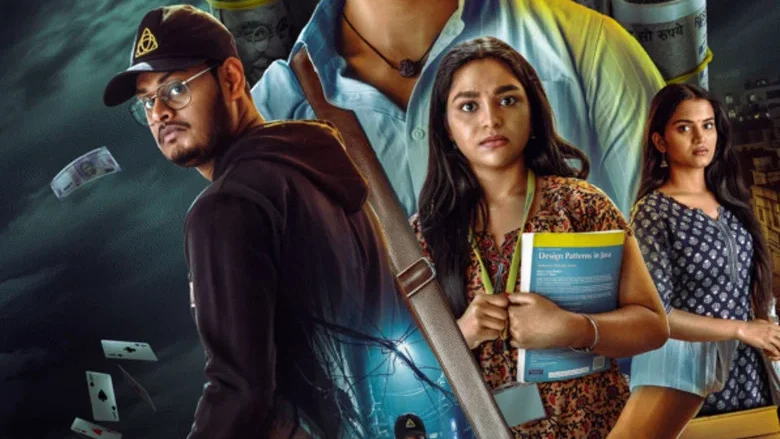
A Nickname That Fights Back: The Irony of Lakshman “Lucky”
Raam Tej enters the frame as an IT professional whose nickname has curdled into a running joke. The screenplay establishes his misfortune through the small humiliations of workplace routine rather than grand catastrophe.
It is a lean opening move. The film grounds its fantasy premise in the specific texture of Bengaluru cubicle life before the supernatural element ever appears.
That patience pays off. When the cap finally enters Lakshman’s life, we understand exactly what he is being offered, because we have watched him endure the alternative.
The Cap as Hero and Villain: A Device That Refuses to Stay a Prop
Rangaswamy has built his entire film around one economical object, and he knows it. The cap turns from wardrobe curiosity into the film’s engine of consequence within the first hour.
What makes the device work is its rule-based cruelty. Every stroke of fortune carries a hidden invoice, and the thriller structure emerges from Lakshman’s attempts to stay ahead of the bill.
The film resists the temptation to explain too much. Where a bigger production might have drowned the cap in mythology, this one lets the mystery breathe, and the restraint is the smartest thing in the screenplay.
Raam Tej’s Physical Transformation Carries the Fantasy
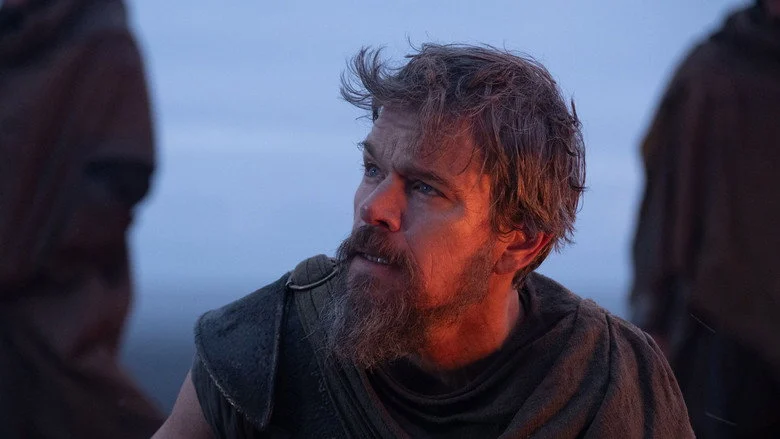
Watch Tej’s posture in the early scenes. The shoulders are drawn in, the eyes drop to the floor mid-conversation, and his voice stays in a register that apologizes for existing.
After the cap, the same body opens up. He stands taller, holds eye contact a beat too long, and starts making decisions that a cautious man would never make. It is a visible performance shift, not a narrated one.
The role demands that we believe both versions of Lakshman, and Tej sells the transition through micro-adjustments rather than grand gestures. The restrained physical exhaustion he brings to the later scenes recalls the psychological weight of his turn in KillR, though here the anxiety is aimed outward at the world rather than inward.
A Supporting Ensemble That Leaves Gaps
Rithi Shetty registers on screen with a warm, watchful presence, though the screenplay gives her little to do beyond reacting to Lakshman’s changing fortunes.
Srinidhi Bengaluru, a director-turned-actor, carries a key role with a stillness that suggests authority, but his function in the plot remains frustratingly opaque.
The royal-relatives problem surfaces here: several performers appear, register briefly, and vanish before we can attach a dramatic purpose to them. The film’s compression shows most clearly in this underpopulated middle ground.
Directional Economy: What 16 Days Buys and Costs
Rangaswamy shoots the film with a documentary plainness that suits its underdog origins. The camera stays close to faces, the lighting favors available sources, and the editing keeps scenes short.
That economy serves the first half beautifully. The mundane world feels lived-in, and the fantasy intrusion lands harder because it disrupts something real.
The second half strains against the same discipline. As the consequences of the cap escalate, the film needs a visual escalation it cannot quite afford, and the climax feels smaller than the premise promises.
Just as the filmmaker behind Manduka discovered, a high-concept device can carry a film only as far as the third act’s execution allows.
The Independent Gambit: What This Film Means for Kannada Genre Cinema
The production story is inseparable from the film itself. A former IT professional left his job to direct, and he cast a Bengaluru street vendor as his lead.
That origin gives the film an authenticity its fantasy premise could easily have squandered. The workplace scenes feel observed rather than researched, and Tej’s performance carries the residue of a life lived outside film sets.
The screenplay resists the kinetic sensationalism that overtook City Lights, opting instead for a deliberate, suffocating dread that suits its budget and its ambitions.
This patient approach signals a welcome tonal shift across contemporary Kannada thrillers, where high concepts are increasingly trusted to carry modest productions.
The Box-Office Ledger: A Gamble Without a Safety Net
The film arrives without the backing of a major studio banner, and the trade numbers reflect that absence. Opening-day figures were not available at the time of reporting, which is itself a signal about the film’s theatrical footprint.
For the producers, the math is unforgiving. A UA16+ certificate narrows the family audience, and the fantasy-thriller label asks viewers to take a chance on an unfamiliar lead.
The commercial sustainability of this model depends on word-of-mouth. If the film finds its audience, it validates a pipeline of small, high-concept Kannada productions. If it does not, it becomes another footnote in the regional exhibition squeeze.
The Uncomfortable Resolution: What the Cap Leaves Behind
The climax asks whether Lakshman can live with what the cap has cost him, and the film refuses to offer a clean answer. The final image lingers on the ambiguity rather than resolving it.
That choice is either the film’s greatest strength or its most frustrating evasion, depending on how much you trust Rangaswamy’s instincts.
What stays with you is not the supernatural mechanism but the ordinary man underneath it. Mr. Lucky is a film about the price of wanting an easier life, and it earns its final unease.