The village of Naivad keeps a ritual for summoning the dead, and a pack of YouTubers decides it makes excellent content. That collision, sacred practice versus ring-light performance, is the only genuinely provocative idea Bhaskar Bantupalli’s film has, and it burns out inside the first act.
A Hoax Ritual Is a Fine Premise Until the Film Stops Interrogating It
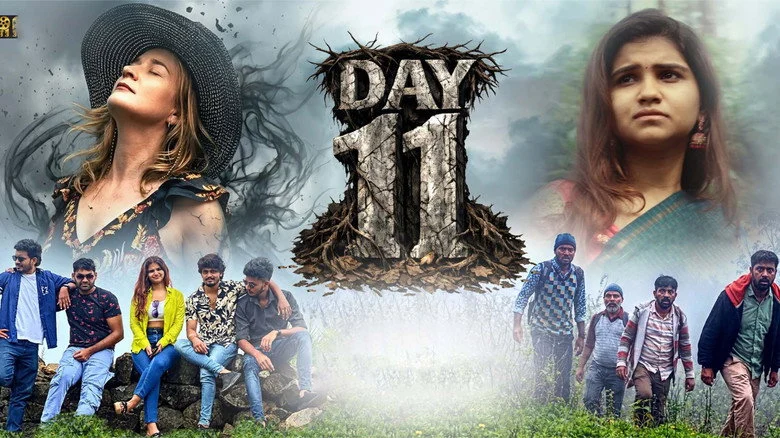
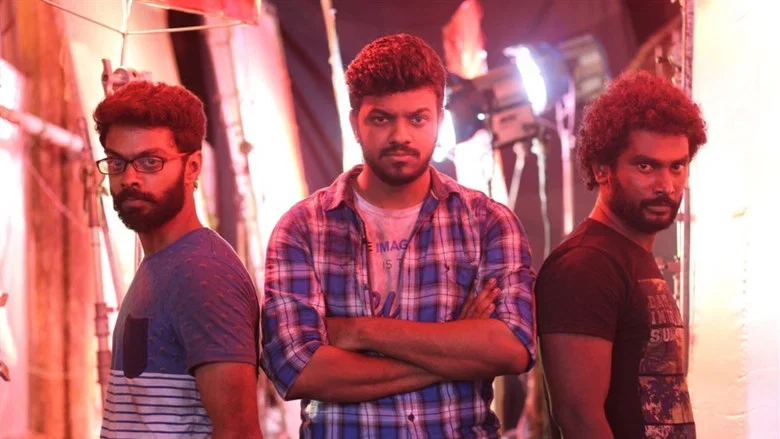
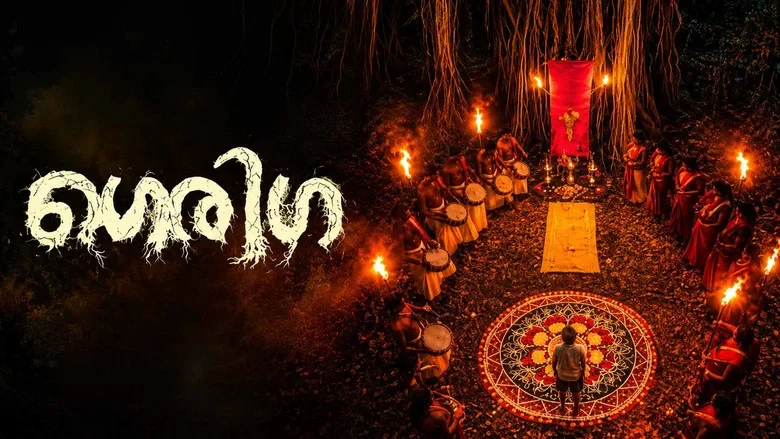
Geriga opens with real promise. Vijay and four friends descend on a remote Kerala village and stage the Geriga rite as a stunt, cameras rolling, thumbnails already imagined.
The screenplay treats this as setup rather than subject. It never lingers on the moral vulgarity of what they’re doing, the elders watching, the ritual defiled for engagement metrics, before the supernatural machinery kicks in.
That refusal to sit in discomfort is the film’s first structural mistake. Compare it to the tighter spatial discipline Rajamouli’s team demonstrated in Mr. Lucky, where the high-concept gamble is grounded before it’s escalated. Here the concept arrives pre-digested.
Possession Plus a Father’s Death Should Be Devastating, Not Convenient
Vijay becomes possessed, and almost immediately word arrives that his father has died. The film stacks these two catastrophes like a checklist.
Grief and demonic violation are natural bedfellows, one is a haunting of the living by the dead, the other its literalization. The script treats the bereavement as plot fuel for the twelve-day countdown rather than as the emotional engine it should be.
Once the deadline is set, the film becomes a procedural: complete the ritual, free the boy, survive. The friends shift from creators to crisis managers, and any satirical edge about viral culture evaporates entirely.
Rishan Sha Carries the Weight, but the Script Won’t Let Him Drown
Rishan Sha has the harder job here, and he’s the reason the middle stretch holds at all. Watch his posture in the possession beats, the shoulders settling wrong, the jaw going slack between lines, a stillness that reads as something else wearing his body.
What he isn’t given is space to play the grief. The film’s most potent image, a son possessed by a ritual and orphaned by the same week, never gets a sustained close-up, never a held silence.
The restrained exhaustion he’s reaching for recalls the psychological weight of his register in Manduka, where the deterioration was allowed to breathe.
The supporting ensemble, Neebha Bala among them, functions largely as reaction coverage. The four YouTubers are interchangeable panic vectors, distinguished by nothing but their proximity to the camera.
Bantupalli Builds Dread in the Sound Design and Loses It in the Cutting
Prashanth Kanchapalli pulls double duty as cinematographer and editor, and the split shows. The village exteriors are lit with an unglamorous, overcast flatness that suits the material.
But the possession sequences are cut too fast to register. A horror image needs a beat of stillness to land; here the camera flinches away from its own monster.
Jinu Vikayan’s score leans on low ritual percussion, effective in the ritual staging and overbearing in the countdown sequences where silence would have been crueler.
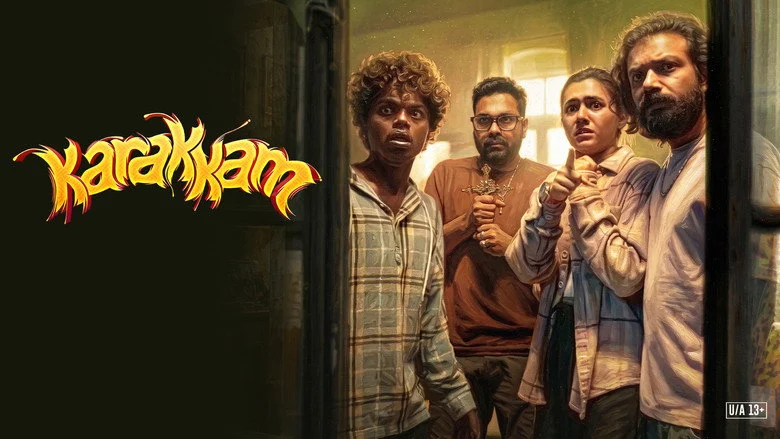
The film’s tonal instincts are closer to the atmospheric dread that Karakkam reached for, and, like that film, it mistakes a strong premise for a finished haunting.
Panorama-Backed Ritual Horror Is a Crowded Market, and This One Arrives Unarmed
The producing team, led by Venugopal Devi, is betting on the Malayalam possession-horror pipeline at a moment when that pipeline is saturated.
Regional ritual horror has become reliable theatrical business, modest budgets, strong opening weekends, quick OTT turnarounds. But reliability cuts both ways: audiences now arrive knowing the beats, and Geriga offers no deviation worth the ticket.
Rishan Sha’s box-office leverage is real but untested at the center of a genre vehicle. The film’s commercial fate will hinge on opening-weekend curiosity, not on word of mouth, because there is no word of mouth to generate.
The broader appetite for contemporary Malayalam horrors remains healthy; this entry simply doesn’t feed it.
The Countdown Ends, and So Does the Film’s Nerve
The twelve-day structure is the screenplay’s only real architecture, and it does generate forward motion. But a deadline is a mechanism, not a meaning.
What Geriga never answers is why the ritual was worth desecrating in the first place, what the YouTubers wanted that fame couldn’t give them, and what the village lost when its dead were summoned for clicks.
By the time the ritual completes, the film has swapped its sharpest question for a generic exorcism resolution. The dead go back where they belong, the boy is freed, and nobody has to reckon with the cameras still rolling.
That final evasion is the film’s truest horror. A movie about the cost of performing the sacred should end with someone paying it, and Geriga lets its characters walk out of the temple with their content intact.